Consumers who purchased beef between 2014 and 2019 now have a path to partial refunds through settlements involving Tyson Foods and Cargill. The agreements stem from allegations that major meatpackers widened their profit margins during a period when cattle ranchers received lower prices for their animals. The claim window lines up with years of documented tension between wholesale beef values and what producers were paid, a gap that federal regulators began publicly scrutinizing after a Kansas plant fire in 2019.
Widening Beef Margins and the Holcomb Plant Fire
The settlements trace back to a pricing pattern that drew federal attention well before the pandemic disrupted supply chains. In August 2019, a fire shut down a beef processing facility in Holcomb, Kansas, removing significant slaughter capacity from the market almost overnight. Agriculture Secretary Sonny Perdue responded by directing the Packers and Stockyards Division to investigate whether meatpackers were taking advantage of the disruption. In a statement released through a USDA press release, Perdue ordered an inquiry into “potential manipulation, collusion or unfair practices” in beef pricing. That investigation signaled Washington’s recognition that the spread between what packers charged retailers and what they paid ranchers had grown in ways that warranted scrutiny.
The Holcomb fire, however, did not create the margin gap on its own. The 2014-to-2019 claim window in the settlements suggests that the alleged conduct predated the fire by several years. During that stretch, cattle producers watched live animal prices decline while wholesale beef values held steady or climbed. The fire simply made the disparity impossible to ignore, concentrating public and regulatory attention on a handful of dominant processors that handle a large share of U.S. slaughter capacity.
USDA Data on Wholesale Costs Versus Cattle Prices
Federal data confirm the economic dynamics at the center of the litigation. Analysis from the Economic Research Service shows that wholesale beef costs rose even as cattle prices dropped during supply-chain disruptions. Choice beef cutout values peaked during spring 2020, illustrating how processors captured higher margins while ranchers absorbed lower returns. Although that spike occurred slightly outside the settlement window, it underscores the same basic pattern: packers were able to command higher prices for boxed beef at the same time that the value of live cattle was under pressure.
That divergence is central to the plaintiffs’ theory: that packers coordinated to suppress cattle purchases and inflate wholesale prices, extracting value from both ends of the supply chain. While the civil settlements do not amount to an admission of wrongdoing, they reflect the financial risk Tyson and Cargill faced if a court or jury agreed that their conduct violated antitrust or unfair competition laws.
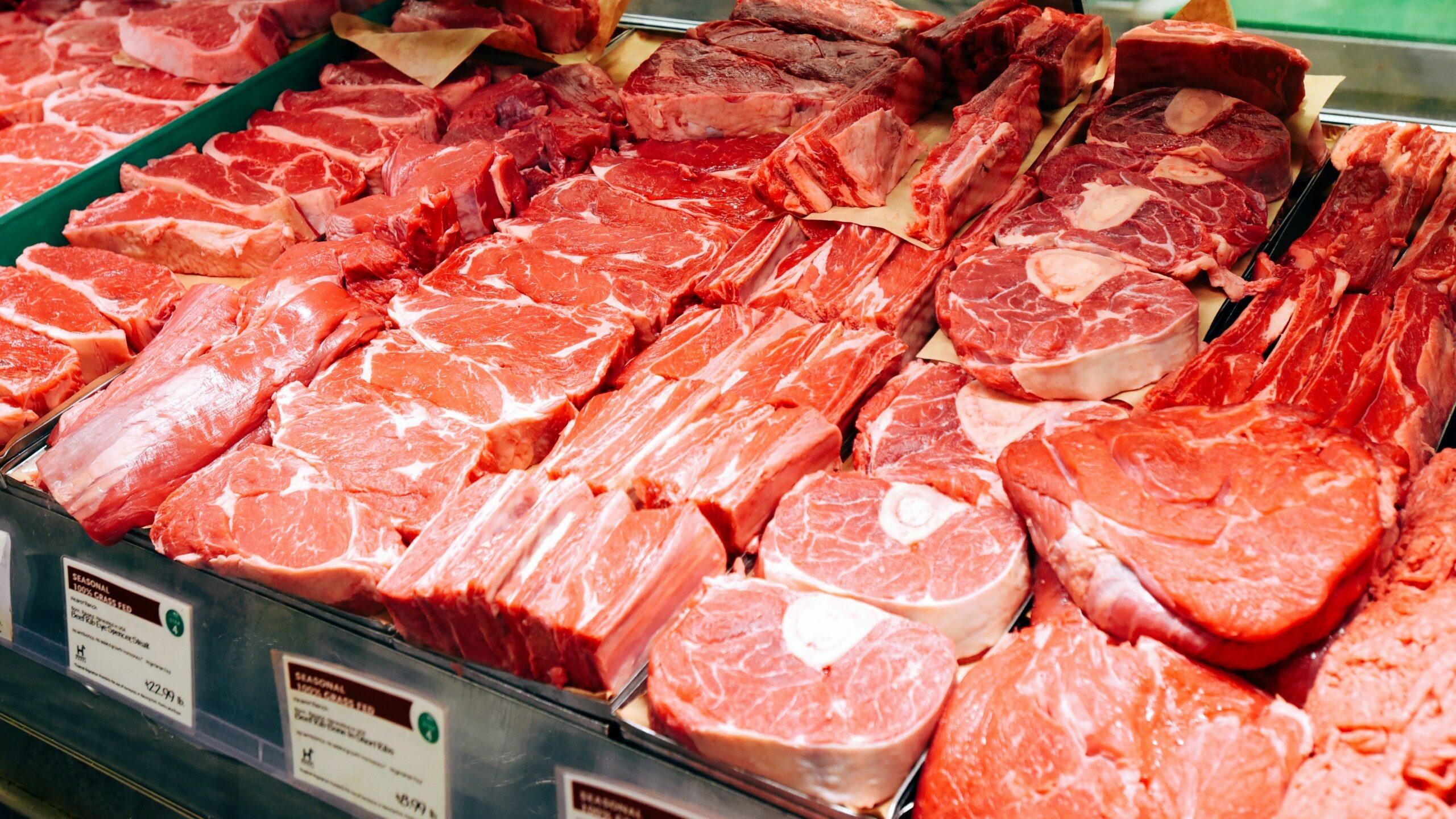
For grocery shoppers, the effect showed up at the meat counter. When wholesale cutout values climb, retailers typically pass those costs along. Consumers paid more for steaks, ground beef, and roasts during a period when the raw material, live cattle, was becoming cheaper. The settlements attempt to return some of that alleged overcharge to the people who absorbed it, though the precise relief for individual households will depend on how many valid claims are filed and how the funds are allocated.
Open Questions About the Settlement Claims Process
Several details about the claims process have not been confirmed through primary court filings or claims administrator documents available in the public record. The exact dollar amounts of the Tyson and Cargill settlements, the per-claim payout shoppers can expect, and the deadline for filing all remain unspecified in the sourcing reviewed here. Shoppers interested in filing should look for the official claims administrator website, which typically provides forms, eligibility rules, documentation requirements, and submission deadlines. Consumers should be cautious about third-party sites that are not clearly tied to the court-appointed administrator.
The scope of the underlying federal investigation also has limits. The directive issued after the Holcomb fire focused on potential misconduct surrounding a specific disruption in slaughter capacity. It did not automatically extend to every pricing decision across the 2014–2019 period. Moreover, the U.S. Department of Agriculture has authority over competition and trade practices in livestock markets, but it shares antitrust enforcement space with other agencies and the courts. That means civil settlements like those with Tyson and Cargill can move forward alongside, or independently from, any regulatory findings.
For ranchers, the settlements offer indirect validation that their concerns about pricing power were taken seriously, even if the payments are aimed at consumers rather than producers. For shoppers, the claims process is a chance to recover a small portion of what they may have overpaid for beef during the covered years. Yet the broader debate over concentration in meatpacking, transparency in cattle markets, and the balance of power between packers, producers, and retailers is likely to continue well beyond the closing of the claims window.