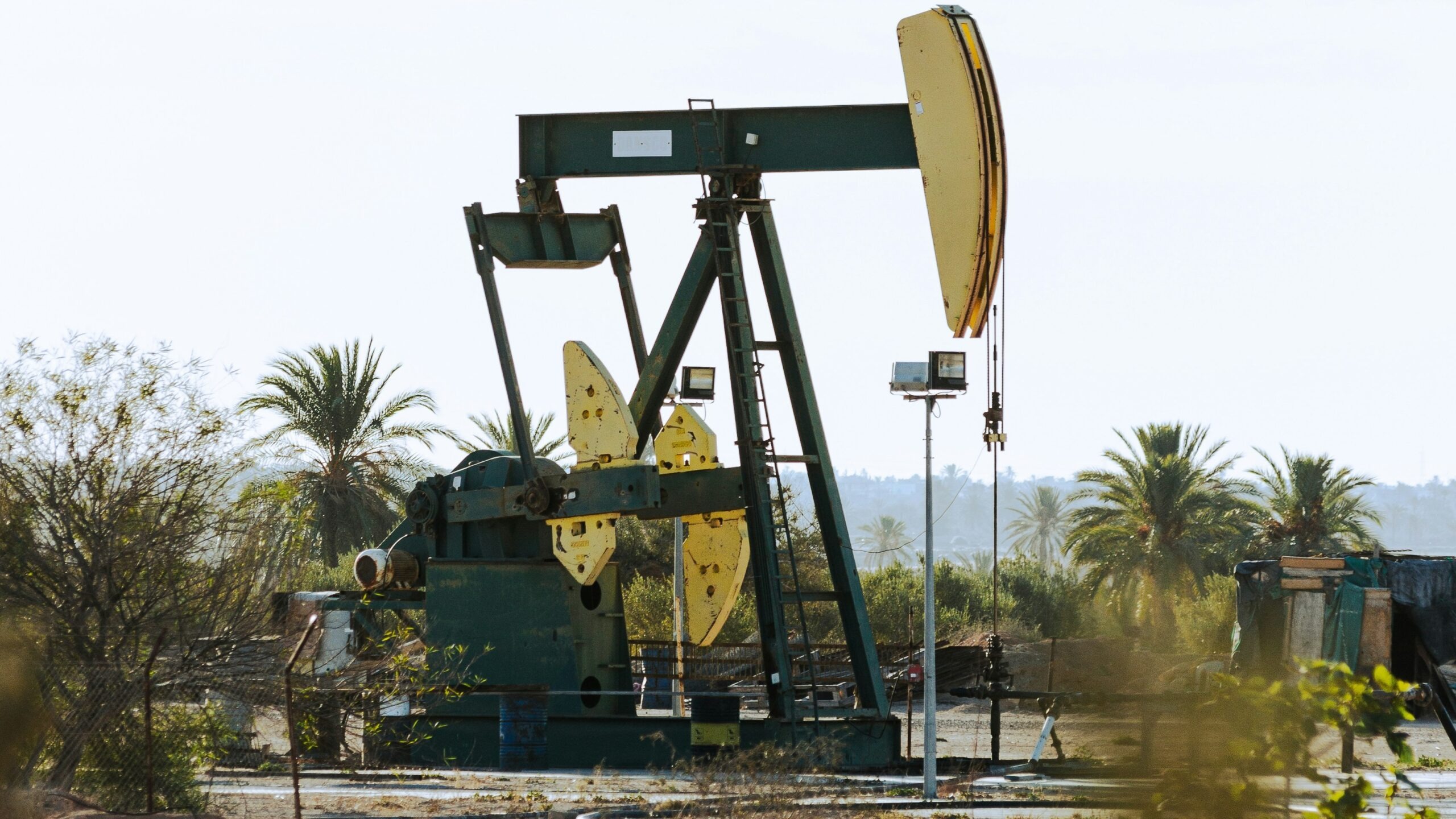
President Donald Trump declared the U.S.-Iran ceasefire “over,” triggering an oil price spike of more than 5 percent and dragging the Dow Jones Industrial Average down roughly 576 points at the close. The announcement, delivered in a White House video update on retaliatory strikes against Iran, sent traders scrambling to reprice risk across energy and equity markets. With Strategic Petroleum Reserve stocks sitting near historic lows and fresh attacks raising questions about shipping lanes, the selloff exposed how thin the buffer between geopolitical tension and consumer fuel costs has become.
Why the oil spike and Dow selloff hit at the worst time
The immediate trigger was Trump’s public declaration that the ceasefire was finished. That single statement collapsed weeks of fragile diplomatic restraint and forced energy traders to factor renewed military action into crude pricing. Oil prices rose sharply worldwide within hours, and global stock markets followed with broad declines. The Dow’s 576-point drop reflected not just the geopolitical shock but also the lack of clear policy tools available to soften the blow.
One way to measure that vulnerability is through the Strategic Petroleum Reserve. The Energy Information Administration reported SPR ending stocks at 319,489 thousand barrels for the week ending July 3, 2026. That figure, released the same day markets convulsed, offered little reassurance. At those levels, any emergency drawdown to calm prices would further deplete a reserve already well below its multi-decade average. The scale of the oil spike and equity selloff appears tied more closely to the physical reality of those stockpile levels than to any particular volume of White House messaging. Traders can absorb rhetoric, but they cannot trade barrels that do not exist.
Retaliatory strikes, tanker risk, and the data behind the selloff
Trump framed the military action as a response to attacks that threatened freedom of navigation in key waterways, according to his recorded remarks. New strikes in the conflict raised questions about what comes next, with no clear off-ramp visible in the diplomatic record. The combination of active hostilities and uncertain escalation timelines gave energy markets reason to price in sustained disruption rather than a short-lived spike.
Rystad Energy analyst Jorge Leon added a concrete dimension to the shipping concern, commenting on tanker traffic patterns and how risk perception among vessel operators was shifting amid the ceasefire uncertainty. Even modest rerouting of tankers around conflict zones adds transit time and cost, which feeds directly into delivered crude prices and, eventually, pump prices for American drivers. The EIA’s weekly petroleum status report, covering data through July 3, showed no intraday or post-strike inventory adjustment that might have signaled a government supply response was already underway.
Market participants were also processing broader tensions in the region. Reporting on earlier rounds of attacks and counterstrikes, including coverage of Iran-related clashes, had already primed traders to expect that any breakdown in restraint could escalate quickly. Against that backdrop, Trump’s characterization of the ceasefire as effectively void carried extra weight, reinforcing the perception that both military and economic risks were shifting higher in tandem.
Unanswered questions after the ceasefire collapse
Several critical gaps remain in the public record. No primary documentation beyond the White House video confirms the exact sequence or specific targets of the attacks that Trump cited as justification for ending the truce. Shipping operators and port authorities have not issued detailed public statements on tanker diversions or route changes, leaving analysts to rely heavily on secondary commentary and satellite tracking rather than comprehensive, on-the-record disclosures.
That lack of clarity extends to the diplomatic arena. While prior reporting on U.S. and Iranian maneuvering, including accounts of back-channel contacts, suggested that both sides had at times sought to avoid open conflict, Trump’s declaration raises doubts about whether any such channels remain viable. Without a visible framework for renewed talks, investors are left to infer intentions from sporadic statements and troop movements, a poor substitute for formal negotiations or documented agreements.
Energy economists note that this information vacuum can amplify volatility. When traders lack reliable guidance on how long hostilities might last or how extensive infrastructure damage could be, they tend to price in worst-case scenarios. That dynamic may help explain why the latest oil spike overshot some fundamental estimates based solely on disrupted volumes. In effect, uncertainty itself becomes a cost, embedded in futures curves and options premiums that ultimately filter down to consumers.
For now, the key variables remain unresolved: whether additional strikes will target energy infrastructure or shipping lanes, whether Washington will tap the already diminished SPR to blunt price shocks, and whether any credible diplomatic initiative will emerge to replace the collapsed ceasefire. Until those questions are answered with more than fragmentary statements and partial data, markets are likely to treat the current episode not as an isolated scare but as a new baseline for geopolitical risk in global energy supplies.