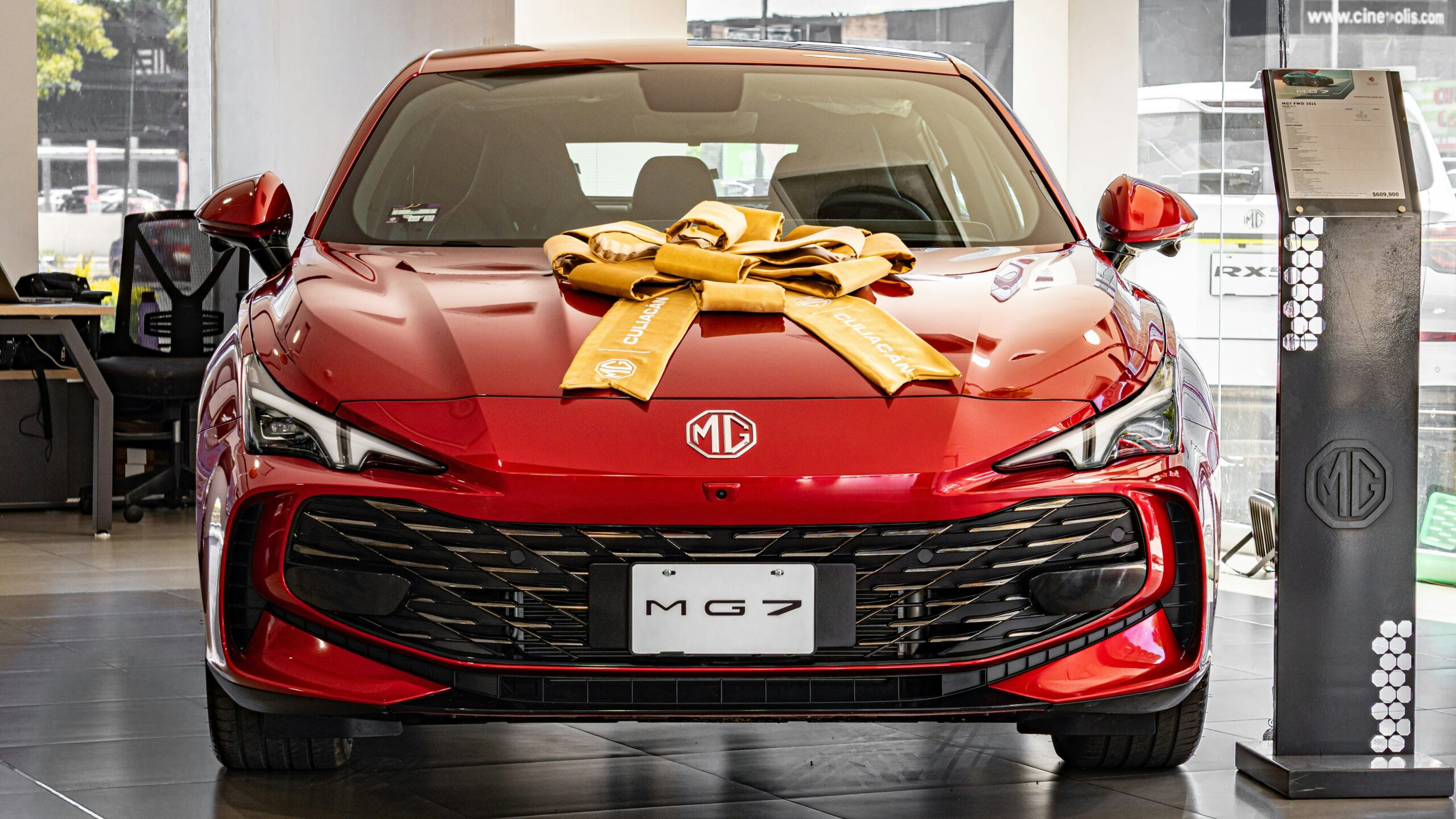
Buying a new vehicle has quietly become one of the largest financial commitments a household will make outside of a home, and the latest figures show just how far the bar has moved. The average price of a new car has pushed close to $50,000, and the monthly payment that comes with it now runs well past $700 for a typical buyer. For anyone shopping the lot this summer, sticker shock is no longer the exception — it is the baseline.
What makes the numbers striking is how steadily they have climbed. A new car is a necessity for millions of households with no realistic alternative, yet the cost of that necessity has risen faster than wages for much of the past year. The result is a purchase that increasingly strains budgets before the buyer ever leaves the dealership.
Prices near $50,000
The average transaction price for a new vehicle has reached roughly $49,220, according to industry data compiled by Kelley Blue Book, which attributes much of the recent jump to new tariffs on imported vehicles and parts. That analysis pegs the increase at about 10.4% over the past year and estimates the tariffs alone have added tens of billions of dollars in costs across the industry — expenses that flow through to the price on the window.
That price is an average, which means many popular trucks and SUVs sell for considerably more, while a shrinking number of entry-level models sell for less. The steady disappearance of low-cost cars from showrooms has pulled the whole average upward, leaving budget-minded shoppers with fewer genuinely affordable choices than they had a decade ago.
Payments past $700 a month
The price tag is only half of the equation. Because most buyers finance their purchase, the monthly payment reflects both the higher price and the cost of borrowing. The typical new-car payment has climbed to around $722 a month, a figure that would have been unthinkable for a mainstream vehicle a few years ago.
At that level, a car payment rivals or exceeds what many households spend on groceries or utilities. Independent market researchers at Edmunds have documented a growing share of buyers signing up for payments above $1,000 a month, a once-rare tier that has become a regular feature of the financing landscape. Stretching loans to six or seven years has helped keep monthly figures from rising even faster, but longer terms mean buyers stay in debt on a depreciating asset far longer than they once did.
Why cars keep getting pricier
Several forces have combined to push prices to this point. Tariffs on imported vehicles and components are the newest and most direct pressure, raising the landed cost of cars and the parts that go into domestically assembled ones. On top of that, automakers have leaned toward larger, more feature-laden trucks and SUVs that carry higher price tags and fatter margins than the compact sedans they have largely retired.
Technology adds to the bill as well. Advanced safety systems, larger touchscreens and electrified powertrains all raise the cost of building a vehicle, and those costs are passed along to buyers. Government price trackers have captured the cumulative effect: the new-vehicle category in the Bureau of Labor Statistics consumer price index has run well above its historical norm, reflecting an industry where the cheapest option keeps getting more expensive.
The squeeze on older and fixed-income buyers
For retirees and others on fixed incomes, a $722 monthly payment is a heavy and often inflexible commitment. Unlike a working household that might expect income to rise over the life of the loan, a fixed-income buyer locks in that payment against a budget that will not grow to meet it. A six-year loan taken at 68 stretches into the seventies, overlapping with years when medical and other costs tend to climb.
There is a longevity angle as well. A vehicle bought late in life may need to last through years of reduced driving and limited income, which raises the stakes on getting the purchase right. Overextending on a payment that eats into savings can crowd out the very reserves a retiree relies on for emergencies and health care.
Ways to blunt the cost
Buyers are not entirely without options, even in an expensive market. Shopping the total price rather than the monthly payment keeps dealers from disguising a high cost inside a longer loan. Making a larger down payment reduces both the amount financed and the interest paid over the life of the loan. And for many households, a well-maintained used vehicle or a slightly older model-year can deliver most of the utility at a meaningfully lower price.
Timing and patience matter too. Comparing offers across dealerships, securing financing from a bank or credit union before setting foot on the lot, and being willing to walk away all give a buyer leverage in a market that is otherwise tilted toward the seller. None of those tactics erase the underlying increase, but they can shave hundreds of dollars off the price and the monthly payment alike.
The broader takeaway is that the new-car market has reset to a higher level, and the figures — nearly $50,000 to buy and more than $700 a month to finance — are unlikely to retreat quickly while tariffs and a shift toward pricier vehicles remain in place. For households that need a car, the sensible response is to plan around those numbers rather than assume the old ones will return, and to treat the payment as the long-term budget item it has become.
This article was researched and drafted with AI assistance and reviewed before publication.
Free tool for readers: It’s free, takes about five minutes, and there’s no sign-up to see your result: get your free Retirement Safety Score — a 0–100 number plus a few personalized steps for making your money last.


