Taxpayers who turned 65 or older will see an extra $2,050 added to their standard deduction when they file federal returns for tax year 2026, a figure the IRS locked in through its latest round of inflation adjustments. The number comes from Rev. Proc. 2025-32, published alongside broader changes shaped by the One, Big, Beautiful Bill. For millions of seniors on fixed incomes, that adjustment translates into real dollars off their tax bill, but only if they know how to claim it.
How the $2,050 Senior Adjustment Changes the 2026 Filing Math
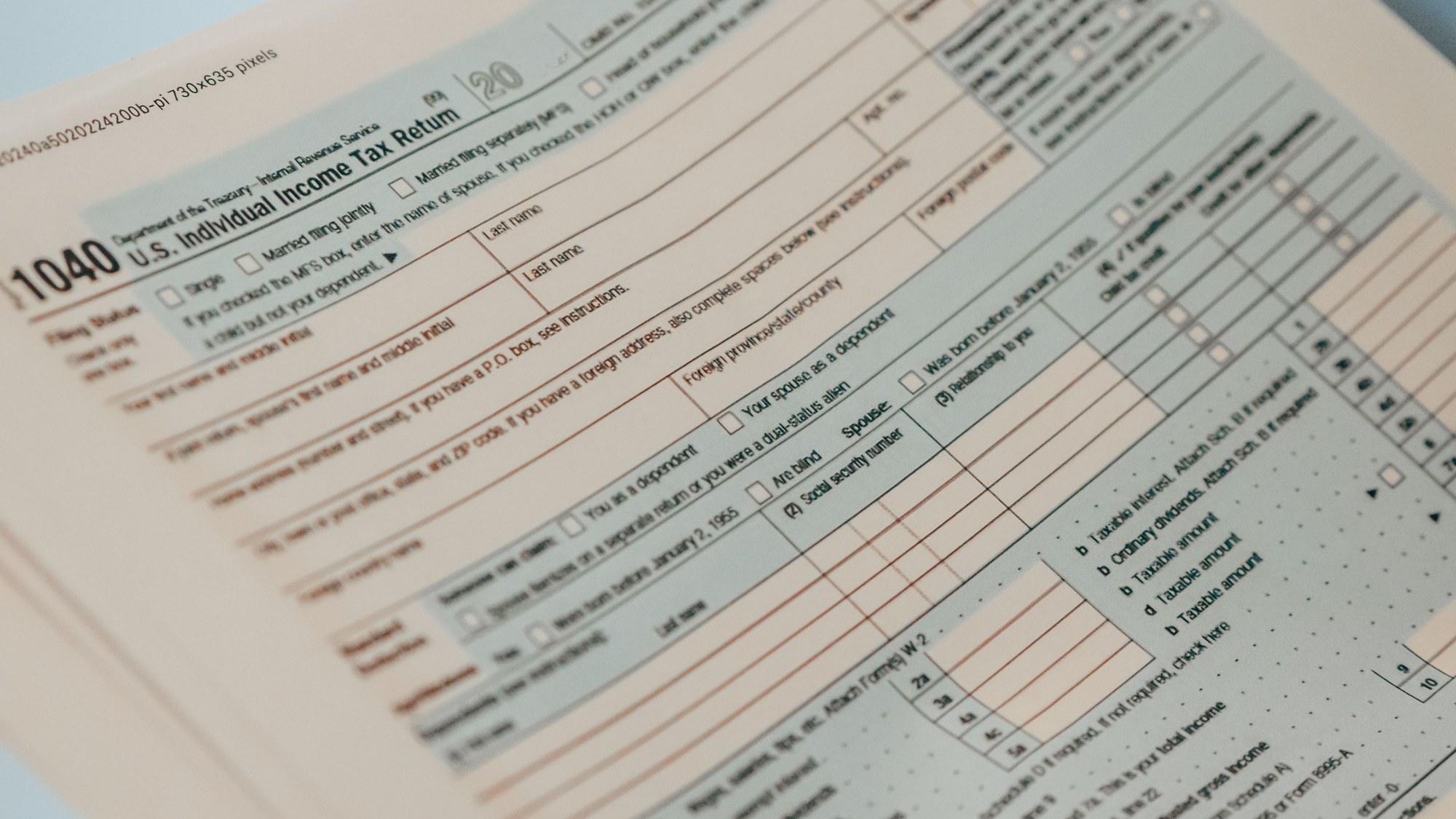
The IRS set the 2026 additional standard deduction at $2,050 for qualifying filers, a figure that sits on top of the regular standard deduction available to all taxpayers. Claiming it requires checking the age and blindness boxes on Form 1040, a step described in IRS guidance. Filers who are both 65 or older and blind can check both boxes and receive the additional amount twice.
This age-based add-on is not new law. It has existed for decades as part of the tax code’s standard deduction structure. What changed is the specific dollar amount, which the IRS recalculates each year using statutory inflation formulas. The 2026 figure was finalized in the agency’s announcement of inflation adjustments for tax year 2026, which implements the indexing rules as amended by the One, Big, Beautiful Bill. Those detailed tables appear in Rev. Proc. 2025-32, archived in Internal Revenue Bulletin 2025-45.
The practical question for seniors is whether the standard deduction, now boosted by $2,050, exceeds their total itemizable expenses. If it does, they save more by taking the standard route. Many older filers still itemize out of habit, even when doing so costs them money. The checkbox mechanism is simple, but it goes unused when filers or their preparers fail to account for the age-based bump.
For example, consider a single filer who is 67, not blind, and has $11,000 in deductible expenses such as mortgage interest and charitable gifts. If the regular standard deduction for that filing status in 2026 is higher than $11,000, the taxpayer would already be better off taking the standard deduction. Adding the $2,050 age-based amount widens that gap further, increasing the potential tax savings from choosing the standard deduction instead of itemizing.
A Separate Senior Deduction Under Public Law 119-21 Adds Complexity
The 2026 filing season carries an added wrinkle: a newer senior deduction created by Public Law 119-21, the legislation commonly known as the One, Big, Beautiful Bill. A Congressional Research Service brief distinguishes this provision from the longstanding age-based additional standard deduction. The two are separate line items in the tax code, and the IRS has framed the newer provision as operating “in addition to the standard deduction for seniors available under existing law.”
That distinction matters because filers who confuse the two could leave money on the table or miscalculate their returns. The $2,050 figure applies under the pre-existing rules, not the newer statute. The newer senior deduction under Public Law 119-21 is calculated using its own formula and thresholds, which may depend on filing status, income level, or sources of retirement income. Seniors preparing their own returns or working with tax software need to confirm that both provisions are reflected accurately and that each is entered on the correct line of the return.
The IRS updates the instructions and worksheets that accompany Form 1040 to reflect such changes, including where to report the traditional age-based addition and where to claim any new senior-specific deduction created by statute. Those instructions typically walk taxpayers through a step-by-step worksheet that asks about age, blindness, filing status, and other factors before directing them to the correct line for the final amount.
State-level effects add another layer. Seniors in states whose income tax codes automatically conform to the federal standard deduction stand to capture the full benefit of the $2,050 increase without any additional state-level action. In nonconforming states, lawmakers may decide whether to adopt the new federal amounts, maintain their own separate standard deduction, or create targeted senior relief that diverges from federal rules. That means two neighbors with identical federal tax situations could see different outcomes on their state returns depending on how their state legislature responds to the federal changes.
Practical Steps for Seniors Ahead of the 2026 Season
Financial planners and tax professionals say the key for older taxpayers is preparation well before filing season opens. Seniors should gather records of medical expenses, property taxes, mortgage interest, and charitable contributions to compare potential itemized totals with the standard deduction plus the $2,050 age-based increase. Running that comparison in late 2025 or early 2026 can help retirees decide whether to bunch deductions, adjust charitable giving timing, or change withholding and estimated tax payments.
Those who rely on commercial tax software should verify that the program has been updated for both the inflation-adjusted standard deduction and the new senior provision under Public Law 119-21. For seniors who file on paper, carefully following the latest Form 1040 instructions will be critical to avoid missing the extra deduction amounts. And for anyone uncertain about how the overlapping rules apply, consulting a qualified tax professional can ensure they capture the full benefit of the $2,050 adjustment and any additional senior relief now embedded in the code.
Free tool for readers: You check your blood pressure — when did you last check your retirement? You can get your free Retirement Safety Score in about five minutes, with no sign-up to see it.