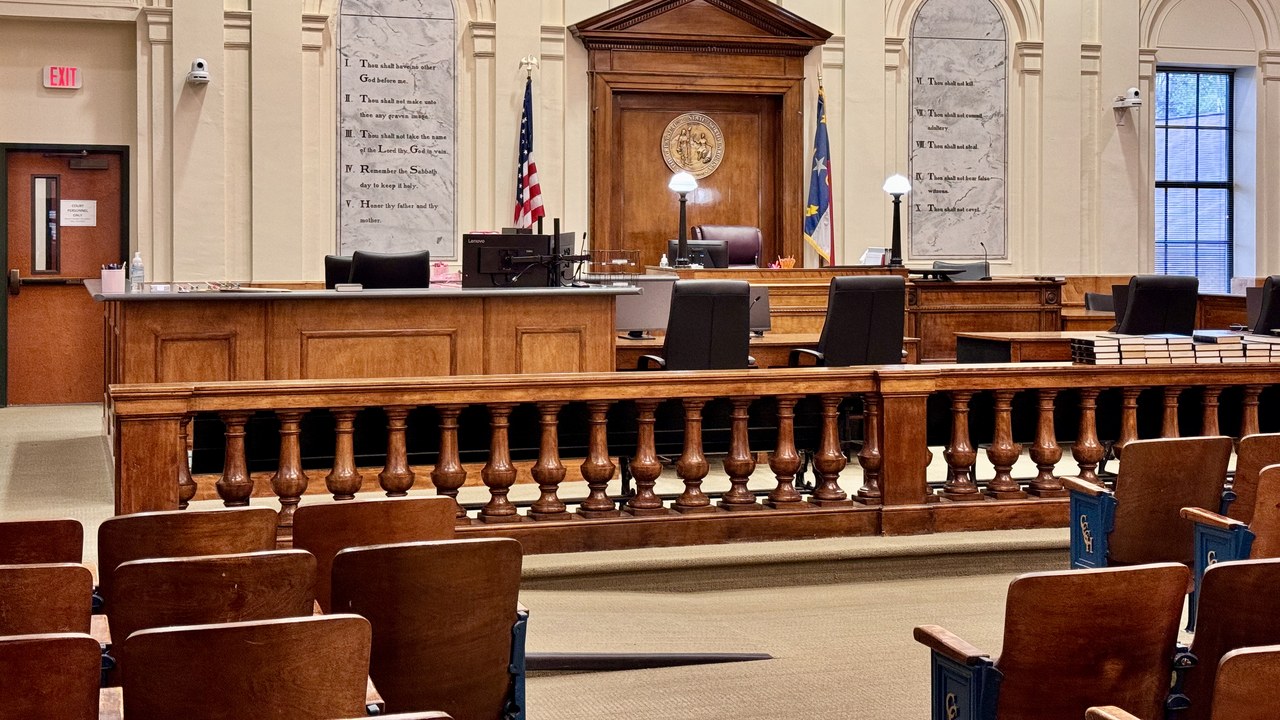
Neil Suresh Chandran will spend the next 136 months in federal prison after a judge sentenced him and co-defendant Bryan Lee on the same day for running a fraud operation that stole tens of millions of dollars from thousands of investors between 2018 and 2022. Lee received 36 months. The two men used shell companies, nominee ownership structures, and a network of promoters to keep the scheme running for years before federal prosecutors caught up with them. According to a Justice Department release describing how the two men defrauded thousands of people, their sentences reflect both the scale of the losses and their different roles inside the scheme.
Why the CoinDeal sentencing carries weight beyond two defendants
The gap between the two sentences tells a story about how the scheme worked. Chandran operated the ViRSE umbrella companies at the center of the fraud, while Lee served as a nominee owner and signatory for ViMarket, a conduit entity that helped move money through the operation. That layered structure, with Chandran directing and Lee fronting, made the fraud harder to trace and helped it survive longer than a single-person operation of similar size typically would. A federal grand jury returned the indictment on June 14, 2022, and it was unsealed on June 29, 2022, roughly four years after the scheme began. That timeline suggests the nominee structure bought real time.
The court ordered restitution of $21,737,227.38 on a joint-and-several basis, meaning victims can collect from either defendant. But the full scope of losses ran higher. The original indictment alleged over $45 million in fraud affecting more than 10,000 victims. A third participant, Michael Glaspie, pleaded guilty to a $55 million version of the investment fraud scheme. Glaspie allegedly pocketed nearly $2.5 million personally and used false promises of repayment with 7% interest to keep investors on the hook.
How shell entities and promoters kept the fraud alive
The charging documents paint a picture of deliberate compartmentalization. Chandran and Lee faced counts of conspiracy, mail fraud, wire fraud, and monetary transactions in unlawful proceeds under case number 4:22-CR-03077 in the District of Nebraska. Glaspie was charged separately under docket 4:23-CR-3010. The SEC also filed its own action, charging Illinois and New Jersey promoters who marketed the CoinDeal investment to retail buyers. That complaint, described in an SEC litigation release, was filed in the Northern District of Illinois and focuses on securities law violations tied to the same underlying fundraising pitch.
Each layer served a purpose. Chandran controlled the money and the corporate entities. Lee lent his name to ViMarket so Chandran could stay in the background. Downstream promoters recruited investors with claims about imminent technology acquisitions and guaranteed returns. The promoters gave the scheme geographic reach and a veneer of legitimacy that a single operator could not have achieved alone. For individual investors, many of whom were promised modest but steady 7% returns, the multi-layered structure made it nearly impossible to see who was actually handling their money.
The structure also complicated oversight. Banks saw transfers from apparently unrelated entities rather than a single suspicious hub. Promoters could tell investors they were simply passing along information from a separate technology company, distancing themselves from responsibility if the deal soured. Each new LLC or trade name gave the appearance of growth and diversification, even as all paths led back to the same small group of insiders.
Unanswered questions after the sentencing
The $21,737,227.38 restitution order is a number on paper. Whether victims will recover meaningful amounts depends on what assets federal authorities can actually seize and liquidate from Chandran, Lee, and related entities. In many large fraud cases, the money has already been spent, moved offshore, or converted into hard-to-trace assets by the time criminal judgments are entered. Joint-and-several liability gives victims the right to pursue either defendant for the full amount, but it does not create funds that no longer exist.
There are also open questions about how far the web of responsibility truly extends. The SEC’s civil case against regional promoters underscores that the criminal defendants did not work alone, yet not every promoter faces criminal exposure. Some may have been misled themselves; others may have ignored red flags in favor of commissions. Sorting those categories matters both for accountability and for investors who might consider civil suits against additional parties with deeper pockets than the convicted fraudsters.
Another unresolved issue is how regulators and platforms will adapt to similar offerings in the future. The CoinDeal pitch blended buzzwords about cutting-edge technology with familiar promises of above-market returns and near-term liquidity. That combination has proven durable across multiple eras of fraud, from boiler-room stock scams to digital-asset offerings. The use of layered entities, nominee officers, and informal promoter networks is likewise not unique to this case.
For now, the sentences for Chandran and Lee mark a clear endpoint to the federal prosecution but only a partial closure for victims. Restitution orders, SEC enforcement actions, and potential asset recovery efforts will play out over years. The case’s lasting impact may lie less in the prison terms and more in the lessons it offers about how relatively simple tools-shell companies, borrowed names, and persuasive middlemen-can turn a speculative pitch into a nationwide fraud before authorities intervene.
Free for readers: The free Retirement Shield newsletter sends plain-English help keeping more of your money in retirement — the scams to dodge, the benefits you’re owed, and what’s changing with Social Security and Medicare, a couple times a week. Get the free newsletter.