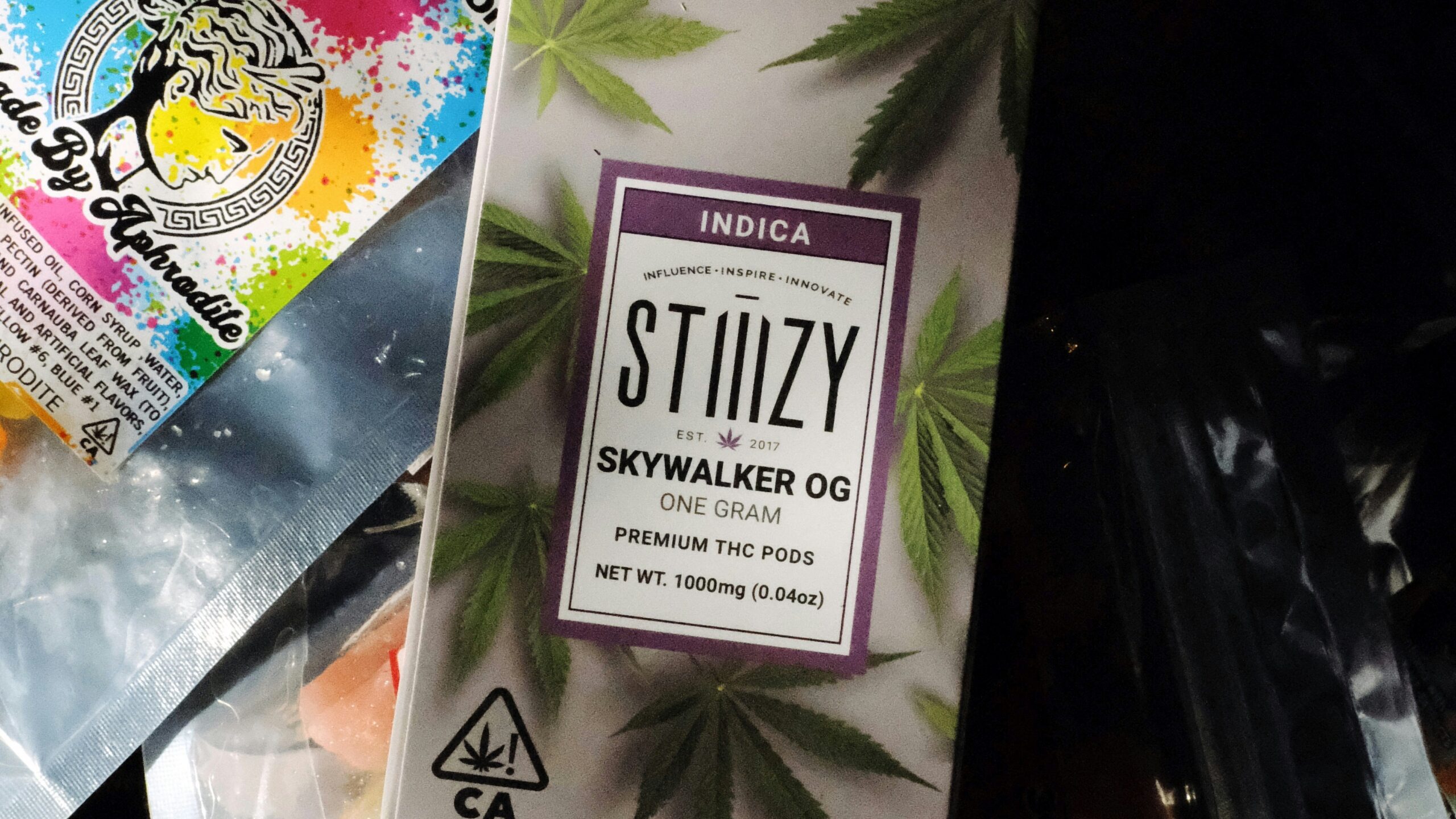
A data breach at STIIIZY, one of the country’s larger cannabis brands, has produced a settlement that pays affected customers real money, and the filing window is short. People whose personal information was exposed can claim up to $7,500 for documented losses, or take a smaller flat cash payment with no proof required, but every claim has to be filed before September 10, 2026. For older adults, whose stolen data can be misused for years, the free credit protection bundled with the deal can matter even more than the cash.
What happened, and who qualifies
STIIIZY, Inc. agreed to settle a class action brought after a breach exposed customer records, resolving the case for $2.95 million without admitting fault. The combined federal litigation, filed in the U.S. District Court for the Central District of California, was consolidated under the name In re: STIIIZY Inc. Data Breach Security Litigation. The class generally includes people who were notified that their information was involved in the breach, and the settlement fixes both the money available and the strict deadline to claim it.
Data-breach cases like this one exist because exposed information does not lose its value when the incident fades from the news. Details such as names, contact information, and in many breaches account or Social Security numbers can be bought, sold, and reused by criminals for years afterward. That long tail is precisely why a settlement arriving well after the breach still carries real benefit, and why the protection attached to it can outweigh the payment itself.
Free for readers: Miss an enrollment or claim deadline and it is gone. The free Retirement Shield newsletter stays ahead of the ones that matter. Get the free newsletter.
The two ways to get paid
The core benefits are laid out on the official STIIIZY settlement site, which the court-approved administrator runs. Class members can claim reimbursement of up to $7,500 for documented out-of-pocket losses tied to the breach, or instead elect a pro-rata cash payment that requires no proof of loss. California class members receive twice the share of members outside the state, a nod to that state’s stronger privacy statutes.
The choice between the two options comes down to paperwork. The larger reimbursement, up to $7,500, is meant for people who can document money actually lost to the breach, such as fraudulent charges, fees to freeze and unfreeze credit, or the cost of resolving identity theft. Bank statements, receipts, and notes on time spent cleaning up fraud all strengthen that kind of claim, so gathering records before filing is worth the effort.
The alternative, a flat pro-rata cash payment, asks for no documentation at all and suits anyone who was notified but cannot point to a specific loss. Because it is pro-rata, the exact amount depends on how many people file, a structure described in an independent overview of the STIIIZY settlement. Either way, filing costs nothing, and no one should pay a company that offers to submit the claim in exchange for a share of the payout.
Filing is straightforward in either case. The settlement site provides an online claim form and a mailing option, and it asks for the identifying details needed to match a claimant to the affected records, often using a notice number or class-member code from the breach notification letter. Anyone who kept that letter should have it handy, and anyone who did not can still use the site to check whether their records fall within the class.
The credit protection is the quieter prize
Money aside, the settlement includes protection that outlasts a single check. Class members are eligible for two years of free three-bureau credit monitoring plus up to $1 million in identity-theft insurance, coverage that would cost real money to buy privately. Because exposed Social Security numbers can circulate for years, that monitoring window is often more valuable than the cash. Anyone who suspects their identity has already been misused can build a free recovery plan through the FTC’s IdentityTheft.gov, the government’s official reporting and recovery service.
A credit freeze pairs naturally with the settlement’s monitoring. Placing a free freeze with each of the three nationwide bureaus blocks criminals from opening new accounts with stolen data, and the FTC’s guidance on credit freezes and fraud alerts explains how to set one up. Taking that step while the free monitoring runs gives a breach victim layered protection rather than relying on a payout alone.
As with any publicized payout, the settlement also draws impostors. Scammers may call or email posing as the administrator and demand a fee, a gift card, or bank credentials to process a claim. No legitimate settlement charges to collect, so any such request is a warning sign, not a step in the real process.
Why September 10 is the date that counts
The settlement still needs a judge’s sign-off, with a final approval hearing set for October 19, 2026, but the claim deadline comes first, on September 10, 2026. That gap trips people up. A claim can feel safe to postpone because the case is not yet final, yet the right to file closes weeks before the hearing, and a claim submitted after September 10 will not be paid no matter how the approval goes. As of publication, the deadline sits in the future and the window is open.
The bottom line
The STIIIZY settlement gives breach victims a rare chance to be compensated for a risk that usually goes unaddressed. Eligible class members can claim up to $7,500 with documentation or a no-proof cash payment, gain two years of free credit monitoring and up to $1 million in identity-theft insurance, and California members receive a double share. All of it hinges on filing before September 10, 2026. Confirming eligibility on the official settlement site and choosing the option that fits is the difference between collecting and letting the protection lapse.
Free for readers: For plain-English help keeping more money in retirement, the free Retirement Shield newsletter covers scams, benefits, and money owed, a couple times a week. Subscribe free.
This article was researched and drafted with AI assistance and reviewed against the linked primary sources.