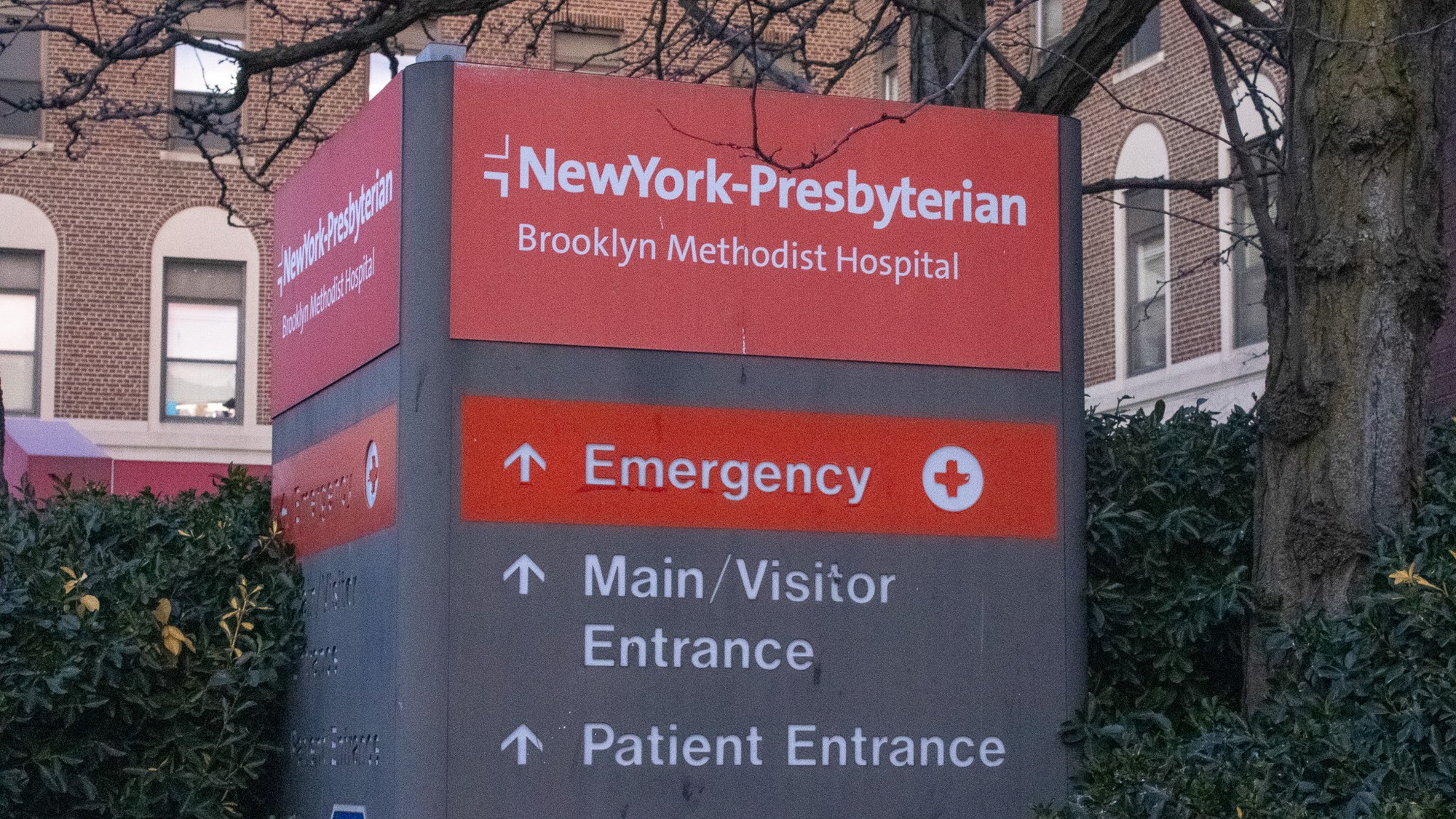
NewYork-Presbyterian’s public page still describes an extension of UnitedHealthcare Medicare Advantage in-network coverage only through July 31, 2026. As of August 8, the page has not posted a final outcome from the negotiations. That silence is not proof that the hospitals left the network, and it is not proof that a new agreement preserved coverage.
The last official update expired without a posted resolution
The health system’s June 29 notice says current in-network coverage was extended through July 31 while negotiations continued. It states that most affected facilities would become out of network August 1 only if no agreement was reached.
The conditional language controls. After July 31, the page’s old future-tense statement cannot establish present network status. A member needs a current determination from UnitedHealthcare for the exact plan, provider and service.
The listed facilities include major hospitals, medical groups and related care sites. Coverage can vary among professional, facility, imaging and laboratory claims, so a general answer about “NewYork-Presbyterian” may be incomplete.
Free retirement updates: Miss an enrollment or claim deadline and it may be gone. Our free Retirement Shield newsletter keeps readers ahead of the ones that matter. Get the free newsletter.
Active treatment may carry temporary protection
The notice says many patients in an active course of treatment before August 1 may qualify for in-network treatment through October 29, and pregnancy protection may last longer. Those statements still require plan approval for the individual case.
A continuity authorization should identify the provider, services, cost sharing and end date. The plan’s reference number and written response are essential if a claim later processes at out-of-network rates.
Medicare’s rights guide describes coverage appeals and faster decisions when delay could seriously harm health. A network-status question and a denial of a specific service should be documented separately.
Financial planning cannot wait for a webpage
A scheduled procedure should not proceed on an assumption created by the old page. The member should ask UnitedHealthcare whether the hospital, physician and supporting services are in network on the date of care and whether prior authorization remains valid.
If the answer is no, the plan should identify an in-network alternative and explain continuity rights. A PPO may cover out-of-network services at higher cost; an HMO may not cover ordinary nonemergency care outside the network.
Written estimates should include facility fees, clinicians, imaging, laboratory work and follow-up. The retirement-budget risk can be much larger than one office copay.
Uncertainty is itself a reportable fact
A portal directory result should be saved with the search date, plan name, physician and location. Network tools can update without preserving the prior result. A screenshot cannot create coverage, but it documents the information presented when care was scheduled.
Patients receiving infusion, dialysis, rehabilitation or post-operative care should ask the treatment team which interruptions create clinical risk. That medical statement can support an expedited coverage request and helps the plan evaluate continuity rather than treating the case as routine preference.
An out-of-network estimate should be compared with the plan’s explanation of how the annual maximum applies. Some charges may not count toward the cap, and a provider may bill above the plan’s allowed amount. The hospital’s financial-assistance office can explain payment options but cannot promise insurer reimbursement.
Switching physicians also requires records and prescription coordination. Refills, referrals and pending test results should be transferred before the old authorization ends. These administrative steps have direct financial value because repeated appointments and duplicate tests consume both time and money.
The absence of a final public update also increases impersonation risk. A caller claiming to resolve the dispute should not receive a Medicare number, Social Security number or payment. Member Services should be reached through the number printed on the plan card.
The health system’s last first-party statement supports only an expired extension and a conditional outcome. Reporting a final exit without a new confirmation would turn silence into a fact.
The responsible response is to document the uncertainty and verify the live contract through the insurer. Until NewYork-Presbyterian or UnitedHealthcare posts a final notice, individual written confirmation is the evidence that protects both treatment continuity and savings.
The confirmation should be repeated if the appointment date changes. A service authorized for August may not carry into October, and continuity protection may expire on a fixed date rather than after a course of care. Calendar reminders prevent an old authorization from being mistaken for permanent network participation.
Explanation-of-benefit notices should be opened promptly even when the provider says billing is being handled. Appeal clocks can run from the plan’s notice, and an unpaid balance may move toward collections while the hospital and insurer continue negotiating.
This article was created with AI assistance and was reviewed, edited, and fact-checked by The Financial Wire editorial team.
More Financial Reading
- Bank statements: how long to keep them and when to toss them
- How many CDs can you park at 1 bank? FDIC rules you must know