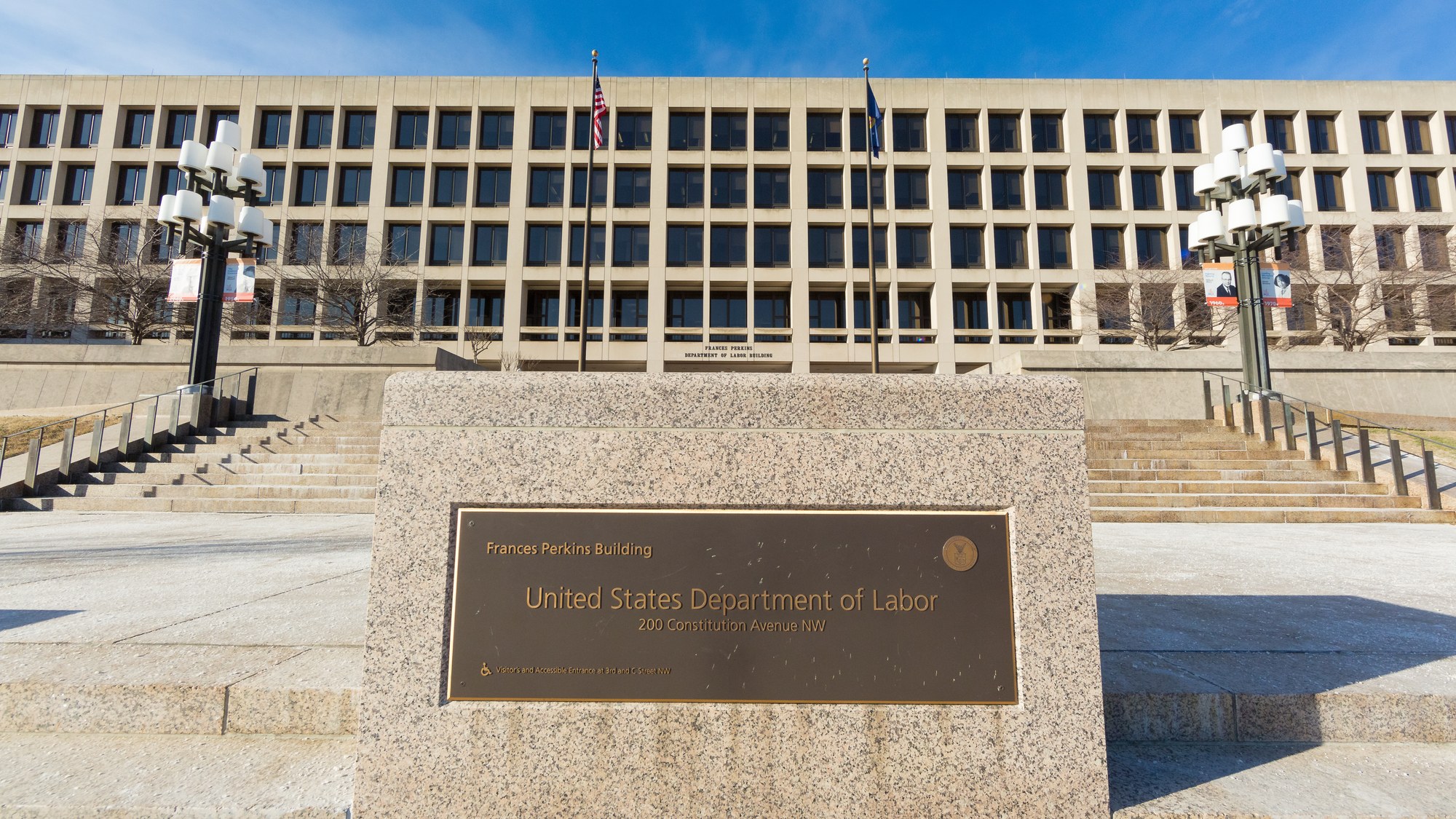
Changing jobs can separate a worker from a retirement account without taking away the right to the money. Old plan names disappear, companies merge and paper notices go to obsolete addresses. The Labor Department’s Retirement Savings Lost and Found now gives workers a federal search point for private-sector plans that may still owe them benefits.
The federal tool searches plans, not every kind of account
The Retirement Savings Lost and Found Database was established under the SECURE 2.0 Act. The Labor Department says it can connect an identity-verified user with private-sector employer or union plans associated with the user’s Social Security number, including defined-benefit pensions and defined-contribution plans such as 401(k)s.
The database does not locate individual retirement accounts, government plans, Social Security benefits or some church plans. It is a starting point rather than a complete national balance sheet. A missing match does not prove that an old benefit never existed.
Access requires an identity-proofed Login.gov account. That requirement protects sensitive retirement information but also gives scammers an angle. The legitimate process begins at a .gov domain and does not require paying a finder, sharing a password or sending cryptocurrency to release an account.
Free retirement updates: Social Security and Medicare change every year, and nobody sends you a memo. Our free Retirement Shield newsletter breaks down what changed and what to do. Get it free in your inbox.
The billions figure comes from accounts workers left behind
A Government Accountability Office report said workers who separated from jobs between 2004 and 2013 left $8.5 billion in more than 16 million accounts holding $5,000 or less. The GAO’s 2024 report cited that earlier estimate while explaining that lost accounts remain a problem for workers and plan sponsors.
That historical measurement does not mean the database currently contains $8.5 billion or that every forgotten account is claimable through one search. It does establish the scale behind the headline: billions have been left in small employer-plan accounts, and job changes repeatedly create the conditions for savings to be lost.
Small balances are especially easy to miss. A worker may assume the account was automatically rolled over, cashed out or included with another provider. Fees, forced-transfer rules and address changes can alter where the money sits while the underlying ownership remains.
Old records can solve what the database cannot
A search should be paired with W-2 forms, tax returns, pay stubs and benefit statements. Box 12 on an old W-2 can show retirement-plan contributions, while a former employer’s legal name can lead to a successor or plan administrator. Merger announcements and bankruptcy records may explain why a familiar brand no longer answers.
The plan’s Summary Plan Description, annual statements and distribution notices identify rules and contacts. If the employer still operates, its benefits office can confirm the recordkeeper. If it closed, the Labor Department’s Employee Benefits Security Administration can help identify the plan or explain next steps.
State unclaimed-property searches are another route when a plan distributed a check that was never cashed or transferred funds under applicable rules. Those searches should be conducted directly through official state sites. Charging an upfront recovery fee for a public database search reduces the balance before the owner even knows what exists.
Finding the account comes before choosing what to do with it
A located account may be left in the old plan, rolled into a new employer plan, transferred to an IRA or distributed, depending on plan rules and balance. Each option can change fees, investment choices, creditor protection, withdrawal access and taxes.
A direct rollover generally keeps qualified retirement money tax-deferred. A check made payable to the worker can trigger withholding and a deadline to complete a rollover. Older account owners also need to consider required minimum distributions and whether the plan has already classified them as missing.
Beneficiary information should be reviewed after the account is found. A designation on the plan can control where the money goes at death and may not match an old will. Divorce, remarriage and a beneficiary’s death can leave stale instructions attached to a forgotten balance.
Tax records can also distinguish a missing plan from a distribution that already occurred. A Form 1099-R may show that money left the old plan, while a receiving statement can confirm whether it reached another retirement account. If the paperwork instead shows withholding and no rollover, a tax professional can help reconstruct the transaction without assuming that the original plan still holds the balance. That distinction matters.
The federal database does not promise that every search returns money. It supplies something that was missing: a centralized, identity-verified bridge back to workplace plans. The strongest search combines that tool with old tax records, former employers and official state databases until each retirement deduction on a past paycheck has a known destination.
A simple inventory should record the employer, years worked, plan type, last statement and current administrator. That list also helps a spouse or executor locate accounts if the owner becomes unable to manage them.
This article was created with AI assistance and was reviewed, edited, and fact-checked by The Financial Wire editorial team.
More Financial Reading
- The ideal retirement withdrawal rate so your savings actually last
- What really happens to your joint savings account when you die?


