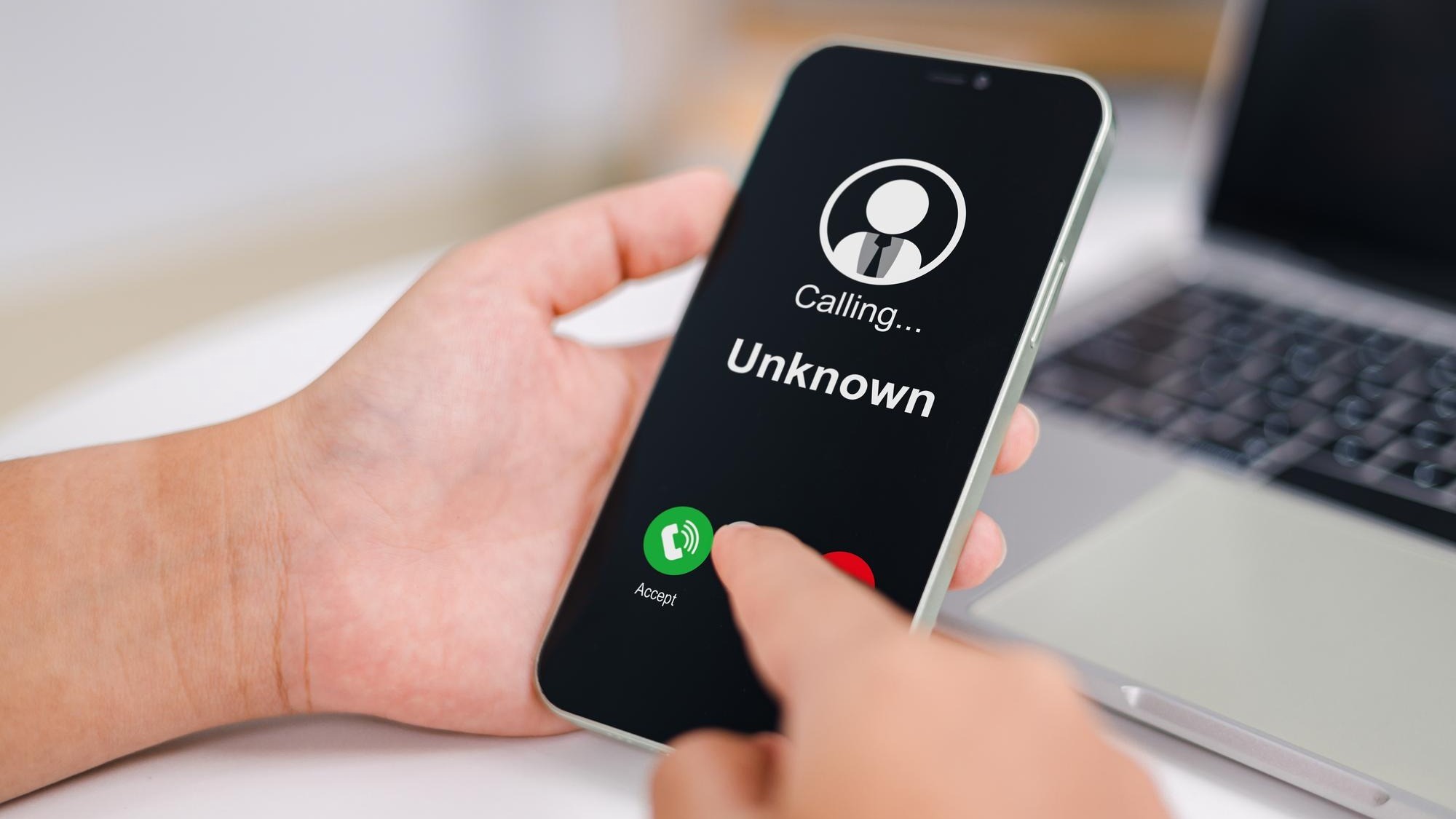
The phone rings, the caller ID shows the exact number printed on the back of a debit card, and a calm voice says the bank has spotted fraud. It is a convincing setup, and it is increasingly a lie. Criminals can now fake, or “spoof,” a bank’s real phone number so it appears legitimate on the screen, then walk an alarmed customer through steps that quietly drain the account. Older Americans, who tend to hold more savings and answer more calls, are a favorite target.
How number spoofing turns a familiar caller ID into bait
Spoofing lets a scammer choose what shows up on a recipient’s caller ID, so the number displayed can match a bank, a government agency, or a local business exactly. The Federal Trade Commission warns that a real-looking number proves nothing about who is actually calling, and that scammers lean on that false familiarity to lower a target’s guard before the pressure begins.
The script usually opens with urgency: a “suspicious charge,” a “locked account,” or a “fraud department” that needs to verify identity right now. That manufactured emergency is the tell. As the FTC’s guidance on phone scams explains, legitimate institutions do not cold-call and demand immediate action or sensitive information to keep an account open. The rush exists to stop the victim from pausing, hanging up, and thinking.
Retirees face the tactic more often than younger consumers for reasons that have nothing to do with judgment. Older Americans are more likely to answer an unknown landline, more likely to hold long-standing relationships with a single bank, and more likely to carry balances worth the effort of a phone bank operating overseas. Criminals also research their targets, buying lists that pair names with ages and rough asset profiles, so the “fraud alert” can arrive dressed with a real last name and the last four digits of a genuine card, details that make the call feel authenticated when they are simply purchased data.
Free retirement updates: Scam calls targeting retirees change every week. Our free Retirement Shield newsletter flags the ones going around and the one tell that stops each. Sign up free.
The code is the lock, not a courtesy check
The most damaging moment comes when the caller says a verification code is being texted and asks the customer to read it back “to confirm identity.” That one-time passcode is the second factor guarding online banking. When a scammer already has a stolen or phished password and triggers the bank’s own code, the number that lands in a victim’s texts is the final key needed to log in, add a new payee, or authorize a transfer. Reading it aloud hands the account over.
The tactic works because it inverts the customer’s expectations: the victim believes the code proves the bank is real, when in fact the bank never needs a customer to recite it. The same logic drives text and email versions of the ploy, which the FTC catalogs in its overview of how to recognize and avoid phishing scams. Whether the request arrives by call, text, or link, the goal is identical: get the target to surrender the credential that unlocks the money.
Because the fraud relies on real-time relay, the safest response is to end the call. A genuine fraud alert can always be handled by hanging up and dialing the number printed on the card or the bank’s official website, which routes the call to the institution rather than to whoever placed the spoofed one.
A few habits blunt the scheme before any money is at risk. Turning on account alerts through the bank’s app puts a real transaction record in a customer’s hands, so a claim of “suspicious activity” can be checked directly rather than taken on a stranger’s word. Setting a spending or transfer limit, and requiring a branch visit or a call-back for large moves, adds friction that a rushed phone call cannot overcome. And treating any request to read back a texted code as an automatic reason to hang up removes the one action the con cannot complete without cooperation.
What recovery looks like when money already moves
Speed matters once funds leave an account. Federal law gives consumers protections against unauthorized electronic transfers, and reporting the loss to the bank quickly preserves the strongest claim to a refund. The Consumer Financial Protection Bureau outlines the steps and timelines in its explainer on what to do when money is taken without authorization, including notifying the institution in writing and disputing the transaction.
Reporting also feeds the broader effort to track these rings. The FBI’s Internet Crime Complaint Center collects reports of phone and online fraud at ic3.gov, and those complaints help investigators map the phone banks and money-laundering networks behind spoofed calls. For a retiree who spots the scam mid-call, the record still matters, because the same number often circles back to a neighbor.
The defining feature of this scam is that it never asks for anything that sounds absurd. It asks a customer to confirm a code the bank supposedly sent, to protect an account the bank supposedly flagged. Treating any unsolicited call as unverified, and any request to share a passcode as disqualifying, removes the single move the whole scheme depends on.
This article was created with AI assistance and was reviewed, edited, and fact-checked by The Financial Wire editorial team.
More Financial Reading
- Bank statements: how long to keep them and when to toss them
- Adding someone to your bank account: tax traps and smart moves