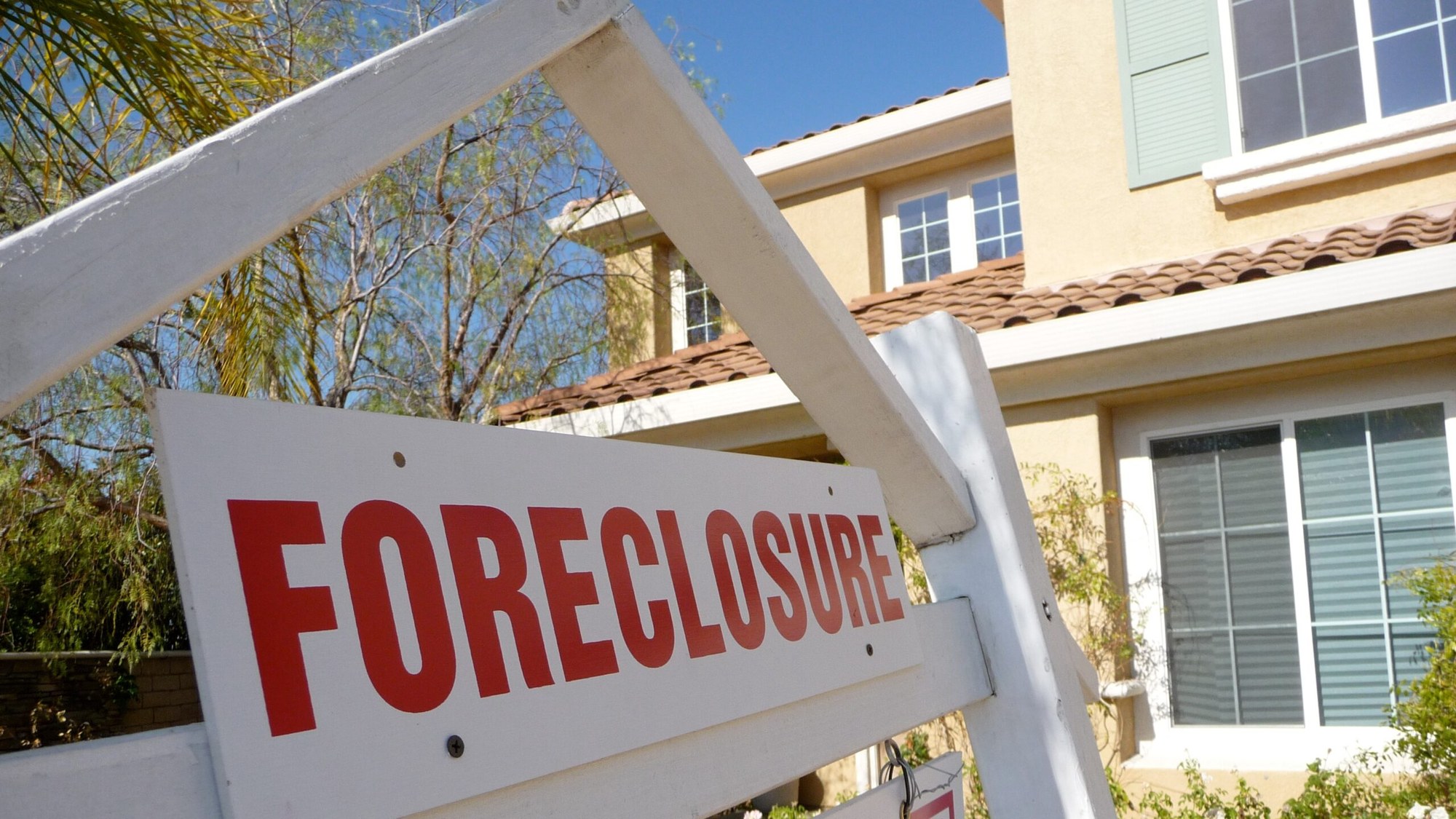
Paying off a mortgage is supposed to be the moment a home becomes untouchable. It is not. Every home carries an annual property-tax bill owed to the local government, and that obligation never ends, no matter how long ago the last loan payment cleared. Fall far enough behind on those taxes and the taxing authority can place a lien on the property and, eventually, force its sale — meaning a house owned free and clear can still be taken over a debt that is often a small fraction of what the home is worth.
Why a mortgage-free home still owes taxes every year
The risk is greatest right after the mortgage disappears, and for a reason many owners overlook. While a loan is outstanding, the lender usually collects property taxes each month through an escrow account and pays the county directly, so the bill is handled automatically. Once the mortgage is paid off, that escrow account goes away, and responsibility for paying the county shifts entirely to the homeowner.
A retiree who has had taxes paid on their behalf for decades can simply forget that a bill now lands in their own mailbox and must be paid out of their own pocket. Missed payments are how the trouble starts. When property taxes go unpaid, the government can attach a lien to the home, a legal claim against the property for the amount owed, as the Consumer Financial Protection Bureau explains. That lien is the first step on a path that can end with the loss of the house.
Free retirement updates: Enrollment and claim windows come and go, and missing one can cost you real money. The free Retirement Shield newsletter keeps you ahead of the deadlines that matter. Sign up free.
From an unpaid bill to a forced sale
Once a lien is in place, jurisdictions take one of two broad routes, and both can strip an owner of the home. In many places the government sells a tax-lien certificate to a private investor, who pays the overdue taxes to the county and then collects from the homeowner. The owner typically has a redemption period to repay the back taxes plus interest and fees and clear the lien, but that interest can run at rates far above a normal loan, and a debt that began at a few thousand dollars can swell quickly. If the owner fails to redeem within the allowed time, the investor can move to foreclose and take title.
Other jurisdictions skip the certificate and sell the property itself at a tax-deed auction after taxes go unpaid long enough. Either way, the amount that triggers the loss is often modest compared with the value of the house, which is what makes these sales so devastating. The timelines and redemption rights vary from state to state, so the same missed bill can play out very differently depending on where the home sits.
The equity an owner can lose — and a limit the courts set
For years, some local governments kept everything a tax sale brought in, not just the taxes owed. A county could seize a home over a few thousand dollars in delinquent taxes, sell it, and pocket the entire proceeds, including tens of thousands of dollars in the owner’s built-up equity. Critics called the practice home-equity theft. In 2023 the U.S. Supreme Court ruled in Tyler v. Hennepin County that keeping the surplus beyond the tax debt is an unconstitutional taking, a decision that established homeowners are generally entitled to the value left over after the taxes, interest, and costs are paid.
That ruling is an important backstop, but it does not stop the loss of the home itself, and how surplus proceeds are returned still depends on state procedures a delinquent owner has to follow. The cleaner protection remains the obvious one: never let the taxes go unpaid long enough for a sale to begin.
Relief programs and staying ahead of the bill
Many owners at risk qualify for help they never claim. States and localities offer property-tax exemptions, freezes, and deferral programs, several of them aimed squarely at older or lower-income homeowners, and a deferral can postpone the bill rather than let it spiral into a lien. Details on those programs and how to find a local tax office are collected in the government’s consumer guidance on property taxes. The practical steps are simple: confirm who is now responsible for paying the county after a mortgage is gone, watch for the annual and supplemental bills, and apply for any senior or hardship relief the jurisdiction offers before falling behind.
Address records are a quiet culprit. After a mortgage is paid off, tax bills that once went to the lender’s escrow servicer are supposed to redirect to the homeowner, but a county’s records do not always update cleanly, and a bill mailed to a former servicer can go unseen until penalties have piled up. Confirming that the tax office has the correct mailing address, and signing up for any electronic billing or autopay the county offers, closes off one of the most common ways a payment quietly slips through the cracks.
The unsettling truth behind these cases is how small the triggering debt can be. A home worth several hundred thousand dollars, owned outright, can be pulled into a tax sale over an unpaid balance that would fit on a single overdue notice — which is exactly why a paid-off house still needs its tax bill watched every year. For older owners on fixed incomes, a deferral program that postpones the bill until the home is sold can be the difference between keeping the house and losing it at an auction over a sum that plain forgetfulness let grow out of control.
This article was produced with the assistance of artificial intelligence and reviewed by The Financial Wire editorial team.
More Financial Reading
- Adding someone to your bank account: tax traps and smart moves
- What really happens to your joint savings account when you die?