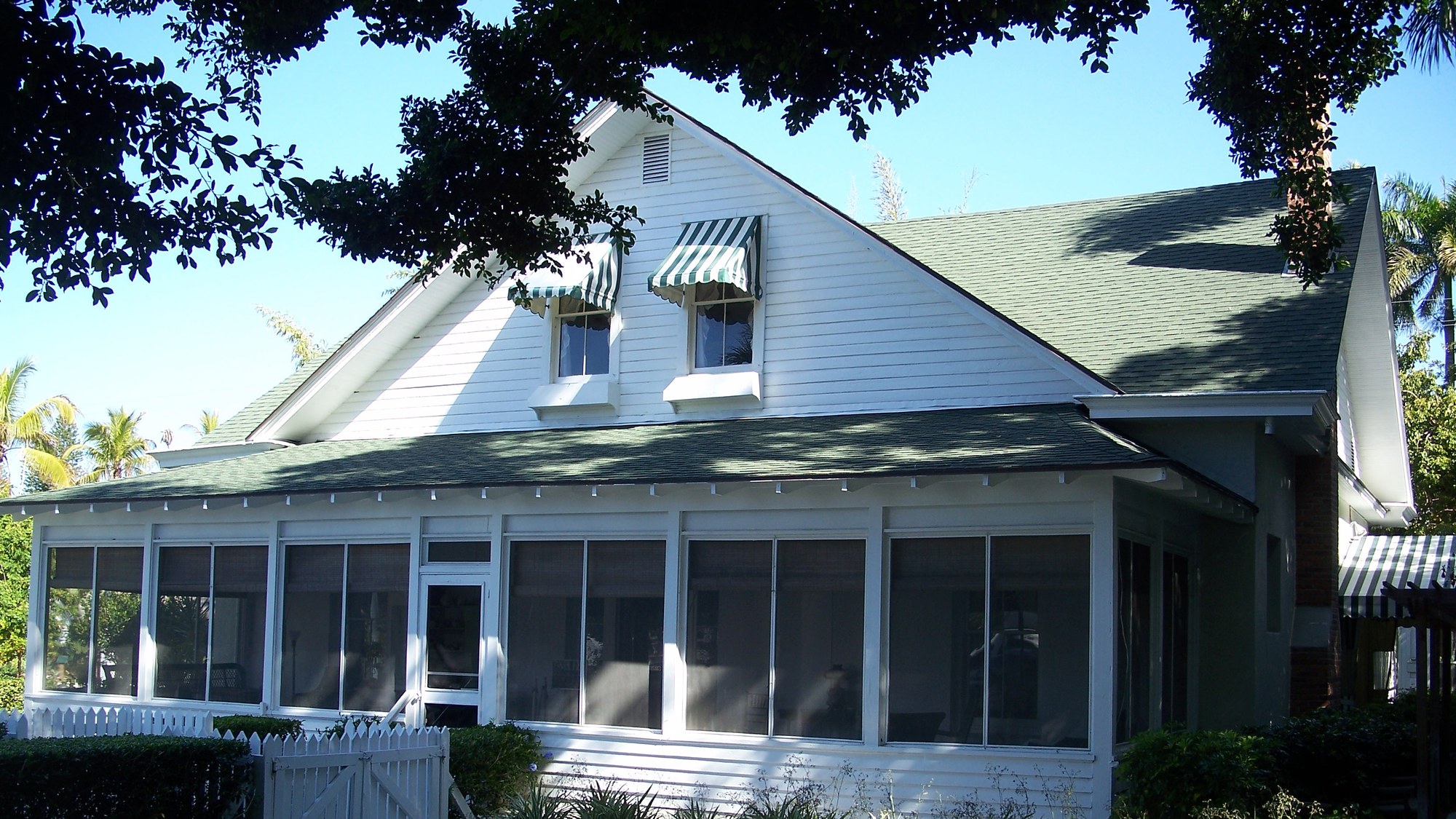
Homeowners bracing for another jump in their insurance bill are likely to get one. Industry projections put the average U.S. home insurance premium on track to rise about 4% in 2026, reaching roughly $3,057 a year, the fifth straight year of increases. In California, where wildfire losses have gutted the market, the projected increase is far steeper: about 16%, the largest of any state.
What the 2026 projections show
The national and state figures come from a price-projection report by the insurance marketplace Insurify, which expects the typical annual premium to climb roughly 4% to about $3,057 after a 12% jump in 2025. California leads the projected increases at close to 16%, followed by Nebraska near 13%, New Mexico around 11%, and Georgia about 10%, according to coverage of the report. These are projections rather than locked-in rates, and an individual premium still depends on the insurer, the property, its location, and the coverage chosen. Not every market is heading up: a handful of states, including Hawaii, Massachusetts, Maine, Louisiana, and Rhode Island, are projected to see small declines.
The upward pressure is not confined to disaster-prone coastlines. Insurers point to years of higher costs to rebuild after a claim, from pricier construction materials to scarcer labor, along with steeper reinsurance bills, the coverage that insurers themselves buy to absorb catastrophic losses. Those costs filter into premiums nationwide, which is why the projected 2026 increase follows a roughly 12% jump in 2025 and would mark the fifth straight year of rising bills. Because the numbers are projections built on filed and expected rate changes, the figure a household actually sees at renewal can land higher or lower.
Free retirement updates: Miss an enrollment or claim deadline and it may be gone. Our free Retirement Shield newsletter keeps readers ahead of the ones that matter. Get the free newsletter.
Why California is the outlier
California’s projected jump traces back to catastrophic wildfire losses, including the 2025 Palisades and Eaton fires, which drove tens of billions of dollars in insured damage and pushed insurers to raise rates or pull back from high-risk areas. As standard-market coverage has grown harder to find, more owners have landed on the state’s insurer of last resort, the FAIR Plan. The California Department of Insurance approved a 29.1% average rate increase for that plan, effective October 15, 2026, affecting more than 675,000 policyholders, according to reporting on the filing. The wildfire portion of a premium drives most of the increase, so owners in high-risk zones face the largest hikes while some lower-risk policyholders see smaller changes.
The state’s own rules shape how quickly those costs reach customers. Under Proposition 103, California insurers must win the Department of Insurance’s approval before changing rates, a process that historically lagged behind rising risk and led several large carriers to pause writing new home policies rather than sell coverage they considered underpriced. In response, the department adopted a strategy that lets insurers use forward-looking catastrophe models and factor in reinsurance costs when they set rates, in exchange for writing more policies in wildfire-prone areas. The upshot is a market correcting quickly after years of suppressed pricing, part of why California’s projected increase outpaces every other state.
What rising premiums mean for retirees on fixed incomes
For older homeowners living on Social Security, a pension, or measured withdrawals from savings, a climbing insurance bill is not a rounding error. Home insurance has become one of the fastest-growing line items in a household budget, and a premium that rises faster than a cost-of-living adjustment eats into money meant for everything else. Owners who still carry a mortgage feel it through a higher escrow payment, since the lender collects insurance costs alongside principal and interest. When a premium jumps mid-year, the escrow account can fall short, leaving the owner to cover the gap and then face a permanently higher monthly payment the next year. Those who own their homes outright feel it directly, as a larger annual or monthly bill.
The dollars add up quickly. A 4% rise on a roughly $3,057 premium is about $120 more a year for the average household, while a projected 16% increase in California could add several hundred dollars to an already high bill. Set against a Social Security cost-of-living adjustment that has run in the low single digits, an insurance increase several times that size steadily crowds out money meant for food, medicine, and everything else on a fixed budget.
Hardening a home and shopping the policy at renewal
The temptation to drop or thin out coverage to save money carries its own trap. A homeowner who lets a policy lapse while a mortgage is still in place can be hit with lender-placed coverage, which typically costs far more and protects only the lender, not the owner’s belongings or liability. Raising a deductible can lower the monthly bill, but it shifts more of any future loss onto a household that may not have the cash on hand to absorb it.
The steadier approach is to compare quotes at renewal rather than letting a policy roll over automatically, and to ask each insurer which discounts apply. Many carriers now cut premiums for wildfire-hardening steps such as a fire-resistant roof, cleared brush within a defensible-space zone, and ember-resistant vents, and California requires insurers to offer such discounts to owners in high-risk areas. Bundling auto and home coverage, adding a monitored alarm, or updating aging plumbing and wiring can trim the bill further. Owners should also confirm the dwelling coverage still reflects the current cost to rebuild, since underinsuring to shave a premium can leave a catastrophic gap after a total loss. With increases projected to continue for a fifth straight year, shopping the policy has become less a once-a-decade chore than an annual line of defense for anyone trying to hold a fixed budget together.
This article was produced with the assistance of artificial intelligence and reviewed by The Financial Wire editorial team.
More Financial Reading
- How many CDs can you park at 1 bank? FDIC rules you must know
- What really happens to your joint savings account when you die?