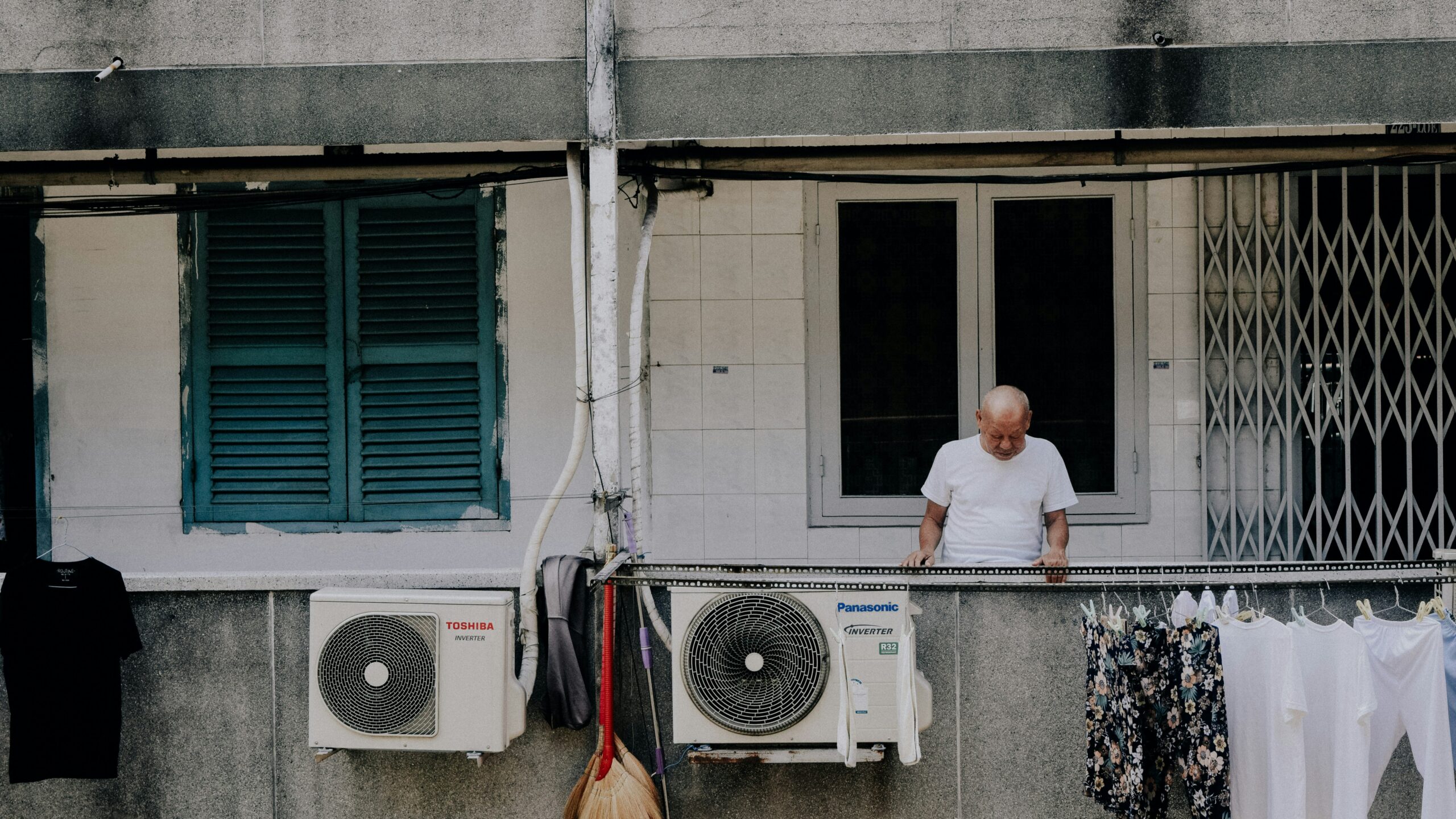
Heating and cooling costs are among the least flexible expenses in a fixed-income household, and for many older adults they arrive as a bill that has to be paid before almost anything else. A federal program exists specifically to blunt that pressure, covering part of an energy bill and stepping in when a shutoff looms. Yet a large share of the seniors who qualify never sign up, in part because the program is not run out of Washington and does not send money directly to the people it serves.
What LIHEAP covers, from winter heat to summer cooling
The Low Income Home Energy Assistance Program, known as LIHEAP, is described by the federal Administration for Children and Families as help for families struggling with the cost of home energy. Its assistance is broader than a single winter heating check. The program can pay part of a household’s regular energy bill, provide crisis aid when a utility is about to be shut off or has already been disconnected, cover certain weatherization improvements that lower future bills, and fund minor energy-related home repairs. Cooling assistance matters as much as heat in hot-climate states, where summer electricity bills to run air conditioning can pose a genuine health risk for an older resident.
Because the aid attaches to the energy bill rather than arriving as cash, it functions as a direct offset to one of the hardest costs to cut. For a retiree choosing between medication, groceries, and an electric bill, that offset can decide which expenses get paid in full.
Free retirement updates: Enrollment and claim windows come and go, and missing one can cost you real money. The free Retirement Shield newsletter keeps you ahead of the deadlines that matter. Sign up free.
Why the application runs through the state, not Washington
The federal government funds LIHEAP but does not distribute the money to households itself. Instead it channels block grants to the 50 states, the District of Columbia, tribes and tribal organizations, and the U.S. territories, and each of those runs its own version of the program. That design is the single biggest reason eligible seniors miss out: there is no national application to fill out, and the office that actually decides a claim is a state or local agency, not a federal one. Households looking for the right office can call the National Energy Assistance Referral hotline at 1-866-674-6327 or use the referral tools the ACF points to, which map an address to the local administering agency.
Each jurisdiction sets its own income limits and rules within the federal framework. The LIHEAP Clearinghouse notes that states typically tie eligibility to household income measured against a percentage of the federal poverty guidelines or the state median income, and many give priority to households that include an older adult, a person with a disability, or a young child. Some states also treat households already receiving benefits such as SNAP or Supplemental Security Income as automatically eligible, which shortens the paperwork considerably.
The timing trap and the money left on the table
LIHEAP funding is finite, and in many states it is distributed on a first-come basis until the allocation for the season runs out. That makes the calendar as important as the eligibility rules. A household that applies early in the heating or cooling season stands a better chance of receiving help than one that waits until a crisis, when funds may already be committed. Application windows and crisis provisions vary by state, so the same income and household situation can produce different outcomes depending on where a person lives and when they file. Renters are eligible too, not only homeowners, and even a household whose heat is folded into the rent can qualify in many states, though the rules for that arrangement differ from one program to the next.
For older adults in particular, the barriers are often practical rather than financial: an unfamiliar application, a state agency that has to be located, and an assumption that a modest Social Security check disqualifies them. In reality, the income limits are set with fixed-income retirees in mind, and the medical and energy burdens common in older households are exactly what the program was built to address. The controlling details — who qualifies, what a given state covers, and how to apply — are maintained on the ACF’s LIHEAP pages and by each state’s own energy-assistance office, which remain the authoritative starting points for anyone weighing a claim.
How the aid is paid, and how it interacts with other benefits
LIHEAP rarely covers an entire year of energy costs; it is a partial offset, usually delivered once or a few times a season, with the benefit scaled to income, household size, energy costs, and the funds a state has left. In many states the payment goes straight to the utility or fuel vendor as a credit on the account rather than to the household, so the relief shows up as a smaller balance rather than a check in the mailbox. A household does not have to be behind on a bill to receive the regular benefit, though a separate crisis component exists for those facing an imminent shutoff or already disconnected.
Receiving LIHEAP can also quietly raise another benefit. Because the Supplemental Nutrition Assistance Program lets households deduct utility costs when the food benefit is calculated, a LIHEAP payment can qualify a household for the standard utility allowance and, in states that link the two, a larger monthly SNAP benefit. Many states also pair LIHEAP with cold-weather disconnection rules that bar utilities from cutting off heat during winter months for elderly or low-income customers who have applied. For an older adult, those overlapping protections can matter as much as the dollar value of the energy payment itself.
This article was produced with the assistance of artificial intelligence and reviewed by The Financial Wire editorial team.
More Financial Reading
- The ideal retirement withdrawal rate so your savings actually last
- How many CDs can you park at 1 bank? FDIC rules you must know