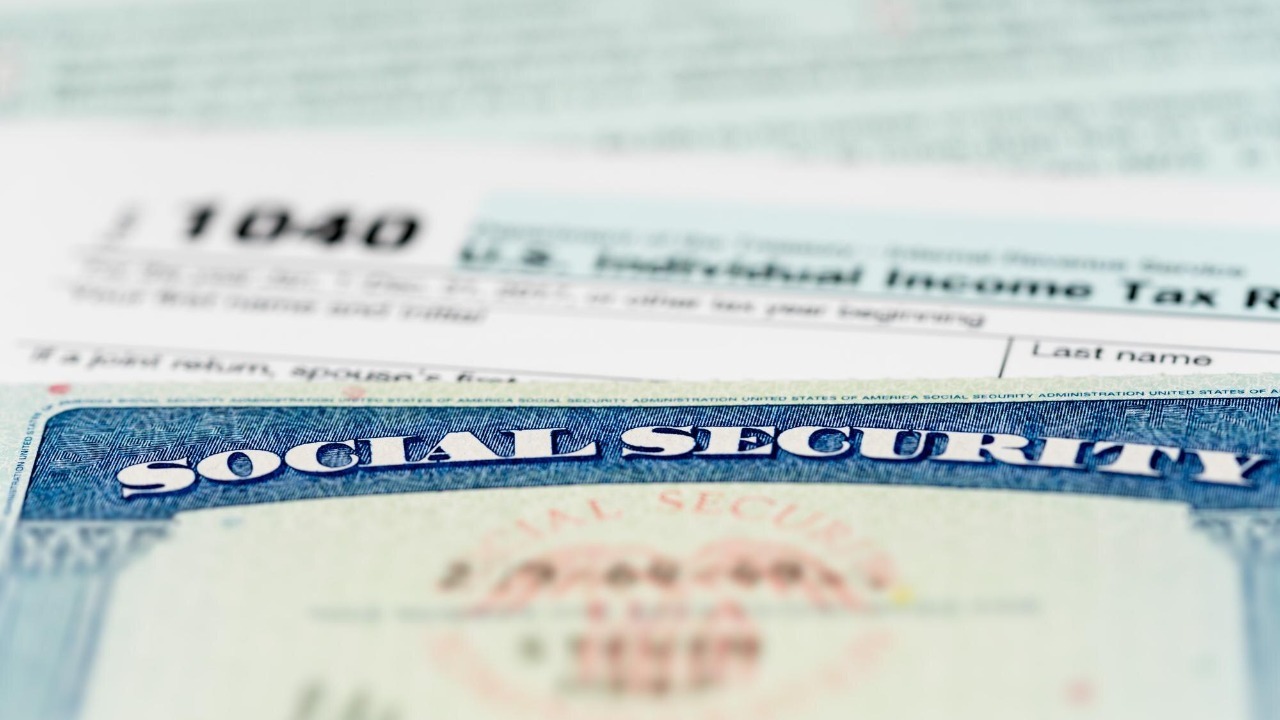
A Social Security check enjoys a level of legal protection that most income does not, but that shield has holes, and they are all on the government’s side. Federal law generally keeps benefits out of reach of private creditors, so a credit-card company or a hospital cannot garnish a retiree’s monthly payment the way it might garnish a paycheck. When the debt is owed to the federal government, or is for child support, the rules change, and a portion of the benefit can be taken before it ever reaches the bank.
The wall that stops private creditors
The starting point is broad protection. The Social Security Administration’s guidance on whether benefits can be garnished or levied states that Social Security payments are generally exempt from execution, levy, attachment, garnishment, or other legal process. In plain terms, that means the ordinary tools a private creditor uses to collect on a defaulted loan, an unpaid medical bill, or a past-due credit-card balance do not reach a Social Security benefit. A collector can sue and win a judgment, but the benefit itself stays off limits under that general rule.
Supplemental Security Income, the separate program for low-income older and disabled people, sits behind an even stronger wall. SSI payments cannot be levied or garnished at all, including for the federal debts that can reach regular Social Security. For the millions of retirees whose income is mostly or entirely Social Security, that protection is the difference between a benefit that keeps arriving in full and one that can be trimmed.
Free retirement updates: Miss an enrollment or claim deadline and it may be gone. Our free Retirement Shield newsletter keeps readers ahead of the ones that matter. Get the free newsletter.
How the IRS reaches a benefit check for back taxes
The largest exception is unpaid federal taxes. The IRS collects overdue tax debt from Social Security through the Federal Payment Levy Program, which allows a levy of 15 percent of each monthly Title II benefit until the debt is satisfied. The 15 percent applies even if the remaining benefit sent to the retiree falls below a certain amount, so the levy is a flat share rather than a hardship-tested one. The agency sends a notice first, giving the taxpayer 30 days to arrange payment before the deductions begin.
Not every benefit is exposed. The IRS page notes that Social Security disability insurance benefits are no longer systematically levied through the program, and that lump-sum death benefits, benefits paid to children, and SSI payments are excluded. For a retiree drawing old-age or survivor benefits, though, a lingering tax debt can shave 15 percent off each check, month after month, until the balance clears.
How a bank must shield direct-deposited benefits
The protection does not stop at the general exemption; a federal rule reaches into the bank account itself. When a bank receives a garnishment order against a customer, a Treasury regulation requires it to review the account and automatically protect a sum equal to the last two months of federal benefits paid by direct deposit, including Social Security and SSI, leaving that amount available to the account holder no matter what the order demands. The safeguard is automatic, so a retiree does not have to file a claim of exemption to keep two months of benefits within reach. Its main limit is tracing: the shield attaches to benefits that arrive by direct deposit, and once those dollars are moved to another account or mixed with unrelated funds, showing that the money is protected becomes the account holder’s burden.
Student loans, child support and other government debts
Two more categories can reach a benefit. Delinquent non-tax debts owed to federal agencies, most commonly defaulted federal student loans, can be collected through a Treasury offset that reduces the monthly payment. The Social Security garnishment guidance ties this to the Debt Collection Improvement Act, which lets the Treasury withhold benefits to satisfy money owed to other parts of the federal government, subject to a protected minimum that is left untouched. An older borrower who never cleared a federal student loan can find the balance following them into retirement through their benefit.
Child support and alimony form the other exception, and this one predates the rest. Social Security can be withheld to enforce a legal obligation to pay court-ordered child support, alimony, or restitution, a carve-out that reflects the priority the law places on family-support debts. The share that can be taken for these obligations is set by garnishment law and can run higher than the 15 percent used for tax debt, depending on the order and the person’s circumstances.
The government’s reach is bounded even where it exists. A Treasury offset for a defaulted federal student loan is capped at 15 percent of the monthly benefit and cannot cut the payment below a protected floor of $750 a month, so a retiree with a modest benefit keeps a set minimum regardless of the debt. Child support and alimony run under different limits drawn from federal wage-garnishment law, which can reach a larger share, generally up to 50 to 65 percent depending on whether the person supports another family and how far the payments are in arrears. The 15 percent tax levy, by contrast, carries no such floor, which is what makes an unresolved tax debt the version of this that bites hardest into a benefit check.
The through-line is who is owed the money. A private lender, a card issuer, or a bill collector runs into the general exemption and cannot touch a Social Security benefit. The federal government, whether it is the IRS chasing back taxes, the Treasury offsetting a defaulted student loan, or a court enforcing child support, can. For a retiree whose budget leans on that monthly deposit, the practical takeaway from the agency’s own rules is that the debts worth clearing first are the government ones, because those are the debts a Social Security check cannot hide from.
This article was produced with the assistance of artificial intelligence and reviewed by The Financial Wire editorial team.
More Financial Reading
- How many CDs can you park at 1 bank? FDIC rules you must know
- What really happens to your joint savings account when you die?