Somewhere in the paperwork of leaving a job or entering retirement, many workers with a traditional pension face a single irreversible choice: keep a guaranteed monthly check for life, or take the whole benefit as one large payment now. The lump sum can look enormous next to a modest monthly figure. What the offer rarely spells out is that accepting it transfers every risk the pension used to absorb, from market swings to the simple question of how long the money needs to last.
What a lump-sum offer actually replaces
A traditional, or defined-benefit, pension promises a set monthly amount for as long as the retiree lives, with the employer bearing the investment and longevity risk. A lump-sum window flips that arrangement. When a plan offers one, described in PBGC guidance on lump-sum windows, the retiree receives the present value of those future payments in cash and the plan’s obligation ends. The monthly checks stop existing; in their place is a balance that now has to be invested, managed, and rationed across a retirement that could run 30 years or more.
The size of the payment is calculated using interest rates and mortality assumptions, and it is not a neutral conversion. Higher interest rates shrink the lump sum, because a smaller amount today is assumed to grow into the same stream of payments, which is why the value of an identical pension can swing widely from one year to the next.
Free retirement updates: One number can cost or save hundreds a month in retirement. The free Retirement Shield newsletter surfaces the ones worth knowing. Sign up free.
The guarantee that vanishes with the cash
The monthly annuity carries a backstop most retirees never think about. If the sponsoring company fails and the plan collapses, the Pension Benefit Guaranty Corporation steps in and continues paying benefits up to federal limits, a protection detailed in the PBGC maximum guarantee rules. A lump sum has no such safety net once it is paid out. The retiree becomes the sole manager of the money, and a poor market year early in retirement, a costly mistake, or a scam can erase what a pension would have paid reliably regardless of conditions.
For a healthy retiree with no other guaranteed income beyond Social Security, that lifetime floor is often the strongest argument for keeping the annuity.
When the lump sum can make sense
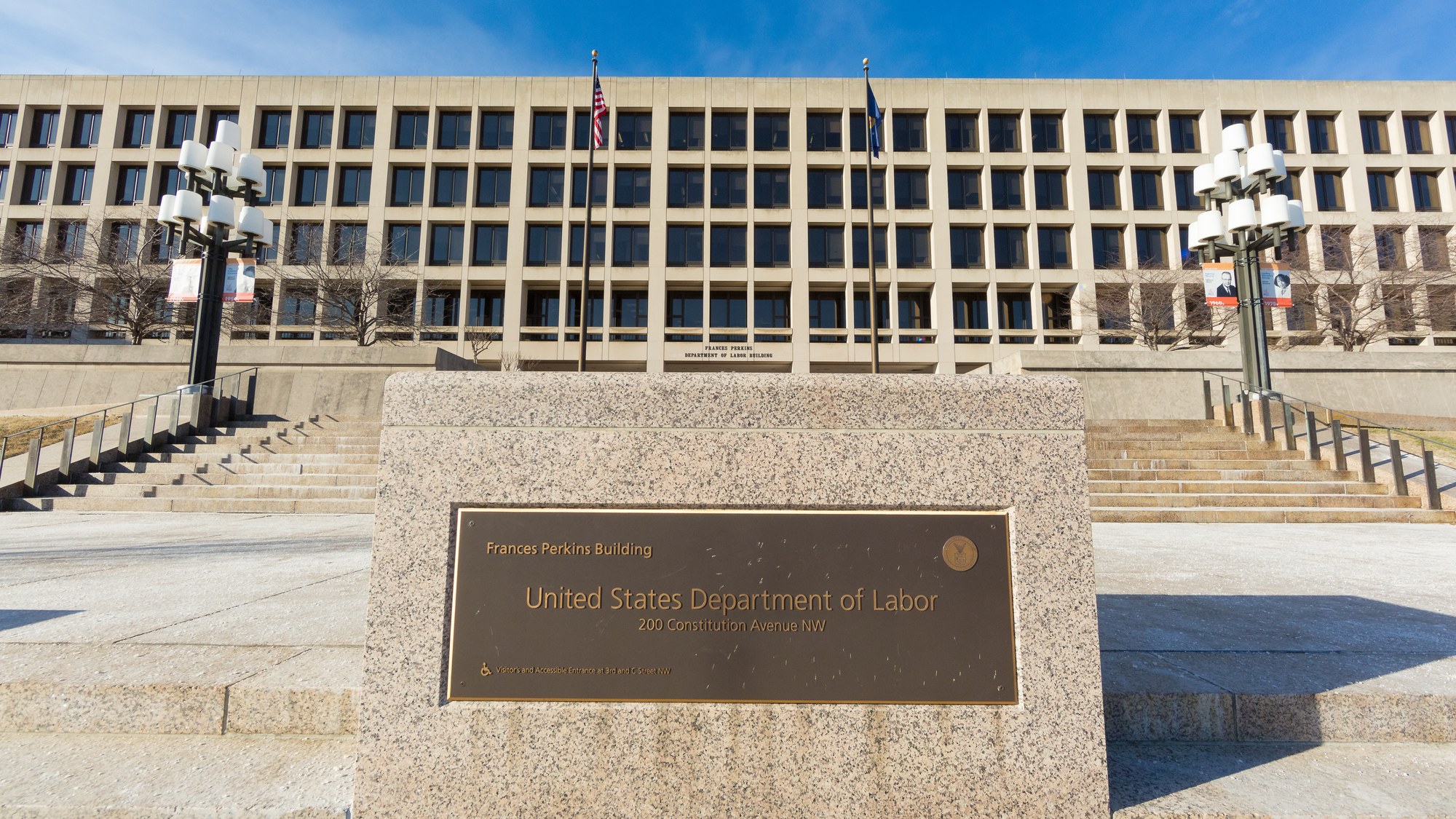
The one-time payment is not automatically the worse choice. A worker in poor health, or one with a family history of shorter lifespans, may collect far more by taking the cash than by waiting on monthly checks that stop at death. The Department of Labor’s overview of retirement plans describes how defined-benefit payments are structured, and the lump sum also offers control the annuity cannot: money that can be left to heirs, tapped for a large one-time need, or invested for potential growth.
Flexibility carries its own hazard. A lump sum invites spending pressure from family, salespeople, and the retiree’s own impulses, and studies of pension cash-outs consistently find a share of recipients exhaust the money faster than a monthly benefit would have provided.
The rollover step that protects the money
For anyone who does take the cash, how it is received determines the tax outcome. A lump sum paid directly to the retiree can be treated as a taxable distribution and, for someone under 59½, hit with an additional penalty. Rolling the payment straight into an IRA preserves its tax-deferred status and keeps the full balance intact, a mechanic the Department of Labor’s plan guidance addresses alongside the rules governing distributions.
Inflation and the buyout wave
One weakness of the monthly annuity often goes unmentioned in the debate. Most private-sector pensions pay a fixed amount that never rises, so decades of even moderate inflation steadily erode what the check buys. A benefit that comfortably covers expenses at 65 can feel thin at 85, and a lump sum invested for growth is one of the few ways to fight that slow decline, provided the retiree has the temperament and the horizon to invest it well.
That vulnerability is one reason employers have pressed lump-sum offers on retirees and former workers in recent years. Moving the obligation off the company’s books shrinks the pension liability and the insurance premiums that come with it, which means the timing of a buyout window often serves the sponsor’s balance sheet as much as the retiree’s interests. A larger-than-usual offer is not automatically a gift; it can reflect an employer eager to be rid of a long-term promise. Reading the offer as a negotiation between two parties with different incentives, rather than as neutral advice, is the mindset that protects the decision.
The decision ultimately turns on a trade the offer letter never states plainly. The annuity buys certainty and outsources the risk of a long life; the lump sum buys control and hands that risk back. Weighing health, other guaranteed income, inflation, and the discipline to make a single sum last decades is the work that no interest-rate calculation can do for the retiree.
This article was produced with the assistance of artificial intelligence and reviewed by The Financial Wire editorial team.
More Financial Reading
- What really happens to your joint savings account when you die?
- The ideal retirement withdrawal rate so your savings actually last