One line on a retirement form can determine whether a surviving spouse spends the following decades with a steady income or without one. When a worker with a traditional pension elects how benefits will be paid, the choice quietly answers a question few couples discuss: what happens to the monthly check when the retiree dies first. Federal law builds in a default that protects the spouse, but it also lets that protection be signed away, and once payments start the decision generally cannot be undone.
The survivor benefit the law makes automatic
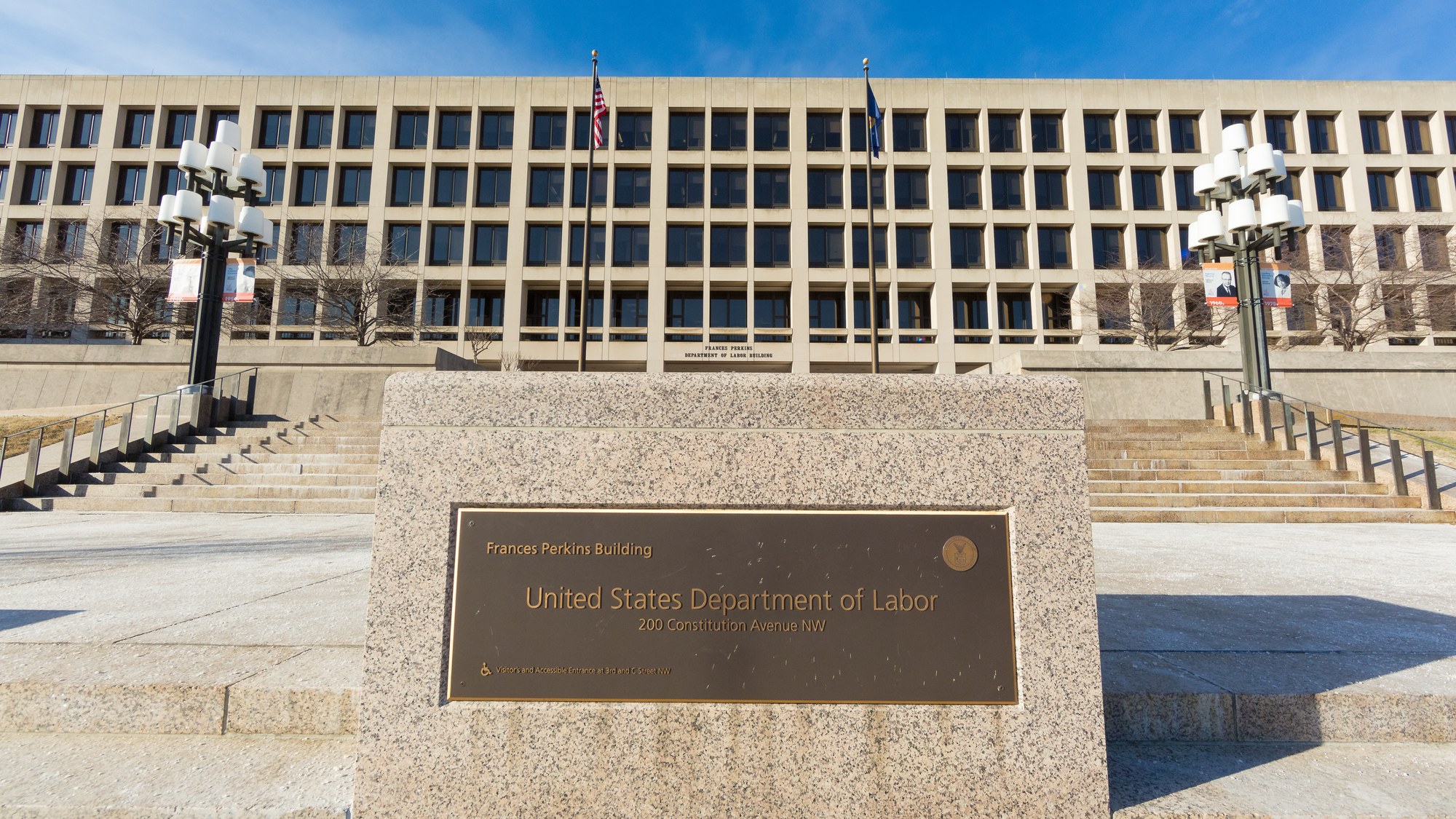
For married participants, most pension plans cannot simply pay a single-life benefit and stop at the retiree’s death. Under federal pension law, the standard form of payment is a qualified joint and survivor annuity, which continues a portion of the monthly benefit, commonly half or more, to the surviving spouse for life. The Department of Labor’s overview of retirement plans describes this default, which exists precisely because a surviving spouse who loses all pension income can be left financially exposed in old age.
That protection comes at a cost the couple sees every month. A joint-and-survivor annuity pays less per month than a single-life annuity, because the same pension has to cover two lifetimes. The reduction reflects the added years the plan may have to keep paying.
Free retirement updates: Keep more of your Social Security and savings with plain-English updates on the changes, deadlines, and costly mistakes retirees miss. Subscribe free.
Waiving it takes a spouse’s signature
Choosing the larger single-life payment is allowed, but not unilaterally. To give up the survivor annuity, a married participant needs the spouse’s written, witnessed or notarized consent, a safeguard meant to ensure the person who stands to lose the income knows it is being forfeited. The Employee Benefits Security Administration’s participant guidance spells out that a spouse must agree in writing before the default survivor protection can be waived.
The consent requirement is the last checkpoint before a consequential trade. A higher monthly check now, in exchange for nothing continuing to the survivor, can look attractive to a couple focused on current cash flow, and it is exactly the decision that leaves some widows and widowers with a sudden drop in household income years later.
Why the choice is so hard to reverse
The election is tied to the moment benefits begin, and that timing is what makes it binding. Once the annuity is in pay status, the form of payment is generally locked; a retiree who selected a single-life benefit typically cannot switch to a survivor option after a spouse’s health declines, and one who took the survivor reduction cannot claw back the higher amount if the spouse dies first. The PBGC’s explanation of benefit options underscores that the annuity form chosen at retirement determines payments going forward.
A few plans build in a limited exception, sometimes called a pop-up, that restores the higher single-life amount if the spouse predeceases the retiree, but it is a feature that must be elected at the start and is not universal. Assuming it exists without confirming it in the plan documents is a common and costly mistake.
Weighing the reduction against the risk
The decision turns on the same factors that drive most pension choices: the health and life expectancy of both spouses, the size of the reduction, and whether other income would cushion a survivor. Some couples decline the survivor annuity and instead use the higher monthly amount to buy life insurance intended to replace the lost income, a strategy that works only if the coverage is affordable, permanent, and actually kept in force. When the policy lapses or was never adequate, the survivor is left with neither.
The protection that applies before retirement
The survivor question does not wait until benefits begin. Federal law also requires most plans to provide a preretirement survivor annuity, which pays a benefit to the spouse if the worker dies after becoming vested but before starting the pension. This safeguard, distinct from the choice made at retirement, means a surviving spouse is not left with nothing simply because death came before the first check. Some plans charge for this coverage by slightly reducing the eventual benefit, and here too a spouse’s consent is generally required to waive it.
Beneficiary paperwork deserves the same scrutiny as the annuity election itself. A pension or its associated death benefit follows the beneficiary form on file, not the instructions in a will, and a form left unchanged after a divorce or remarriage can send money to an unintended person. Reviewing those designations whenever family circumstances shift is a low-effort step that prevents a high-cost error, and it is one of the few parts of the pension decision a retiree can revisit at any time.
For a spouse with little separate retirement income, the automatic survivor benefit is often the safer default the law intended it to be. The reduction feels like a cost while both spouses are alive, and it becomes the difference between security and hardship at the exact point when one of them can least afford a surprise.
This article was produced with the assistance of artificial intelligence and reviewed by The Financial Wire editorial team.
More Financial Reading
- The ideal retirement withdrawal rate so your savings actually last
- Bank statements: how long to keep them and when to toss them