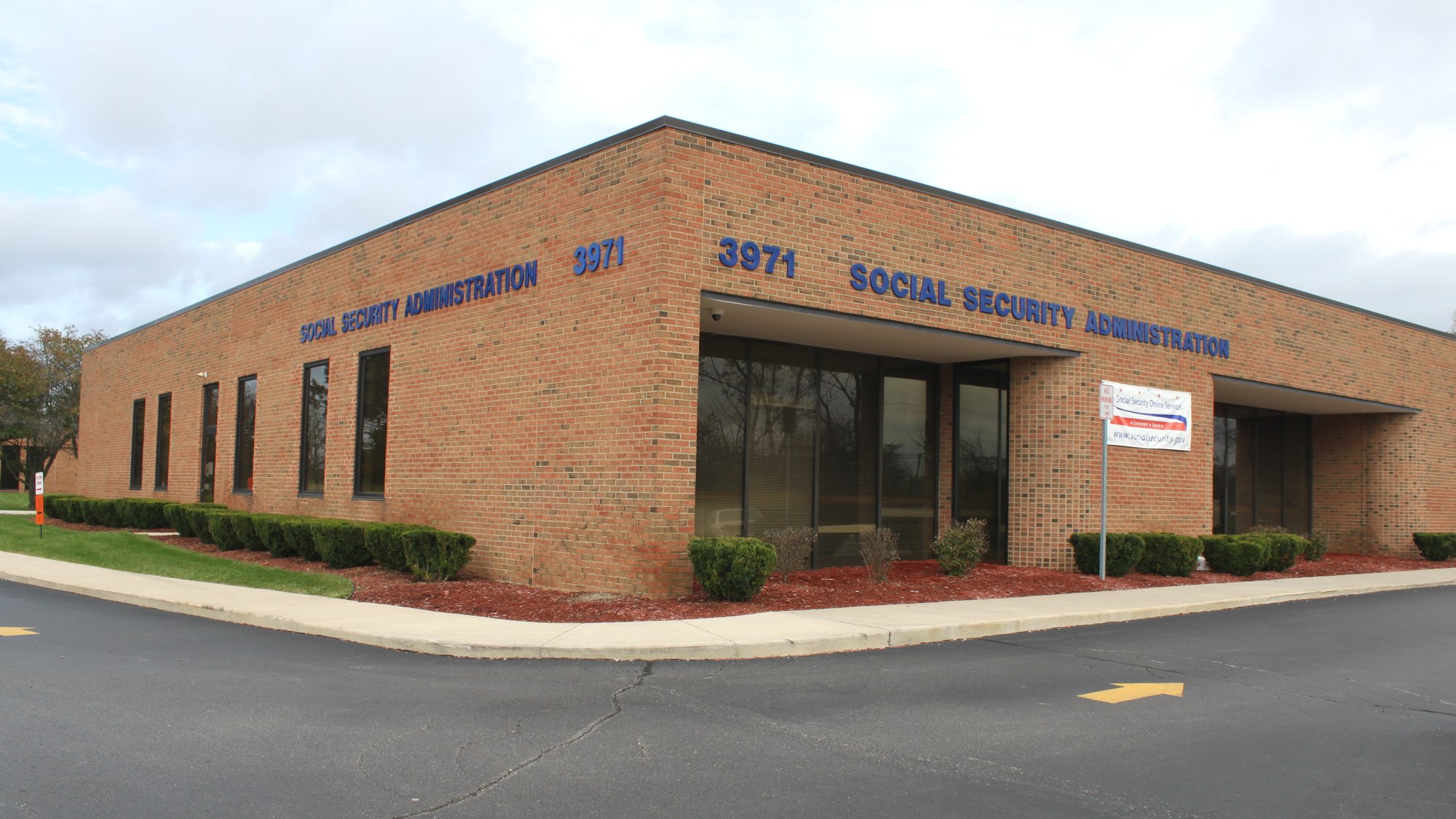
An overpayment notice from the Social Security Administration can arrive with alarming force: a letter stating that benefits were paid in error and that the agency intends to recover the money by holding back a large share of future checks. The current default is steep, taking half of a monthly retirement or disability benefit until the balance is repaid. What the notice makes less obvious is the tight window a recipient has to push back and shrink that monthly bite.
The 50% default withholding rate and where it came from
For overpayment notices dated on or after April 25, 2025, the agency’s standard recovery rate for Title II benefits, which cover retirement, survivors, and disability insurance, is 50% of the monthly payment. That figure represents a middle path. Earlier in 2025 the agency had briefly moved to withhold 100% of a check, effectively zeroing out a beneficiary’s monthly income until an overpayment was cleared, before pulling that policy back, as CNBC reported when the change took effect.
The 50% rate applies to Social Security’s insurance programs. Supplemental Security Income, the needs-based program for low-income older and disabled people, operates under a far gentler default of 10%, reflecting how little cushion those recipients typically have. Knowing which program a benefit falls under determines which rate a notice will apply.
Free retirement updates: Enrollment and claim windows come and go, and missing one can cost real money. The free Retirement Shield newsletter keeps readers ahead of the deadlines that matter. Sign up free.
The 90-day clock that most people miss
The withholding does not begin the instant a letter lands. The agency generally gives a beneficiary a set period after the date of the notice before it starts pulling money from checks, and that same window is the opening to respond. Acting within roughly 90 days is what preserves the strongest options, and in several cases filing the right request within that period can pause collection while the agency reviews the matter, according to the agency’s overpayments guidance.
Letting the window pass without a response is what allows the default 50% to take hold automatically. The distinction between a manageable repayment and a sudden loss of half a check often comes down to whether a recipient answered the letter in time.
Three requests that can change the outcome
A beneficiary who disagrees with a notice or cannot absorb the withholding has three distinct tools, each tied to its own form. The first is an appeal, filed on Form SSA-561, which asks the agency to reconsider whether the overpayment happened at all or whether the amount is correct. This is the route for someone who believes the agency made a mistake.
The second is a waiver, filed on Form SSA-632. A waiver asks the agency to forgive the debt entirely, and it applies when the overpayment was not the person’s fault and repaying it would cause financial hardship or be unfair. The third is a request to lower the withholding rate, filed on Form SSA-634, for someone who accepts the debt but cannot survive on half a check. That request can bring the monthly deduction down to an amount that fits a real budget, stretching repayment over a longer period.
Why filing quickly protects the check
Beyond preserving options, submitting an appeal or waiver within the response window can stop the agency from collecting while it evaluates the case. That pause matters most for people living close to the edge, where even a temporary 50% cut could mean missing rent or a utility bill. Filing is not merely a formality; it is the mechanism that keeps money flowing during the review.
Recipients who do nothing forfeit that protection. The agency proceeds on its default terms, and undoing an established withholding after the fact is harder than heading it off at the start. Documentation of income and expenses strengthens both a waiver and a rate-reduction request, so gathering those records early is part of responding effectively.
How the agency collects when benefits have stopped
Withholding from a monthly check only works while a check is still being paid. When an overpaid person no longer receives benefits, the agency turns to other collection tools. It can bill the person directly, report the debt, and refer an unpaid balance to the Treasury Offset Program, which can intercept a federal tax refund or other federal payments to recover the money. That reach is why ignoring a notice rarely makes the debt disappear; it simply changes the mechanism used to collect it. A person who has left the benefit rolls still has the same three options, an appeal, a waiver, or a negotiated repayment agreement, and acting on them before the debt is referred for offset is far easier than clawing back an intercepted refund afterward.
What to verify the moment a notice arrives
The first step on receiving an overpayment letter is to confirm the essentials: the date on the notice, the program involved, the amount claimed, and the deadline to respond. Those details govern which rate applies and how much time remains. From there, the choice among appealing, seeking a waiver, or requesting a lower rate depends on whether the recipient disputes the debt, cannot afford to repay it, or simply needs a smaller monthly deduction. The agency publishes the forms and instructions for all three paths, and using them within the response window is the difference between a negotiated repayment and an automatic half-check reduction.
This article was produced with the assistance of artificial intelligence and reviewed by The Financial Wire editorial team.
More Financial Reading
- Adding someone to your bank account: tax traps and smart moves
- The ideal retirement withdrawal rate so your savings actually last