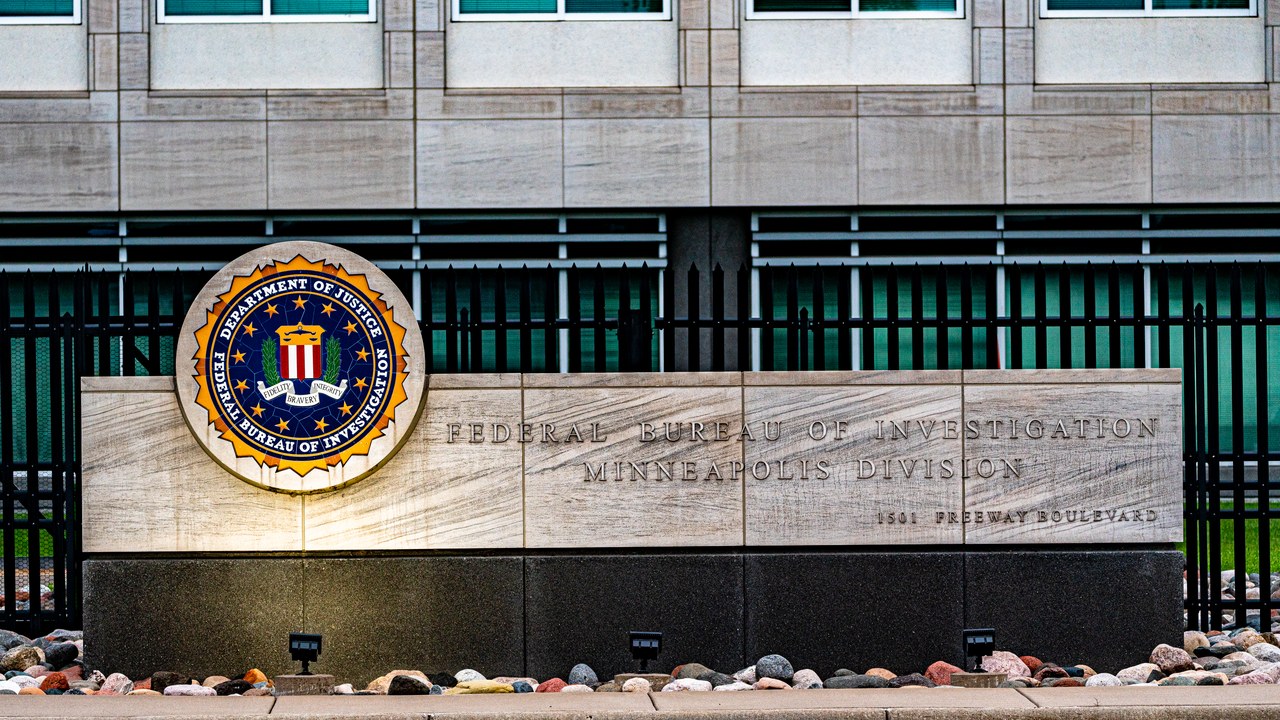
Federal agents have added a former real-estate executive to the FBI’s Most Wanted Fraudsters list, accusing him of orchestrating a Ponzi scheme that drained roughly $650 million from about 2,000 investors before he disappeared. Rey E. Grabato II, who ran National Realty Investment Advisors, is now the subject of an international manhunt, with authorities offering a reward of up to $150,000 for information leading to his arrest. Investigators believe he fled the country.
The case is a reminder that the collapse of a fraudulent fund rarely ends with the money returned. Many of the people who trusted Grabato’s firm were retirees drawn in by promises of steady, high returns, and years after the scheme unraveled the person accused of running it is still at large.
How the NRIA scheme drew in 2,000 investors
As president and majority owner of National Realty Investment Advisors, Grabato marketed the firm as a real-estate operation that could deliver returns as high as 20 percent, according to the FBI Newark field office announcement. Between February 2018 and January 2022, the firm raised about $650 million from roughly 2,000 investors. Prosecutors say the projects generated little genuine profit and that the operation paid earlier investors with money from newer ones, the defining mechanic of a Ponzi scheme.
The charges go beyond the fund itself. Grabato is accused of participating in a scheme to conceal a key executive’s prior fraud conviction from investors by paying online reputation firms to scrub it from search results, and separately of obstructing the Internal Revenue Service from collecting roughly $26 million in tax liabilities. He faces federal securities fraud, wire fraud, and conspiracy charges. He is only the second person named to the bureau’s fraudsters list, a designation reserved for cases the FBI considers among the most serious open financial crimes.
Grabato is not the only executive tied to the collapse, and the contrast is what sharpens his case. The firm’s so-called shadow chief, Thomas Nicholas Salzano, pleaded guilty in 2024 to leading the scheme and was sentenced to 12 years in federal prison, ordered to pay more than $500 million in restitution to victims. NRIA itself filed for Chapter 11 bankruptcy in June 2022, and the Securities and Exchange Commission charged the firm and four executives that September over what it described as a roughly $600 million fraud. Grabato, by contrast, is accused of fleeing before he could be brought to account — investigators believe he escaped to the Philippines — which is why his name landed on a wanted poster rather than a sentencing docket, and why the reward of up to $150,000 is pitched at anyone who has spotted him abroad.
Free retirement updates: Keep more of a Social Security check and savings with plain-English updates on the changes, deadlines, and costly mistakes retirees miss. Subscribe free.
Why retirement savers absorb the losses
Real-estate funds that promise double-digit returns are engineered to appeal to people who need income and are wary of the stock market, a description that fits a large share of retirees. A pitch built around tangible property and a fixed payout feels safer than it is, and the steady checks that arrive in the early years are exactly what a Ponzi scheme produces before it runs out of new money. By the time the payments stop, the principal is usually gone, and clawing back funds from a collapsed operation can take years and return cents on the dollar.
The warning signs are consistent across cases like this one. Returns that are high and unusually smooth, marketing that leans on exclusivity or urgency, and pressure to reinvest rather than withdraw all point toward trouble. Securities regulators note that legitimate investments carry visible risk and normal fluctuation, while a fraud often advertises the opposite. The Securities and Exchange Commission’s investor alert on Ponzi and pyramid schemes lays out the same red flags that recur in nearly every major case.
The checks that stop a fraud before the money moves
The single most effective safeguard is also the least glamorous: confirming that the person and firm selling an investment are properly registered before any money changes hands. Investment advisers and the products they sell are generally registered with the SEC or state regulators, and a background check can surface disciplinary history, complaints, or the absence of any registration at all. The effort to hide an executive’s fraud record in the NRIA case underscores why an independent search matters more than the story a salesperson tells.
Free tools make that verification quick. The SEC’s adviser search and the BrokerCheck database maintained by the Financial Industry Regulatory Authority let anyone look up a firm’s registration and history in minutes. A refusal to provide clear registration details, or a paper trail that does not match the pitch, is reason enough to walk away. Spreading retirement savings across regulated, transparent accounts rather than concentrating it in a single high-yield promise is the structural defense that keeps one bad decision from erasing a nest egg.
For the roughly 2,000 people caught in the NRIA collapse, those checks come too late, and the manhunt for Grabato offers little comfort to investors still waiting to see whether any money is recovered. The FBI’s wanted listings now carry his name alongside the reward, a public marker that the case remains open and that the accused, for now, is beyond reach.
This article was produced with the assistance of artificial intelligence and reviewed by The Financial Wire editorial team.
More Financial Reading
- The ideal retirement withdrawal rate so your savings actually last
- Adding someone to your bank account: tax traps and smart moves