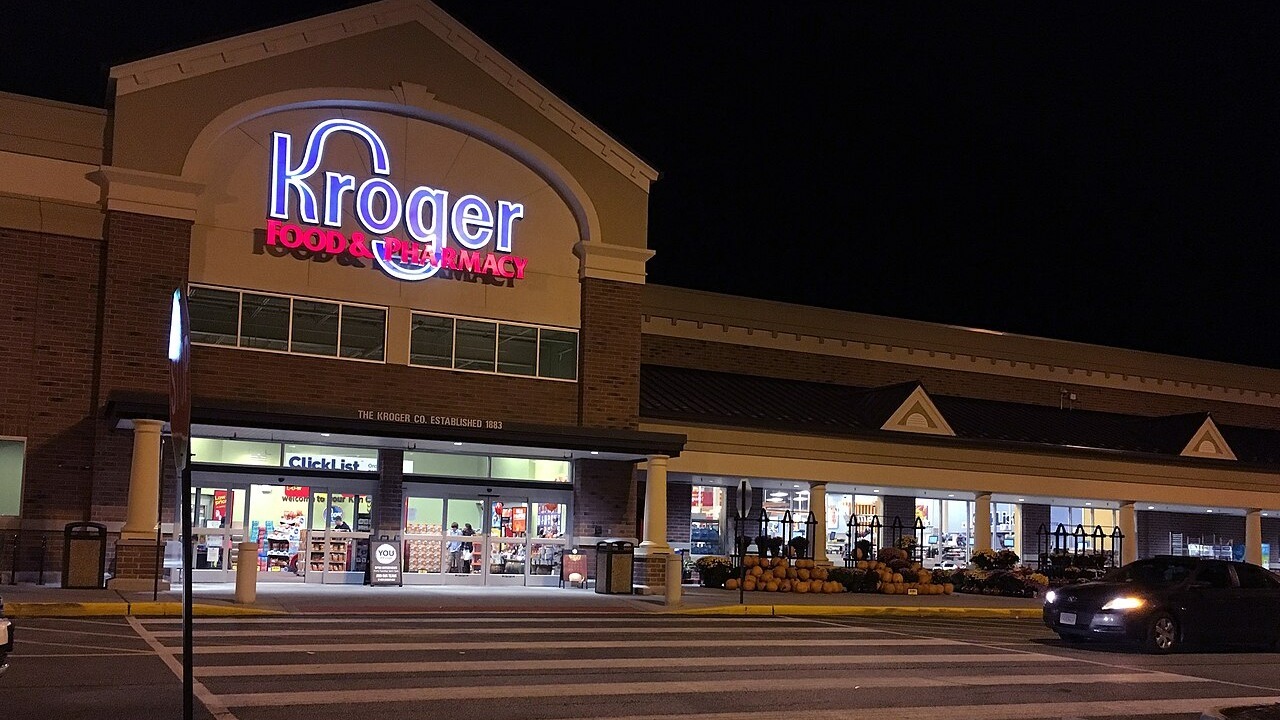
Kroger, the largest traditional supermarket operator in the United States, is working through a plan to close about 60 of its stores. The retailer disclosed the decision in June and has already gone dark at dozens of locations. For the neighborhoods losing a store, the change removes more than a place to buy groceries, because each closing supermarket takes its in-store pharmacy counter with it.
The scope of the closures
Kroger announced on June 20 that it would close roughly 60 stores over about 18 months, a figure equal to close to 5 percent of its Kroger-branded grocery locations. The company recorded a $100 million impairment charge tied to the decision and told investors the closures would have minimal effect on its financial results, since it expects to move sales from shuttered stores to nearby ones and to keep opening new locations.
By mid-August, reporting counted at least 39 of those stores already closed across nine of the company’s grocery banners. Kroger has not published an official list of the affected stores, so the running tallies of locations and states come from journalists compiling local closure notices rather than from the company.
Free retirement updates: Want plain-English help keeping more of your money in retirement? The free Retirement Shield newsletter covers the benefits, deadlines, and money mistakes that cost retirees, a couple times a week. Subscribe free.
What the tallies show about states and banners
Counts assembled from local reports place the closures across roughly 15 states, with trade coverage citing about 16 in the initial announcement. The affected stores span several of Kroger’s regional nameplates rather than a single chain, which is why closures have surfaced from the Pacific Northwest to the Mid-Atlantic and the Southeast. Because the number rests on compiled notices, it can shift as additional locations post closing dates. That also means a shopper cannot rely on a single published map to know whether a particular store is on the list, since the picture is assembled piecemeal from local announcements. A location can appear in the count only once its own closing notice is posted, which tends to give customers limited lead time.
Why the pharmacy counters matter for older shoppers
An in-store pharmacy closes when its supermarket does, and for older customers who fill regular prescriptions, the nearest replacement counter can mean a longer drive. Losing a neighborhood pharmacy is a recognized burden for residents on fixed incomes and limited transportation, who then transfer prescriptions or travel farther for routine refills. Kroger is separately expanding pharmacy access in other markets through an agreement to acquire the regional chain Giant Eagle, a deal that would add supermarkets and standalone pharmacies in several states. Those additions, though, sit in different communities from the ones losing a store this year.
The pharmacy piece often draws less attention than the grocery aisles, but for a retiree managing several maintenance medications, the counter inside a familiar supermarket can be the most-used part of the store. When it closes, prescriptions do not automatically follow to a chosen replacement; a customer or the receiving pharmacy has to arrange the transfer, and refill timing can slip during the handoff. For someone who does not drive or who relies on a nearby store within walking distance, a closure a few miles away changes a routine errand into a logistical problem.
What a closing store means for a prescription
When a supermarket pharmacy closes, prescriptions do not disappear, but they also do not move on their own. A customer can ask any nearby pharmacy to pull the records, and that receiving pharmacy contacts the closing location to transfer active refills. Standard maintenance medications usually move with a single request. Certain controlled substances follow stricter rules and can require a fresh prescription from the prescribing doctor rather than a simple transfer, which adds a step for anyone managing pain, anxiety, or similar medication.
Insurance details and any automatic-refill or 90-day mail-order settings generally have to be re-established at the new pharmacy, and refill timing can slip during the handoff, so filling an extra cycle before a known closing date can prevent a gap in coverage. Kroger has said it works to move prescriptions to nearby stores when a pharmacy shuts, but confirming where the file actually landed, and whether that counter is convenient, falls to the customer. For a household without a car or one that relies on a store within walking distance, the distance to the replacement pharmacy is the detail that matters most, and it is not something the national closure tallies can answer.
A footprint reshuffle, not a retreat
Kroger has framed the closures as a way to concentrate sales in stronger stores rather than a pullback from the grocery business. The company said it would keep opening new locations even as it exits underperforming ones, and it told investors it expects shoppers from a closed store to migrate to nearby Kroger-owned locations. That accounting logic explains why the company described the financial impact as modest despite the one-time impairment charge. For a shareholder, the story is efficiency. For a shopper in a neighborhood without a nearby replacement, the calculation looks different, because a store that absorbs sales elsewhere in a metro area does nothing for a household that loses the only supermarket within easy reach.
The signal for affected communities
Because Kroger has left the specifics to local notices, the most reliable detail for any affected household is the closing date posted at its own store, followed by the location of the pharmacy that will take over its prescriptions. Those two facts, not the national tallies, determine what a closure actually costs a given shopper. Until the company issues a store-level list, the running counts of locations and states will keep moving as new closing dates appear in local reporting.
This article was produced with the assistance of artificial intelligence and reviewed by The Financial Wire editorial team.
More Financial Reading
- Adding someone to your bank account: tax traps and smart moves
- What really happens to your joint savings account when you die?