Medicare has locked in a second round of negotiated prices, and this batch reaches deeper into the medicine cabinets of older Americans than the first did. Federal officials reached agreement with drugmakers on new prices for 15 widely used medicines, headlined by the semaglutide family sold as Ozempic and Wegovy. The reductions run from 38 percent to 85 percent off current list prices, and they are scheduled to take hold at the start of 2027. What any single retiree actually pays at the pharmacy counter, though, still turns on the fine print of their own drug plan.
The second cycle of Medicare price negotiation
The negotiation authority comes from the Inflation Reduction Act, which for the first time let Medicare sit across the table from manufacturers of some of its costliest drugs. The first cycle covered 10 medicines with prices that began in 2026. This second cycle adds 15 more, and the Centers for Medicare & Medicaid Services says it reached agreement with participating manufacturers on all 15 selected drugs, with the new prices effective January 1, 2027. That brings the running total to 25 negotiated drugs once the two cycles are combined.
The agency frames the result as a roughly 44 percent net cut from what Medicare paid for those same 15 drugs the prior year, an amount it pegs near $12 billion in a single year. The medicines were chosen from among the highest-spending Part D drugs that lack generic or biosimilar competition, which is why the list leans toward brand-name treatments that older patients take month after month.
Free retirement updates: Enrollment and claim windows come and go, and missing one can cost you real money. The free Retirement Shield newsletter keeps you ahead of the deadlines that matter. Sign up free.
The drugs on the list and how deep the cuts go
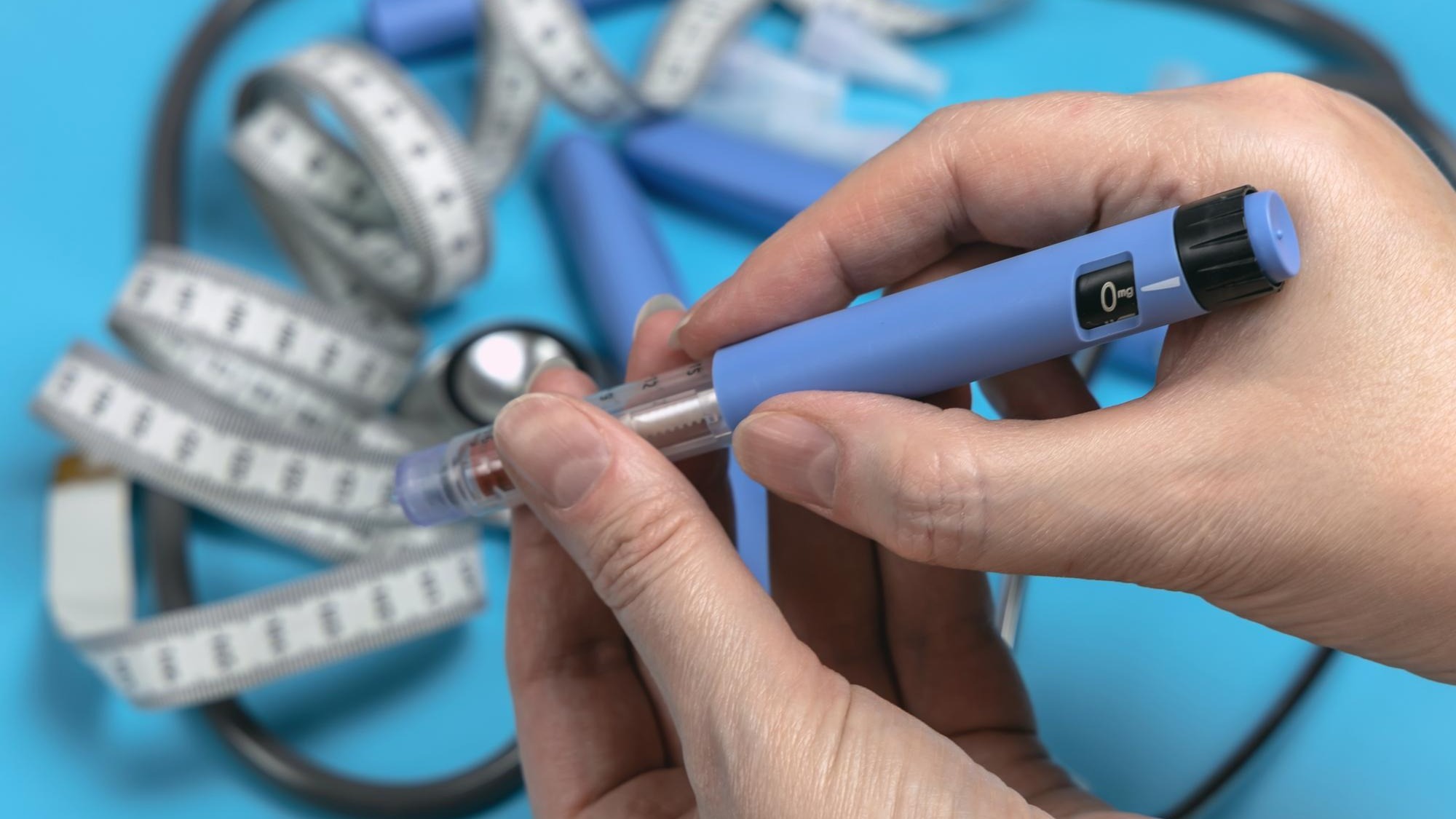
The headline names are the weight-loss and diabetes injectables Ozempic and Wegovy, both forms of semaglutide, which have driven enormous Medicare spending in recent years. They sit alongside diabetes pills, several cancer therapies, respiratory inhalers, and gastrointestinal treatments. The full roster and the specific negotiated figure for each medicine are published on the CMS Selected Drugs and Negotiated Prices page, which lists the maximum fair price next to each drug’s former list price.
The 38-to-85 percent range is wide because the drugs started from very different price points and faced different negotiating dynamics. A medicine already nearing the end of its patent protection tends to see a steeper cut than a newer one. The takeaway for a Medicare household is less about any one percentage and more about the direction: several of the drugs that dominate retiree pharmacy bills are set to cost the program dramatically less.
Why the counter price may not match the headline
The negotiated numbers describe what Medicare and the drug’s manufacturer settle on, not automatically what a beneficiary hands over at the register. A person’s share still depends on their specific Part D or Medicare Advantage drug plan, its formulary tier for that medicine, whether they have met the annual deductible, and where they sit in the plan’s phases of coverage over the year. Two retirees on the same drug can pay different amounts.
There is a separate change working in retirees’ favor, though. The annual out-of-pocket cap on Part D prescription costs, also created by the Inflation Reduction Act, limits how much any enrollee spends on covered drugs in a year. For someone taking an expensive negotiated medicine, that ceiling and the lower negotiated price can compound into meaningful relief. CMS lays out the projected savings in its summary of the 2027 negotiated prices.
What to watch before 2027
Because the prices do not begin until January 1, 2027, this is a change to plan around rather than act on immediately. The most useful move for an older household is to note which of their prescriptions appear on the negotiated list, then re-read their plan’s drug coverage during the fall open enrollment windows in 2026, when plans reset their formularies and cost-sharing. A drug landing on the negotiated list does not guarantee a plan will keep it on a low tier, so comparing plans still matters.
Court challenges from the pharmaceutical industry have shadowed the program from the start, and future cycles will add more drugs each year. For now, the second-cycle agreements are finalized and the effective date is set, which makes this a rare piece of prescription-cost news that points down instead of up for the people who fill these prescriptions most.
This article was researched and drafted with the assistance of AI and reviewed by The Financial Wire editorial team.
More Financial Reading
- Adding someone to your bank account: tax traps and smart moves
- The ideal retirement withdrawal rate so your savings actually last