Millions of Americans enroll in Medicare expecting it to function like the comprehensive health insurance they carried during their working years. Then a dental bill, a quote for hearing aids, or a nursing-home estimate arrives, and the gap becomes painfully clear. Original Medicare, the government-run coverage that pairs hospital and medical benefits, leaves three of the costs retirees most reliably face almost entirely uncovered. Knowing where those gaps sit is the first step toward planning around them.
The three costs Original Medicare leaves out
Original Medicare is built around treating illness and injury, not maintaining teeth, hearing, or day-to-day living. Routine dental work, the hearing aids that a large share of older adults eventually need, and long-term custodial care all fall outside its benefits. These are not obscure exclusions buried in fine print; they are among the most common and predictable expenses of later life, which is precisely why the gaps catch so many retirees off guard when they assume the program covers ordinary health needs.
The exclusions exist by design rather than oversight, a reflection of how the program was originally structured decades ago. That structure has largely held, and it means a retiree relying solely on Original Medicare should expect to pay these particular bills out of pocket or arrange separate coverage for them.
Free retirement updates: Social Security and Medicare change every year, and nobody sends you a memo. Our free Retirement Shield newsletter breaks down what changed and what to do. Get it free in your inbox.
Dental care: cleanings, fillings and dentures on your own dime
For most retirees, the dental gap is the one they run into first. As Medicare explains on its page describing dental services, Original Medicare does not cover most routine dental care, including cleanings, fillings, extractions, dentures, or the devices and procedures that go with them. The program will step in only in narrow circumstances, such as dental work that is a necessary part of a covered medical procedure, and even then the coverage is tightly limited.
The practical effect is that everyday oral health becomes a self-funded expense. A retiree who needs a crown, a set of dentures, or ongoing periodontal treatment is generally paying the full cost unless they carry a separate dental plan. Because dental problems tend to compound when care is delayed, the gap can quietly grow more expensive the longer it goes unaddressed.
Hearing aids: the exam and the devices both fall outside coverage
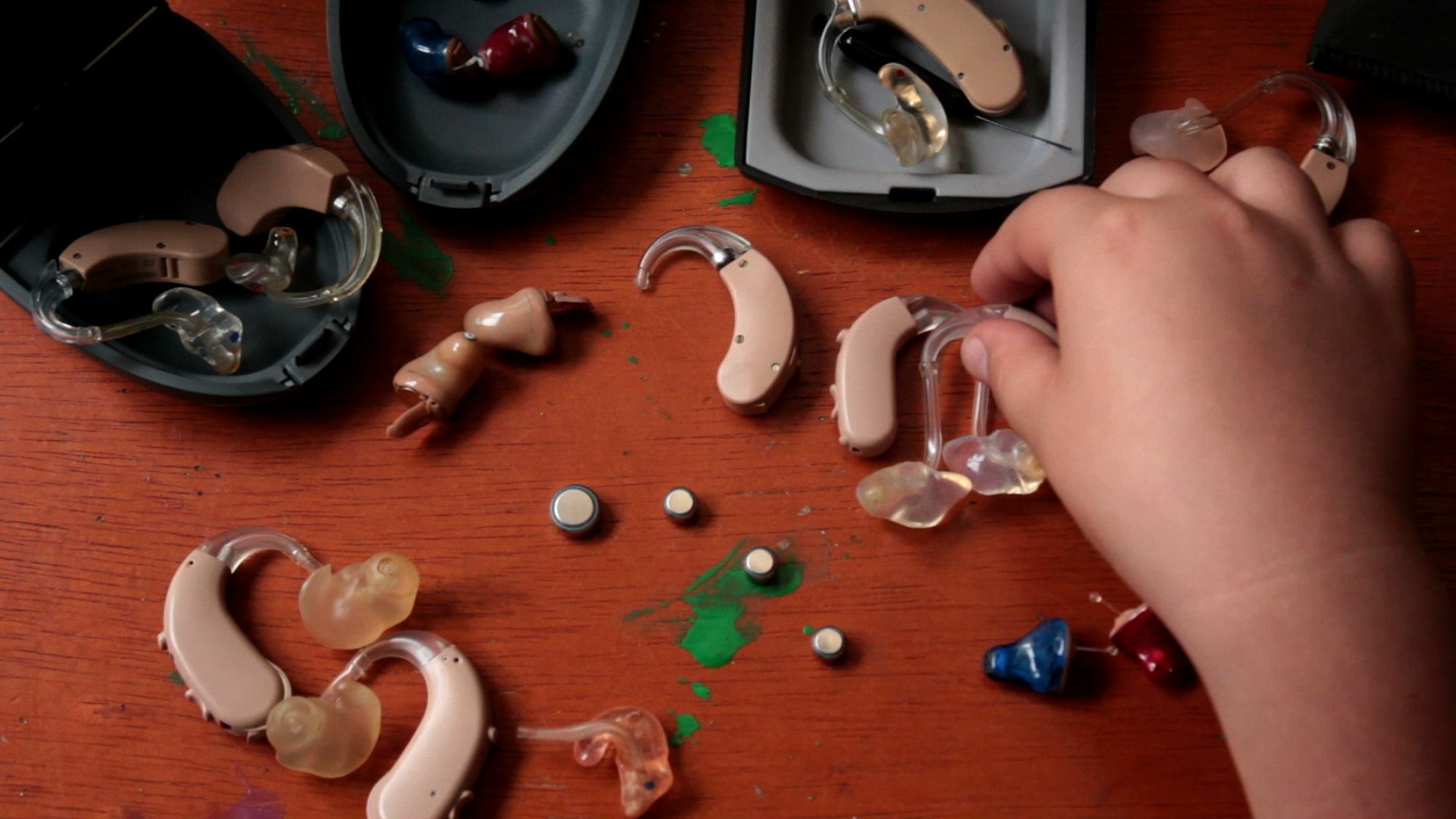
Hearing loss is one of the most widespread conditions among older adults, yet the tools to correct it sit outside Original Medicare almost entirely. According to Medicare’s rules on hearing and balance exams and hearing aids, the program does not cover hearing aids or the exams needed to fit them. It may cover a diagnostic hearing test when a doctor orders it to guide medical treatment, but that is a different service from the fitting and fitting exam tied to buying a device.
Since a pair of hearing aids can represent a significant expense, this gap carries real weight for a household on a fixed income. A retiree budgeting for the coming years is wise to treat hearing aids as a cost that Original Medicare will not absorb, and to weigh whether a plan or supplemental arrangement that includes a hearing benefit is worth the tradeoff.
Where retirees turn to fill the gaps
Because these exclusions are predictable, retirees have a few established ways to cover them, each with tradeoffs. Many Medicare Advantage plans, the private alternative to Original Medicare, bundle in dental, vision, and hearing benefits that Original Medicare omits. Those extras can be genuinely useful, but they often come with annual dollar caps, network restrictions, and rules about which providers and devices qualify, so the coverage is rarely as open-ended as it first appears. A standalone dental plan is another route, as are dental discount programs, though both carry their own premiums and limits that a retiree has to weigh against expected use.
For hearing specifically, some retirees compare the cost of a plan that includes a hearing allowance against simply budgeting for the devices outright. The point is not that any one path is best, but that closing these gaps requires a deliberate choice made in advance. A retiree who maps out how each cost will be covered before it arrives avoids the harder position of facing a large dental, hearing, or care bill with no plan in place.
Long-term care: the biggest gap of all
The largest exposure of the three is long-term custodial care, the day-to-day help with bathing, dressing, eating, and moving that many people eventually need. Medicare’s page on long-term care makes clear that the program generally does not pay for custodial care when that is the only kind of care a person requires, whether it is delivered in a nursing home, an assisted-living setting, or at home.
This gap dwarfs the others in scale. A prolonged stay in a nursing facility can run into figures that overwhelm ordinary savings, and Original Medicare offers no cushion against it. The costs typically fall to personal assets, long-term-care insurance bought ahead of time, or Medicaid for those who meet its income and asset limits. Because these arrangements are far easier to put in place before care is needed, the retirees who fare best are the ones who recognize the gap early and decide how they will cover it, rather than discovering the exclusion at the moment a family member needs help. Read together, the dental, hearing, and long-term-care gaps make the same point: Original Medicare is a strong foundation, but it is not a complete one, and treating it as complete is a costly assumption.
This article was researched and drafted with the assistance of AI and reviewed by The Financial Wire editorial team.
More Financial Reading
- Adding someone to your bank account: tax traps and smart moves
- What really happens to your joint savings account when you die?