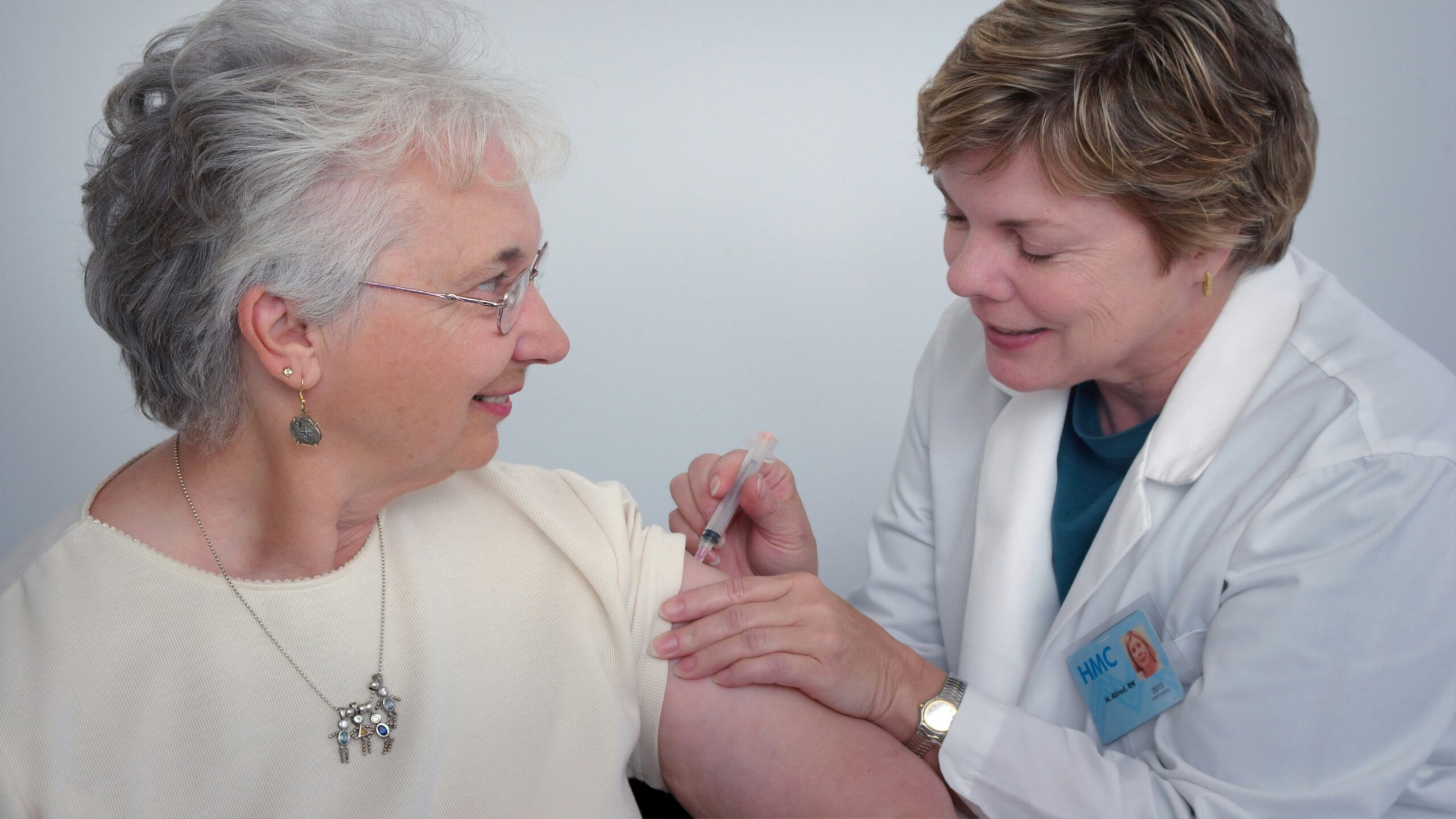
A vaccine that once carried a real out-of-pocket price is now free for most people on Medicare, and many of them do not know it. Recommended adult shots covered through Medicare’s drug plans, including the shingles vaccine and the newer RSV shot, no longer come with a copay or a deductible. The change removes a cost that used to keep older adults from getting protection their doctors recommend.
Which Shots Are Now Free Under Part D
Medicare splits vaccine coverage between two parts of the program, and the recent change applies to the drug side. Part D, the prescription-drug coverage, now covers recommended adult vaccines at no cost to the member, meaning no copay and no deductible when the shot is one the immunization guidelines recommend for that person. The shingles vaccine and the RSV vaccine are the two that matter most to older adults, and both fall under this coverage.
The shingles shot is the clearest example of the difference. Before the change, the vaccine often ran a couple of hundred dollars out of pocket for someone on a drug plan, a price high enough to make many people put it off indefinitely. Removing the cost takes away the main reason enrollees skipped a vaccine that guards against a painful and sometimes disabling condition.
Free retirement updates: Enrollment periods and Medicare changes come with deadlines that are easy to overlook. The free Retirement Shield newsletter helps readers stay ahead of the dates that matter.
The Part B Vaccines That Were Already Free
The no-cost shingles and RSV coverage is easy to confuse with vaccines that Medicare handled differently all along. Part B, the medical-services side of Medicare, has long covered a separate set of shots at no charge, including the seasonal flu vaccine, COVID-19 vaccines, the pneumococcal vaccine that guards against certain kinds of pneumonia, and hepatitis B shots for people at increased risk. Those were never subject to the drug-plan copays.
Understanding the split helps enrollees know where to go. A flu shot is billed through Part B, while a shingles shot is billed through a Part D drug plan. Both are now free to the member, but they travel through different parts of the program, and a pharmacy or clinic needs the right information to process each one correctly.
Why the Change Matters for Shingles and RSV
Shingles is caused by the same virus as chickenpox, which stays dormant in the body for decades and can reactivate later in life. The risk climbs with age, and a severe case can leave lasting nerve pain that lingers long after the rash clears. Public-health guidance recommends the two-dose vaccine for older adults, and the removal of the copay directly targets the cost barrier that had kept vaccination rates lower than health officials wanted.
RSV, a respiratory virus that can be dangerous for older adults and those with heart or lung conditions, is a newer addition to the adult vaccine schedule. Because it is recent, many enrollees are not aware they can get the shot, let alone that Medicare’s drug coverage now provides it at no cost. According to Medicare’s description of Part D costs, the elimination of cost-sharing for recommended vaccines is meant to close exactly that awareness-and-affordability gap.
How to Make Sure There Is No Charge
Free coverage still depends on getting the shot the right way. For a Part D vaccine, the surest path is a pharmacy that is in the plan’s network and can bill the drug plan directly, so the member walks out without paying. Presenting the Part D plan card, rather than only the red-white-and-blue Medicare card, helps the pharmacy route the claim correctly.
Problems tend to arise when a shot is given somewhere that bills it the wrong way, or when a provider is out of network. An enrollee who is charged for a recommended vaccine should ask whether it was billed through the correct part of Medicare, since a billing error, not a coverage gap, is often the cause. Confirming coverage with the plan before the appointment avoids the surprise entirely.
A Benefit That Only Helps If It Is Used
The cost of the shingles and RSV vaccines was, for a long time, the quiet reason many older adults went without them, and that reason has now been removed. The protection is only as good as the number of people who claim it, and health officials have pointed to persistently low uptake as the remaining problem. For a retiree weighing whether to bother, the calculation has shifted: the financial obstacle is gone, and what remains is a recommended shot available at no charge through a Part D plan or, for the Part B vaccines, through the medical side of Medicare.
This article was researched and drafted with the assistance of AI and reviewed by The Financial Wire editorial team.
More Financial Reading
- How many CDs can you park at 1 bank? FDIC rules you must know
- Bank statements: how long to keep them and when to toss them