The number of stores expected to close across the United States this year is on track to run into the thousands, and the impact lands hardest on people who cannot easily drive an extra 20 minutes for a prescription or a bag of groceries. Retail analysts who track store openings and closings are projecting close to 7,900 closures in 2026. That figure is a forecast, not a final count, but the closures already announced make clear which way the year is heading.
What the 7,900 figure actually represents
The projection comes from retail-industry trackers that tally announced closures and model the pace for the rest of the year. As TheStreet has reported, the estimate reaches toward 7,900 storefronts nationwide, a level that would outpace the prior year. It is an analyst expectation rather than a settled tally, and the real total will depend on decisions retailers have not yet made.
What is not a forecast is the base already on the books. More than 1,200 U.S. store closures have been formally announced so far, spanning grocery chains, pharmacies and department stores. Those confirmed shutdowns are the floor the projection builds on, and they are enough on their own to reshape shopping options in a lot of neighborhoods. For an older resident, the distinction between “projected” and “announced” matters less than the practical question of whether the nearby store will still be open next month.
Free retirement updates: A quiet rule change or a closed location can shrink a benefit or a budget before anyone notices. The Retirement Shield newsletter flags the shifts that touch a Social Security or Medicare check, in plain English and free of charge. See the changes that can quietly cost retirees money.
Grocery and pharmacy closures hit older shoppers first
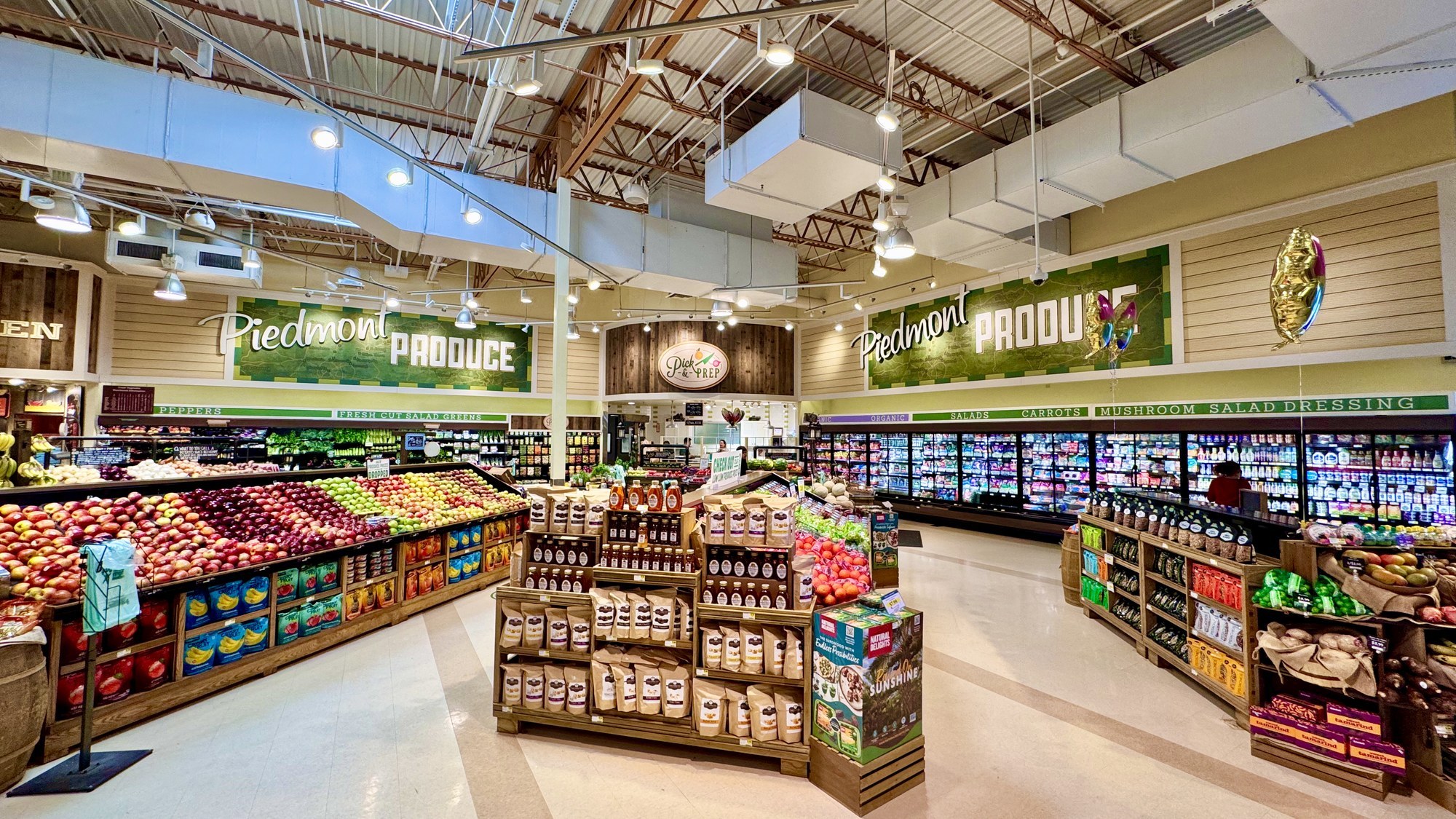
Not all closures are equal for retirees. When a clothing store shuts, the loss is an inconvenience. When a grocery store or pharmacy closes, it can sever access to food and medication for people who depend on both being close by. Kroger, the country’s largest supermarket operator, has said it will close roughly 60 underperforming stores over about 18 months, a plan that leaves affected shoppers to move prescriptions and drive farther for basics. Pharmacy chains have layered their own closures on top of that, retiring hundreds of locations as they shrink their footprints.
The department-store retreat compounds the effect in malls and shopping centers that older shoppers still use for essentials and services. Newsweek’s running list of 2026 closures shows the breadth of the pullback across formats. Each shuttered location can turn a short errand into a half-day trip for someone who no longer drives at night or over long distances.
Why a closed pharmacy is more than an inconvenience
Losing a neighborhood pharmacy creates specific problems for older adults. Prescriptions have to be transferred to another location, which can interrupt refills of medications that are not meant to be skipped. Pharmacists who knew a customer’s full list of drugs and could flag a dangerous interaction are replaced by a new counter that has to rebuild that picture. And the remaining pharmacies inherit more customers, which can mean longer waits and thinner stock.
The phenomenon has a name in public-health circles: a pharmacy desert, an area where the nearest option is too far for many residents to reach easily. As closures concentrate in lower-traffic and rural areas, those deserts widen, and the people left inside them are disproportionately old, on fixed incomes and managing chronic conditions that require steady medication.
The economics behind the retreat explain why it is unlikely to reverse quickly. Chains are closing stores that no longer clear a profit as shoppers shift spending online and as pharmacy reimbursement squeezes margins. Those pressures push companies toward fewer, larger locations, a strategy that can look sound on a balance sheet while leaving specific neighborhoods stranded. A store’s performance for its owner and its value to an 80-year-old two blocks away are measured on entirely different scales, and it is the first measure that decides whether the doors stay open.
Steps that soften the blow
Retirees cannot stop a chain from closing a location, but a few moves reduce the disruption. Confirming where a prescription will transfer before a local pharmacy’s final day keeps refills from lapsing. Mail-order pharmacy options through a Medicare drug plan can cover routine, long-term medications without a drive. Consolidating prescriptions at a single surviving pharmacy helps one pharmacist keep watch for interactions. And for groceries, checking whether a store offers delivery or curbside pickup can bridge the gap when the nearest full-service supermarket moves out of reach.
The 7,900 projection will rise or fall as the year plays out, and no one should treat it as a certainty. What is certain is the direction: with more than 1,200 closures already confirmed and major grocery and pharmacy chains among them, the map of where older Americans can reach food and medicine is being redrawn in real time, and the households with the fewest transportation options are the ones feeling it first.
This article was researched and drafted with the assistance of AI and reviewed by The Financial Wire editorial team.
More Financial Reading
- How many CDs can you park at 1 bank? FDIC rules you must know
- The ideal retirement withdrawal rate so your savings actually last