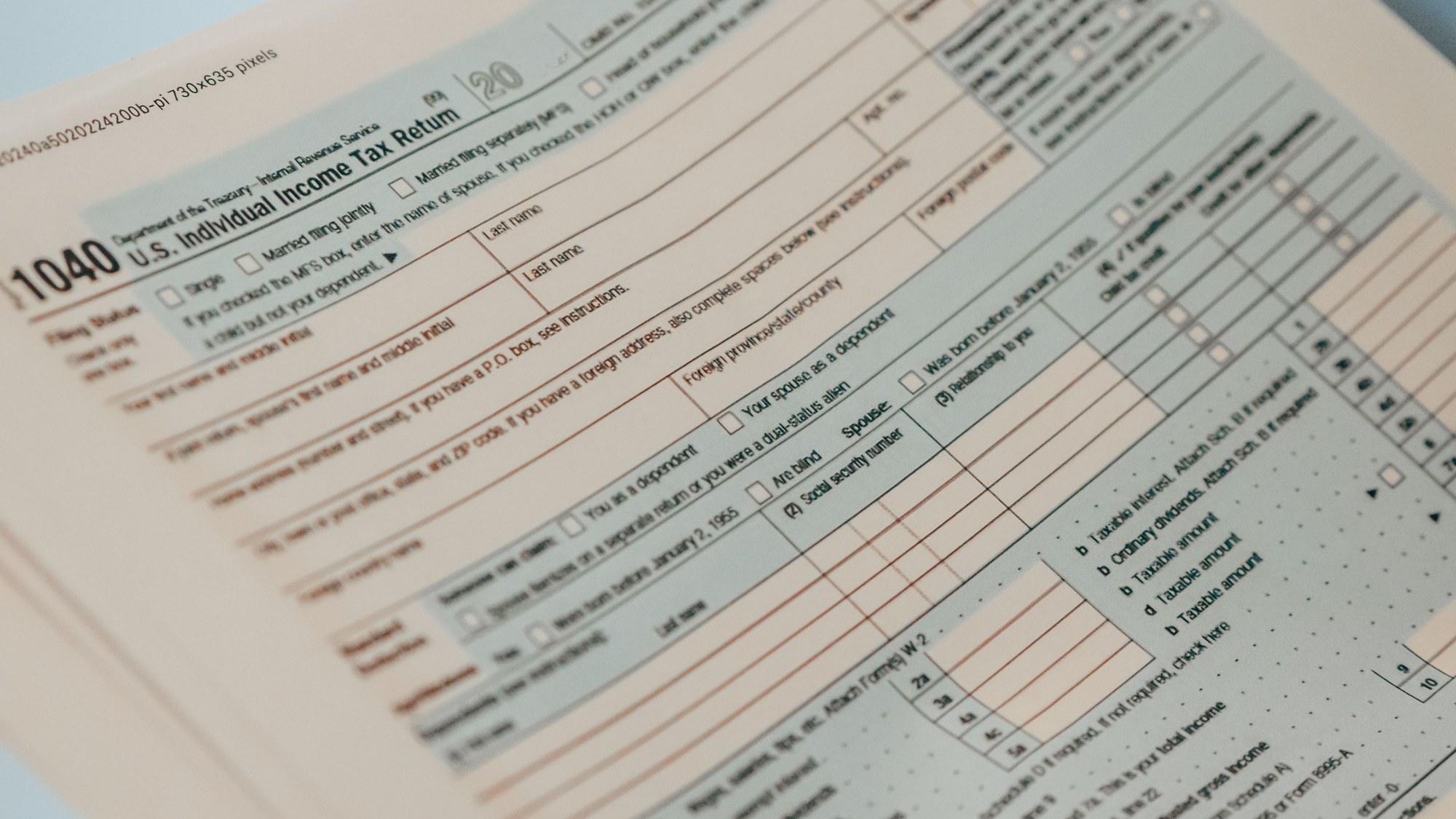
After the Supreme Court struck down President Trump’s sweeping emergency tariffs, a group of Senate Democrats moved to answer the question the ruling left open: how, and how fast, does the government hand back the money it collected? Their answer is the Tariff Refund Act, a proposal that would require the full return, with interest, of more than $175 billion in duties the Court found were imposed unlawfully. The bill has not become law, and its path is uncertain, but it sets out a concrete timetable and a clear order of priority for who gets paid first.
What the Supreme Court actually decided
The legislation follows a landmark ruling in which the Supreme Court, by a 6-3 vote, held that the tariffs Trump imposed under the International Emergency Economic Powers Act exceeded his authority. That law lets a president respond to genuine national emergencies, but the Court concluded it did not authorize the broad, across-the-board import taxes the administration applied to goods from nearly every country. The decision invalidated the legal basis for the duties, which raised costs on imported products and, through those higher costs, on the American households that ultimately bought them.
Striking the tariffs down, however, did not automatically send the money back. That is the gap the bill’s sponsors say they are trying to close, arguing that without a defined process the refunds could be slow, opaque, and skewed toward the largest players.
Free retirement updates: Want plain-English help keeping more money in retirement? The free Retirement Shield newsletter covers the benefits, deadlines, and money mistakes that cost retirees, a couple times a week. Subscribe free.
What the bill would require, and by when
The measure, co-led by Senators Ron Wyden and Ed Markey and joined by more than twenty colleagues, would direct U.S. Customs and Border Protection to complete the refunds within 180 days and to pay interest on the amounts returned. According to the sponsors’ announcement of the Tariff Refund Act, the bill would also bar the agency from forcing importers to take costly administrative steps just to receive money the Court already ruled was collected unlawfully.
Oversight is built in. The proposal would require Customs and Border Protection to report to Congress every 30 days on the status of the refunds until every dollar is returned, giving lawmakers a running account of the agency’s progress. The full text of the measure is posted through the Senate Finance Committee.
Who would actually get the checks
An important detail can be lost in the headline figure: the refunds would flow to the importers of record who paid the duties, not to consumers directly. Tariffs are charged to the companies that bring goods into the country, and those firms — from large corporations to small businesses — are the parties the government would reimburse. The bill’s design reflects that reality, and its sponsors say they wrote it specifically to keep smaller importers from being crowded out.
To that end, the measure would instruct the agency to prioritize the interests of small businesses in paying refunds and to coordinate with the Small Business Administration to provide information and technical support. The concern driving that language is that, without a simple and accessible process, large importers with outside lawyers and consultants would be positioned to recover their money faster than a small firm handling the paperwork alone.
Why the outcome still matters to retirees
Older Americans on fixed incomes did not pay these tariffs at the customs line, but many felt them at the register. Import taxes raise the landed cost of goods, and those costs tend to show up in retail prices on everything from appliances to groceries. To the extent the duties pushed consumer prices higher, unwinding them — and returning the revenue to the importers who fronted it — bears on the broader cost-of-living picture that shapes a retirement budget. The administration itself has previously acknowledged that unlawfully collected duties would have to be refunded with interest, as reported when a top official addressed the question in the fall of 2025 and covered by outlets including Politico.
The uncertainty that remains
None of this is settled. The Tariff Refund Act is a proposal, introduced but not enacted, and its prospects depend on the votes it can gather in a divided Congress. Even the mechanics of any refund — timeline, process, and eligibility — remain unclear absent legislation or firm administrative guidance, which is precisely the vacuum the sponsors say their bill would fill. What is fixed is the Supreme Court’s judgment that the tariffs were imposed without legal authority. Whether the money moves in an orderly 180-day window with small businesses at the front of the line, or through some slower process the administration defines on its own, is the question this bill would answer if it becomes law. For now, it stands as a marker of how one chamber proposes to turn a court ruling into cash back in the hands of those who paid.
This article was produced with AI assistance and reviewed by The Financial Wire editorial team.
More Financial Reading
- The ideal retirement withdrawal rate so your savings actually last
- Bank statements: how long to keep them and when to toss them