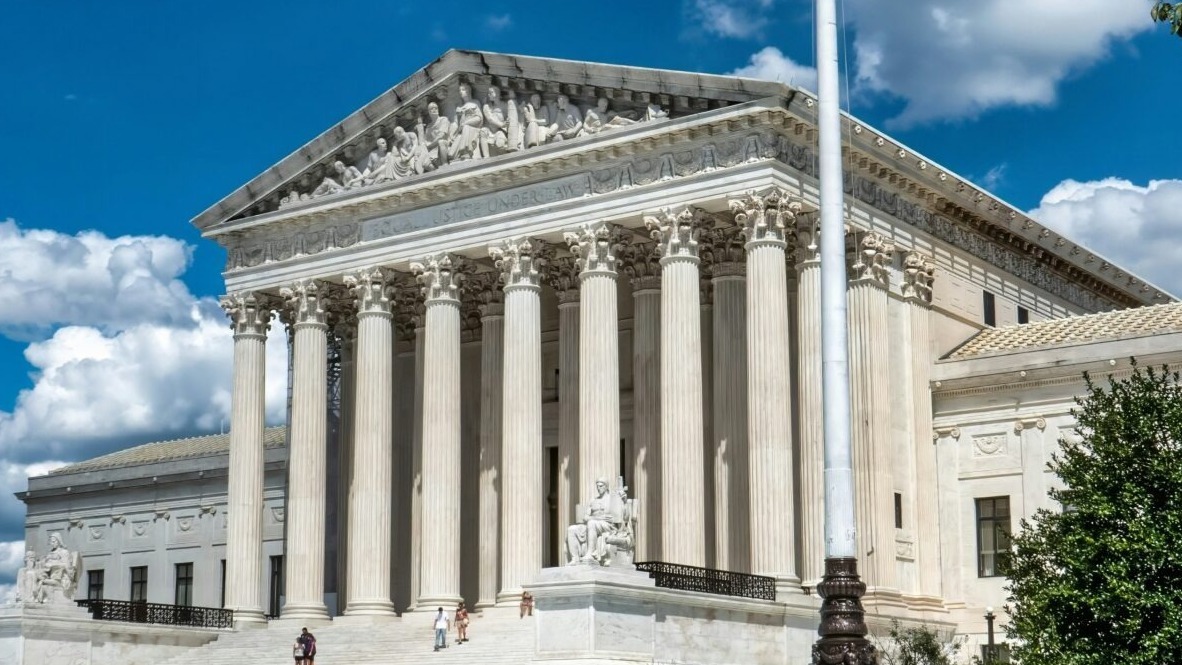
The U.S. Court of Appeals for the Fifth Circuit has turned back the pharmaceutical industry’s latest attempt to unravel Medicare’s drug price negotiation program, leaving the government’s negotiating authority intact just as a second group of drugs moves toward lower prices. A three-judge panel ruled unanimously on August 26, 2026, rejecting arguments from the Pharmaceutical Research and Manufacturers of America and two allied trade groups.
A Voluntary Program, Not a Forced Sale
PhRMA, joined by the National Infusion Center Association and the Global Colon Cancer Association, argued that the negotiation program was unconstitutional and unfairly penalized manufacturers that declined to take part in it. The program itself traces back to the Inflation Reduction Act, the 2022 law that first gave Medicare the authority to negotiate prices directly with drugmakers for a growing list of high-cost medications. Judges appointed by Presidents Bush, Obama and Trump heard the case together and found no merit in the industry’s claim, according to Patients For Affordable Drugs, which tracks the litigation nationwide.
Writing for the panel, Judge Leslie Southwick explained that a manufacturer has no protected right to sell into Medicare and Medicaid at a price of its own choosing, because selling into those programs at all is optional. A company that objects to the negotiated price can simply decline to participate in Medicare and Medicaid altogether, the court reasoned, so nothing is being taken from it by force. That reasoning has now carried the day in front of multiple appellate panels across the country, each asked to weigh the same basic argument from a different manufacturer or trade group.
Free retirement updates: One number can cost or save hundreds a month in retirement. The free Retirement Shield newsletter surfaces the ones worth knowing. Sign up free.
Fifteen More Drugs Head Toward January
While the courtroom fight continued, the negotiation program itself kept moving on its own schedule. CMS selected 15 drugs covered under Medicare Part D for its second negotiation cycle in January 2025, and the agency’s own announcement confirmed that every manufacturer involved agreed to negotiate rather than exit the Medicare and Medicaid markets entirely. About 5.26 million people with Medicare Part D coverage used at least one of these drugs between November 2023 and October 2024, the period CMS’s own fact sheet used to determine which medications qualified. The list includes widely prescribed treatments for diabetes, asthma, psoriasis and several types of cancer, and the newly negotiated prices for all 15 drugs take effect on January 1, 2027.
That timeline does not shift because of the Fifth Circuit’s ruling. CMS’s program overview page lays out the full negotiation calendar, and nothing in the pending litigation has paused or delayed the second cycle at any point since it began. For beneficiaries taking one of the affected medications, the practical effect of this ruling is that the January 2027 pricing stays on schedule instead of getting tied up in a court-ordered injunction while an appeal plays out.
Nothing Changes for Enrollees Right Now
Beneficiaries taking one of the 15 second-cycle drugs do not need to do anything to benefit from the new pricing. The negotiated amounts apply automatically to Medicare Part D plans once they take effect on January 1, 2027, the same way the first round of ten negotiated drugs took effect at the start of 2026. No enrollment change, new form or plan switch is required to receive the lower price at the pharmacy counter.
What the Fifth Circuit’s ruling actually protects is the certainty of that January 1, 2027 date. Had the panel sided with PhRMA, the most likely outcome would have been a court order pausing some part of the program while the underlying legal questions were resolved, which could have pushed the new prices past their scheduled start. With that risk removed for now, CMS can continue implementing the second cycle exactly as planned, and manufacturers who already agreed to negotiate remain bound to the prices they accepted.
A Pattern the Industry Cannot Break
The Fifth Circuit’s decision was not an isolated loss for the drug industry. Patients For Affordable Drugs counted it as the 25th court ruling in the program’s favor since manufacturers began filing suit after the negotiation authority became law, with challenges already rejected by the Second, Third, Fifth and D.C. Circuits. Every appellate panel that has reached the merits of a constitutional claim against the program has so far sided with the government’s position that participation in Medicare and Medicaid is voluntary.
“This fight has always been about power,” said Merith Basey, chief executive of Patients For Affordable Drugs, in a statement responding to the ruling. “For decades, the pharmaceutical industry prevented Medicare from negotiating a better deal for American patients and taxpayers.” Basey argued the ruling sends a message that the negotiation program is not going away, regardless of how many more lawsuits manufacturers choose to file.
That losing streak has not stopped manufacturers from continuing to litigate elsewhere. Separate lawsuits from individual drugmakers remain pending in other courts, and the industry has signaled it intends to keep pressing its case even as one circuit after another declines to intervene. For now, though, the ruling means Medicare’s negotiating authority stands exactly as Congress wrote it, with no court-ordered exception carved out for any manufacturer that has asked for one.
This article was produced with AI assistance and reviewed by The Financial Wire editorial team.
More Financial Reading
- The ideal retirement withdrawal rate so your savings actually last
- How many CDs can you park at 1 bank? FDIC rules you must know