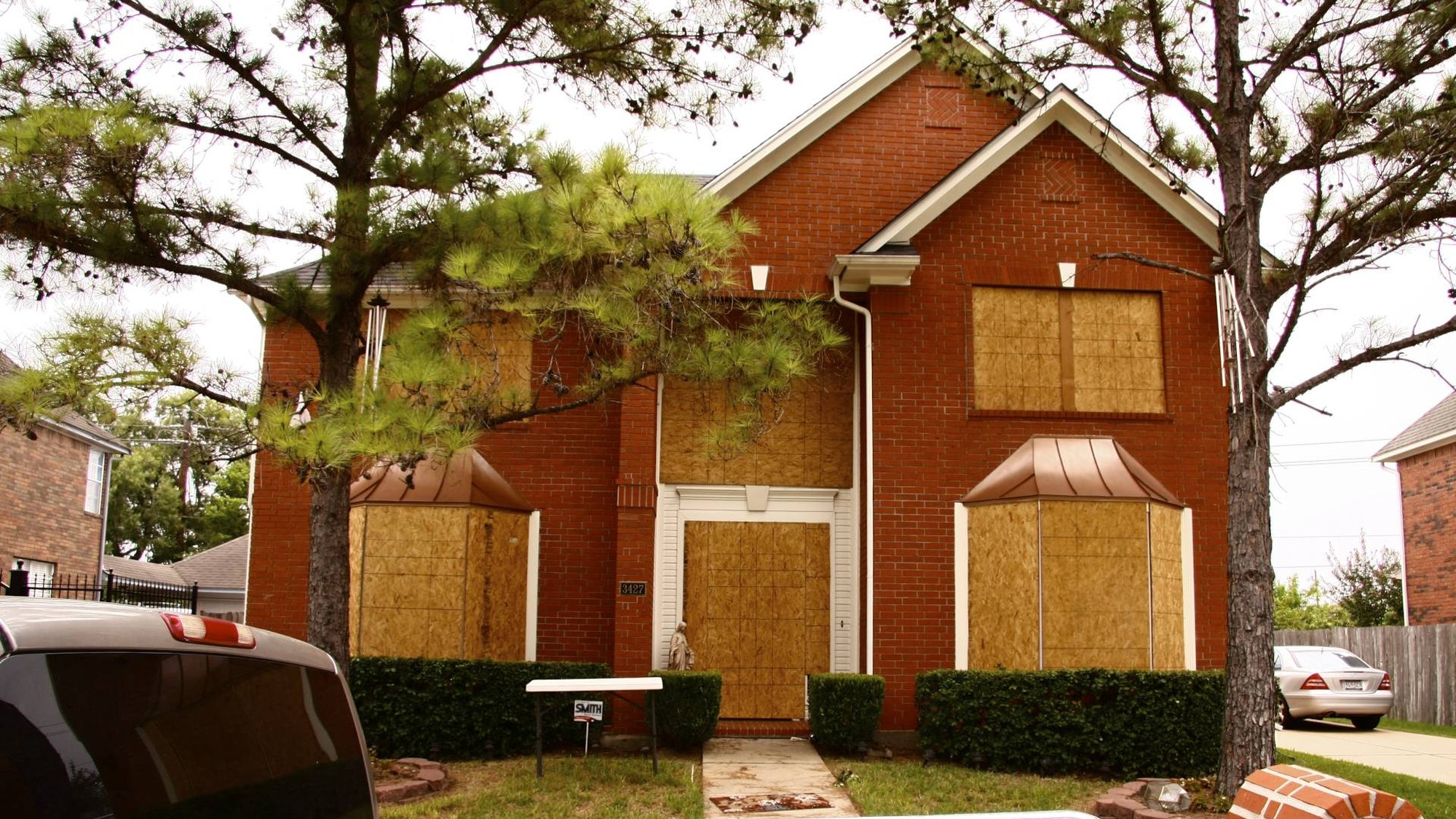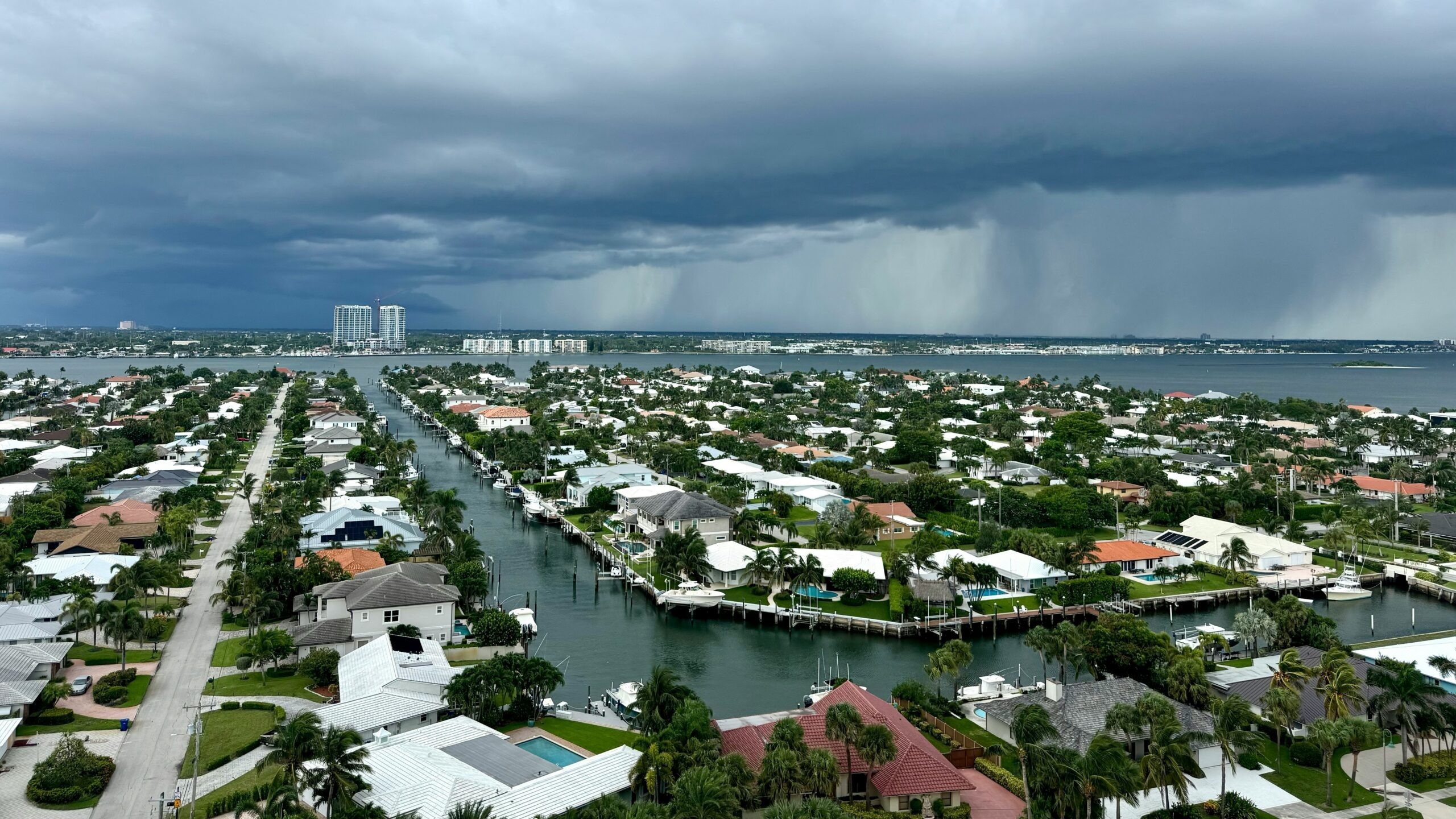
State insurance regulators had never assembled a single national picture of how often companies decline to renew a homeowner’s policy, until now. The National Association of Insurance Commissioners published that analysis on August 5, 2026, drawing on seven years of data collected directly from insurers by state regulators. It found company-initiated non-renewals climbing in every region of the country between 2018 and 2024, with the hardest-hit region seeing the rate more than triple. For an older homeowner on a fixed income, a non-renewal notice arrives with no warning and often forces a scramble for costlier replacement coverage.
A First Nationwide Count Of Non-Renewals
The report, titled Examining Homeowner Property Insurance Market Dynamics: An Assessment of Countrywide State-Level Data From 2018 to 2024, pulls from the Market Conduct Annual Statement, a data set every licensed homeowners insurer already reports to state regulators every year so departments can monitor how companies treat policyholders. Individual states have used pieces of that data for years in their own market conduct exams, but according to the NAIC’s own summary of the findings, this is the first time the data has been compiled into a single seven-year national picture. The report shows 715 companies were still writing homeowners coverage in 2024, and underwriting results actually improved across all four NAIC geographic regions that year.
Set against that broad participation, the non-renewal trend stands out. Company-initiated non-renewal rates rose between 96% and 216% depending on region over the six years studied. A 96% increase roughly doubles the earlier rate; a 216% increase means the rate more than tripled, which is the calculation behind the headline figure. Company-initiated non-renewal is a distinct category from a policyholder simply switching insurers or a policy being canceled mid-term for nonpayment; it specifically counts cases where the insurer itself declines to offer a new policy term to an existing customer, often because the company is pulling back its overall appetite for risk in a given area rather than reacting to that particular household’s claims history.
Premiums moved in the same direction. Average premium per policy rose in every NAIC region since 2018, with inflation-adjusted increases ranging from 18.3% to 43.3% over the period, translating to yearly increases of roughly 2.4% to 5.3%. Regulators framed the report as a baseline for future analysis rather than a finished picture, since state insurance departments are still working through the specifics county by county, and the fact that underwriting results improved in 2024 even as non-renewals climbed suggests insurers regained profitability partly by shedding the riskiest policies rather than by pricing every existing customer back to health.
Free retirement updates: A quiet rule change can shrink a Social Security or Medicare check, and no one sends a warning. The free Retirement Shield newsletter catches these early and explains what to do. Get it free.
The West Saw Non-Renewals Triple While Other Regions Roughly Doubled
The full report, available through the NAIC’s market conduct research page, breaks the non-renewal trend down by the agency’s four geographic regions rather than by individual state, and the gap between them is wide. Regulators tied the steepest increases to regions carrying the heaviest exposure to wildfire and severe convective storms, where insurers have pulled back capacity after years of mounting claims. Milder increases showed up in regions with more stable weather patterns and more insurers still competing for business. The NAIC was careful to note that homeowners insurance “remains a local market,” shaped by weather risk, rebuilding costs, claims patterns and how many insurers are willing to write policies in a given area, so a homeowner in one county can face a very different renewal experience than a homeowner two counties over.
That local variation is also why a single national average understates the risk for anyone living in a harder-hit pocket of the country. A homeowner in a region near the 96% end of the range has watched non-renewals roughly double since 2018, a serious shift on its own; a homeowner in a region near the 216% end has watched the rate more than triple over the same six years, meaning a policy that was already a coin flip to be renewed in 2018 is now considerably less likely to be renewed at all.
Claims Costs Accelerated After 2021, Data Shows
Claim frequency and severity also climbed over the study period, and the increase was not steady. The NAIC’s analysis found the sharpest jumps came between 2021 and 2024, the same stretch during which construction and repair costs rose quickly and several regions absorbed a run of costly storm and wildfire seasons. Frequency and severity measure two different things: frequency tracks how often a policy generates a claim at all, while severity tracks how expensive the average claim turns out to be once filed. Both climbing at once, particularly after 2021, points to a combination of more frequent weather events and a higher repair bill for each one, a pairing that squeezes an insurer’s underwriting math from both directions simultaneously.
That timing matters for homeowners trying to understand why a policy without any claims history can still be dropped. A non-renewal is a company-wide underwriting decision, not necessarily a penalty for an individual’s claims record, and insurers can choose to shrink their exposure in an entire ZIP code or county at once when their own loss numbers move against them. A homeowner who has never filed a claim can still receive a non-renewal notice if the insurer has decided the surrounding area, not the individual policy, no longer fits its risk appetite.
A Deeper Data Call Is Already Underway
Regulators describe this report as a first step. The NAIC is currently running a separate, more detailed Homeowners Market Data Call, which will examine coverage availability, costs, claims experience and mitigation programs at a finer level than the seven-year baseline released in August. State insurance departments plan to use that additional data, expected in the months ahead, to evaluate whether targeted fixes such as wildfire-mitigation credits, roof-hardening discounts or expanded state-run insurer-of-last-resort plans are keeping pace with the non-renewal trend documented in the current report. Homeowners who receive a non-renewal notice can check a state’s own consumer-facing homeowners insurance guidance, including the NAIC’s own homeowners insurance resource page, before assuming replacement coverage will simply cost the same as the policy being dropped.
This article was produced with AI assistance and reviewed by The Financial Wire editorial team.
More Financial Reading
- How many CDs can you park at 1 bank? FDIC rules you must know
- What really happens to your joint savings account when you die?