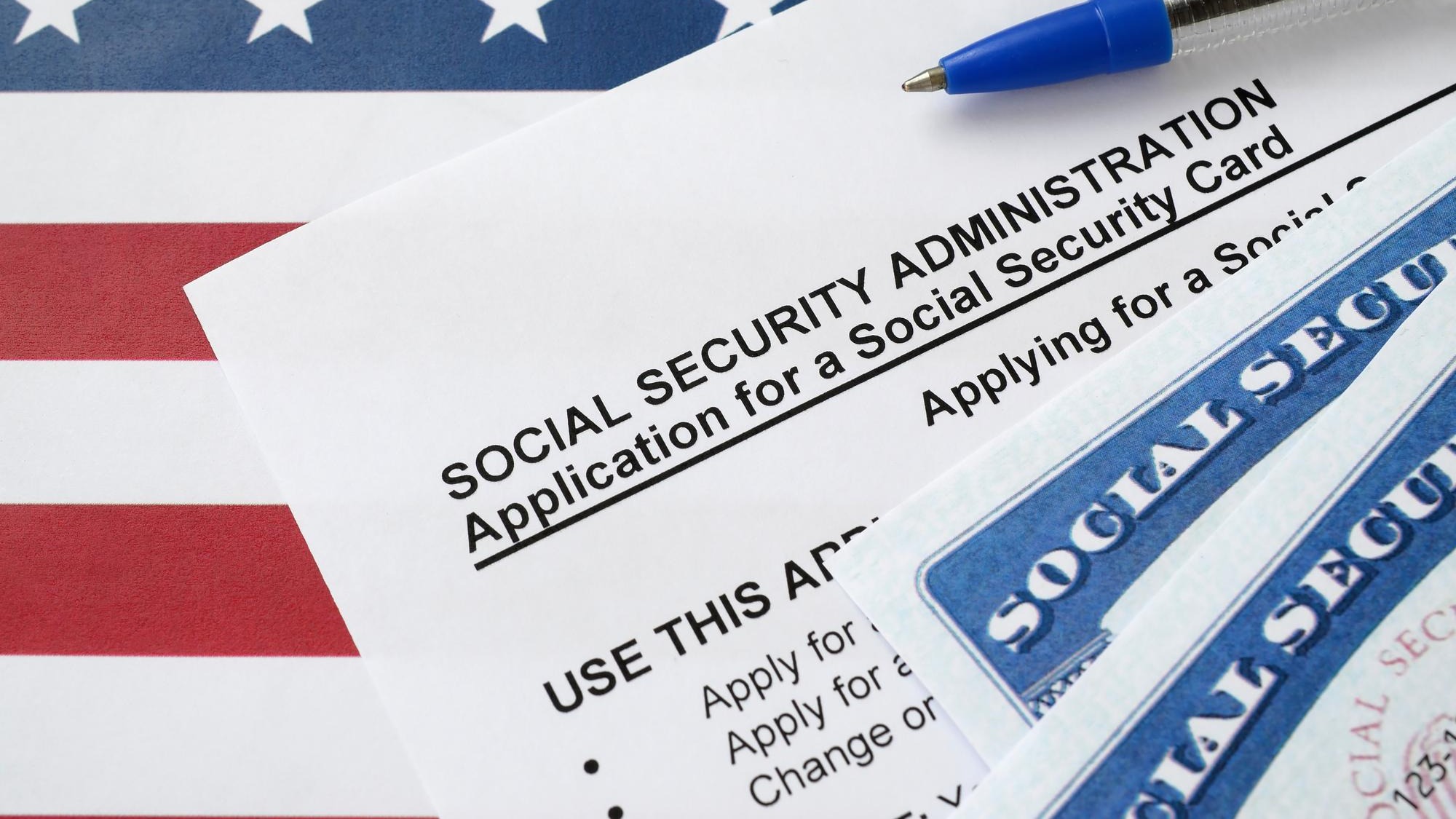
Social Security beneficiaries who receive an overpayment notice are being placed into automatic recovery at a steeper rate than most expect. Under the agency’s current policy, anyone who does not respond within 30 days of an overpayment notice has half of their monthly Social Security check withheld automatically until the debt is repaid. A short window and a specific form stand between a beneficiary and that reduced check, and missing the deadline can mean months of a benefit cut in half. Understanding the timeline, and which paperwork actually pauses the clock, matters more than ever now that the default withholding rate has climbed back up.
The 50 Percent Default and Its 30-Day Clock
Under Social Security’s published overpayment rules, an overpayment occurs when a beneficiary receives more money than they were entitled to, often because of unreported changes in work, income, marital status, or living arrangements. A retiree who goes back to part-time work without updating Social Security, or a disability beneficiary whose condition improves without the change being reported promptly, are common ways an overpayment builds up over several months before anyone notices. Once the agency sends a notice explaining the overpayment, it waits at least 30 days before starting to collect.
If nothing is filed in that window, recovery becomes automatic. According to the Social Security Administration’s own guidance, the agency automatically withholds 50% of the monthly Title II benefit, or 10% of a monthly SSI payment, until the overpayment is repaid once the 30-day period lapses without a request on file. The 50% rate applies to Social Security retirement, survivor, and disability benefits; Supplemental Security Income recovery stays capped at 10%.
The current 50% default is itself the product of a rapid set of changes. Social Security dropped its automatic recovery rate to roughly 10% in 2024, reinstated a full 100% withholding rate for new overpayments in March 2025, and then scaled that back to the 50% rate now in force for Title II benefits, according to reporting from the AARP on the sequence of Social Security overpayment recovery changes. Beneficiaries dealing with a notice today are subject to whichever rate is currently published, so confirming the number on a fresh notice matters more than relying on what a rate used to be.
Free retirement updates: Enrollment and claim windows come and go, and missing one can cost real money. The free Retirement Shield newsletter keeps subscribers ahead of the deadlines that matter. Sign up free.
What Form SSA-634 Actually Requests
Form SSA-634, titled “Request for Change in Overpayment Recovery Rate,” does not dispute that an overpayment happened. It asks Social Security to withhold less than the default 50% or 10% each month because the full rate would leave the household unable to cover necessary living expenses like rent, food, or medication. The form walks through income, expenses, and assets to justify a lower monthly amount, and it can be filed by mail, fax, or in person at a local field office. A beneficiary living on a fixed retirement check, for example, might use the form to show that a 50% reduction would leave too little for rent and prescriptions, and ask instead for a smaller fixed dollar amount to be withheld each month.
Filing SSA-634 within 30 days of the notice date matters because a timely request pauses the automatic 50% withholding while Social Security reviews it, rather than letting the full rate take effect and then reducing it later. A beneficiary who waits past the 30-day window can still ask for a lower rate, but the reduced monthly checks may already be underway by the time the request is processed.
Waivers and Appeals Are a Different Tool
SSA-634 is not the only form that pauses collection, and it solves a narrower problem than beneficiaries sometimes assume. A request to appeal the overpayment decision, filed on Form SSA-561, challenges whether the overpayment happened at all, or whether the amount is correct. A request for a waiver, filed on Form SSA-632, argues the overpayment was not the beneficiary’s fault and that repaying it would be unfair or create a financial hardship, and if granted, it can eliminate the repayment entirely rather than just lowering the monthly rate. Someone who genuinely believes Social Security miscalculated the overpayment amount should reach for the appeal form; someone who agrees the overpayment happened but cannot afford to repay it is better served by the waiver.
All three routes share one feature that matters for the 30-day clock: filing an appeal, a waiver, or the SSA-634 rate-change request within that window stops the automatic 50% or 10% withholding from starting while Social Security makes a decision. Filing after the window closes does not carry the same protection, since recovery may already be running by then.
What Happens to Debt That Goes Unaddressed
Beneficiaries who never respond and never resolve the debt do not simply keep losing half a check indefinitely without other consequences. Social Security’s guidance notes that if someone stops receiving benefits altogether, the agency can pursue the remaining balance through other means, including withholding a federal tax refund, intercepting certain state payments, or garnishing wages. For someone who dies with an overpayment still outstanding, the agency states it may seek repayment from others receiving benefits on that same earnings record.
Given how often the underlying withholding rate itself has changed in recent years, the more reliable habit is checking the specific percentage and deadline printed on any overpayment notice rather than assuming last year’s rules still apply, since Social Security has revised this policy more than once in the span of about eighteen months.
This article was produced with AI assistance and reviewed by The Financial Wire editorial team.
More Financial Reading
- Adding someone to your bank account: tax traps and smart moves
- The ideal retirement withdrawal rate so your savings actually last


