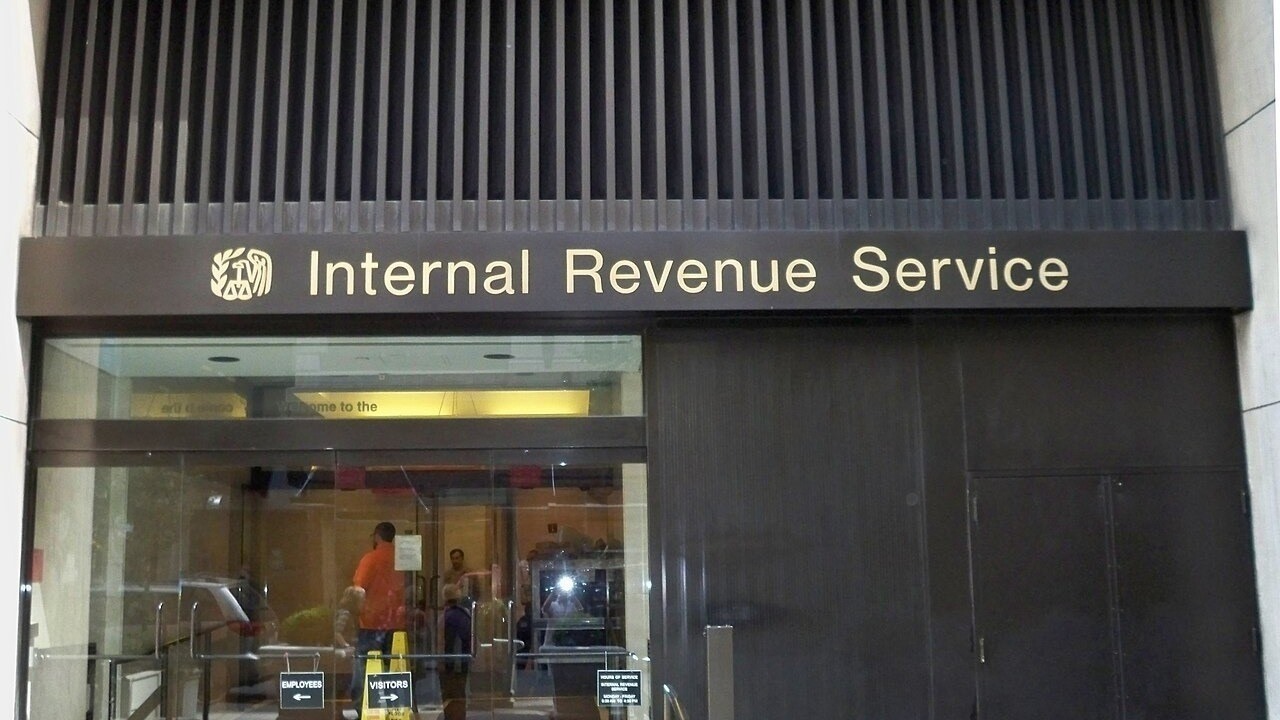
A federal tax bill that cannot be paid in full does not have to mean a phone call, a mailed form, or a wait for an IRS letter to arrive. The agency’s Online Payment Agreement tool lets a qualifying individual apply for a payment plan directly on irs.gov and get an immediate answer on whether it was approved, without visiting an office or sitting on hold.
Who Can Apply for a Plan Online
The tool covers only a slice of the payment options the IRS offers overall, but for a taxpayer who qualifies, it is by far the fastest path to a formal agreement, cutting out the wait for a mailed form or a phone call to be answered.
Eligibility depends on the size of the balance and how it will be repaid. According to the IRS’s own payment plan page, a taxpayer can apply online for a simple long-term installment agreement, paid monthly, if the combined total of tax, penalties, and interest owed is $50,000 or less and every required tax return has already been filed. A shorter option is also available for anyone who owes less than $100,000 combined and can pay it off within 180 days, which carries no setup fee at all. Sole proprietors and independent contractors apply using the individual application rather than a business one. Business accounts cannot set up a payment plan online and instead have to call the number listed on their notice.
Free retirement updates: A quiet rule change can shrink your Social Security or Medicare check, and no one warns you. The free Retirement Shield newsletter catches these early and tells you what to do. Get it free.
What a Payment Plan Actually Costs
Paying the full amount owed immediately carries no setup fee and stops any further penalties or interest from building. A short-term plan of 180 days or less also has no setup fee, though penalties and interest keep accruing on the unpaid balance until it is paid off. A long-term installment agreement paid through automatic bank withdrawals, known as a direct debit plan, carries a $29 setup fee, which is waived entirely for taxpayers who qualify as low income. The same long-term plan paid manually each month instead of through direct debit costs $69 to set up, though low-income taxpayers pay $43 and may have that amount reimbursed once certain conditions are met. Revising an existing agreement, such as changing the monthly payment date or amount, or reinstating a plan that lapsed into default, carries a $6 fee that can also be reimbursed for taxpayers who qualify as low income. In every case, penalties and interest continue to accrue on the remaining balance until it reaches zero.
What’s Needed Before Applying
Setting up a plan online requires creating an IRS Online Account, which involves verifying identity with a photo ID. Someone applying for a direct debit plan will also need their bank’s routing number and account number on hand. A taxpayer who recently filed a return, or whose return was examined but who has not yet received a formal balance notice, should have the balance due shown on that return ready as well. A representative holding power of attorney for someone else generally needs either a Tax Pro Account or has to apply by mail or fax instead, and cannot set up the plan online if the power-of-attorney form includes certain written changes or restricted access designations.
Reviewing or Changing a Plan Already in Place
The same online tool works for a taxpayer who already has a payment plan and wants to check on it. Logging in shows the type of agreement in place, the payment due dates, and the amount still owed. From there, a taxpayer can change the monthly payment amount, move the payment due date, switch an existing plan over to direct debit, update the bank account tied to a direct debit plan, or reinstate an agreement that defaulted, sometimes for an added reinstatement fee. If a proposed new payment amount does not meet the program’s minimum requirements, the system prompts for a revised amount or directs the taxpayer toward a paper application instead.
The system itself is not available around the clock. It runs Monday through Friday from 6 a.m. to 12:30 a.m. Eastern time, Saturday from 6 a.m. to 9 p.m. Eastern time, and Sunday from 6 p.m. to midnight Eastern time, so a taxpayer locked out outside those hours simply needs to return during the posted window rather than assume the application failed. For anyone unsure which option fits their situation, the IRS maintains a separate tax debt help page that walks through the full menu of payment options side by side.
What Happens After a Plan Is Approved
Approval does not erase penalties and interest already added to the balance, and both keep accruing on whatever remains unpaid until the last payment clears. A retiree living on a fixed monthly income from Social Security or a pension can generally choose a payment amount and due date that lines up with when benefits arrive, since the tool allows the monthly due date to be set rather than defaulting to a single fixed calendar day. Missing a scheduled payment can put the agreement into default, which is one of the reasons the reinstatement option exists rather than requiring a taxpayer to start the entire application process over from scratch.
A payment plan is also not the only path available to someone who genuinely cannot pay a tax debt at any amount. Taxpayers facing significant financial hardship can look into an Offer in Compromise, a separate IRS program that in limited cases allows a balance to be settled for less than the full amount owed, or can request a temporary delay in collection if paying anything right now would prevent covering basic living expenses. Both of those options involve a more detailed financial review than the automated online payment plan tool and are generally worth exploring only after confirming that a standard monthly installment agreement would not fit the household budget.
This article was produced with AI assistance and reviewed by The Financial Wire editorial team.
More Financial Reading
- Bank statements: how long to keep them and when to toss them
- Adding someone to your bank account: tax traps and smart moves