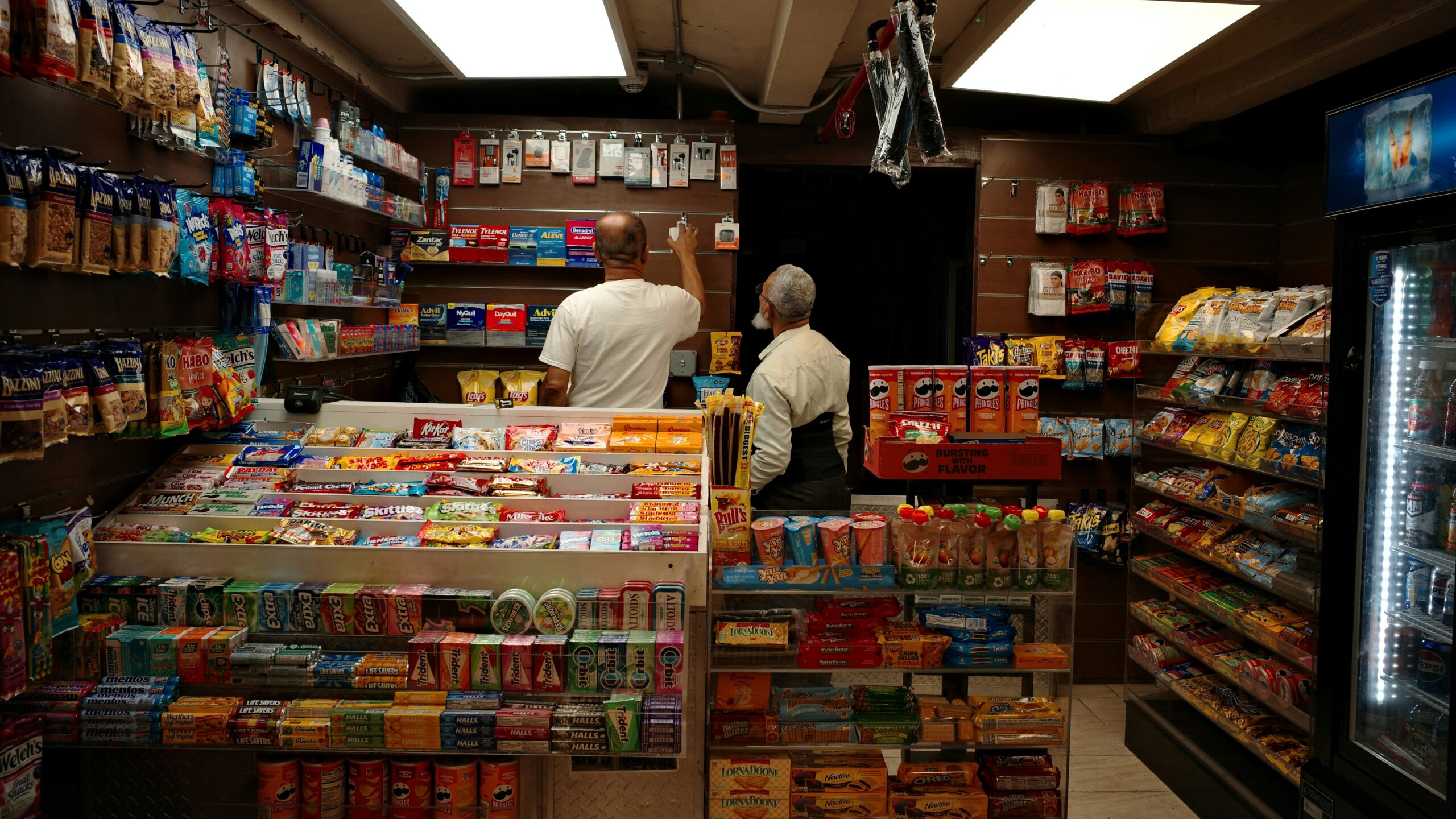
A federal judge in Washington, D.C., has blocked five states from carrying out USDA-approved waivers that would have barred food stamp recipients from buying soda and candy with their benefits, ruling that the agency exceeded its legal authority when it approved the waivers. The June 22, 2026 order applies to Colorado, Iowa, Nebraska, Tennessee, and West Virginia, the five states named as defendants after SNAP participants living there sued the U.S. Department of Agriculture. The ruling leaves the 18 other states with USDA-approved food-restriction waivers untouched, and several of those states are already enforcing soda and candy bans at the checkout counter.
The Ruling: Aragon v. Rollins and SNAP’s Definition of “Food”
U.S. District Judge Amy Berman Jackson, of the U.S. District Court for the District of Columbia, issued the order in Aragon et al. v. Rollins et al., case number 1:26-cv-00861. The lawsuit, filed in March 2026 by SNAP participants living in the five affected states, argued that USDA’s approval of the state food-restriction waivers violated the federal Administrative Procedure Act and exceeded the authority Congress granted the agency under the Food and Nutrition Act of 2008. USDA had begun approving these waivers in 2025 under the Trump administration’s Make America Healthy Again initiative, which argues that taxpayer-funded nutrition benefits should not subsidize sugary drinks and candy linked to chronic disease.
Jackson found that the 2008 law defines what counts as food for SNAP purposes and gives USDA no power to carve out soda, candy, or other items from that definition through a state waiver. The agency had approved the five waivers as demonstration projects, a category of pilot programs meant to test whether a change improves SNAP’s administrative efficiency. Jackson wrote that neither the states’ waiver applications nor USDA’s approvals showed the restrictions were designed to increase efficiency, only to influence what recipients eat. Congress defined what food is supposed to be, she wrote, and it did not authorize the agency to amend or waive the definition it enacted, directing USDA to void its approvals for the five states.
Free retirement updates: Want plain-English help keeping more of your money in retirement? The free Retirement Shield newsletter covers the benefits, deadlines, and money mistakes that cost retirees, a couple times a week. Subscribe free.
Which States Are Blocked, and Which Aren’t
USDA’s own food-restriction waiver tracker shows the current status of each state program. As of an August 25, 2026 update, the agency’s page lists the Colorado, Iowa, Nebraska, Tennessee, and West Virginia waivers as vacated by the court, stating that the waiver’s implementation may not proceed. Retailers in West Virginia were separately told to halt their rollout through an official notice instructing stores to stop enforcing the ban at checkout, and Iowa and Nebraska received similar stop-implementation notices.
The five blocked waivers varied in scope: Colorado’s and West Virginia’s targeted soft drinks and soda alone, Tennessee’s covered processed foods including soda, energy drinks, and candy, and Iowa’s was the broadest, restricting nearly every taxable food item under state tax law rather than just sugary products. The order does not reach the other 18 states with USDA-approved waivers. Eight of them, Arkansas, Florida, Idaho, Indiana, Louisiana, Oklahoma, Texas, and Utah, are already restricting soda, candy, or other items at the register, since none of those states’ recipients were parties to the lawsuit. Several more, including Montana, Ohio, North Dakota, and South Carolina, have approved waivers scheduled to begin later this year.
The Appeal Window and What Could Change
USDA had until August 21, 2026, to file a notice of appeal with the U.S. Court of Appeals for the D.C. Circuit. Agriculture Secretary Brooke Rollins has said the administration intends to keep pursuing the restrictions as part of a broader effort, alongside the Department of Health and Human Services, to limit sugary purchases in federal nutrition programs. USDA’s waiver tracker, last updated August 25, still lists the five waivers as vacated, with no indication that a stay has been granted.
A reversal at the D.C. Circuit would not automatically restore all five waivers. The appeals court could send the matter back to USDA to rebuild its case under the stricter demonstration-project standard Jackson identified, or it could uphold her ruling entirely. Because USDA relied on the same legal authority to approve waivers in the 18 unaffected states, an unfavorable outcome on appeal could invite fresh challenges in states such as Texas, Florida, and Utah, where soda and candy restrictions are already in effect at the register.
The Money Question for Older SNAP Beneficiaries
The fight over SNAP food rules carries a direct dollar impact for older Americans, who make up a growing share of the program. SNAP served an average of 41.7 million participants a month in fiscal year 2024, at a federal cost of $99.8 billion, and adults age 60 and older accounted for 19 percent of all participants in fiscal year 2023, according to USDA’s Economic Research Service, up from 12 percent less than a decade earlier. The program paid participants an average of $187.20 a month in fiscal year 2024, benefits that many retirees and disabled beneficiaries stretch across groceries, including the sodas, snacks, and treats now caught in the legal fight.
For a retiree drawing SNAP benefits in Colorado, Iowa, Nebraska, Tennessee, or West Virginia, the immediate effect of Jackson’s order is straightforward: soda and candy remain SNAP-eligible purchases at checkout, just as they were before the state waivers were approved. That could change if USDA’s appeal succeeds or if the agency rewrites its waiver applications to meet the demonstration-project standard Jackson laid out, and beneficiaries in the five states have no guarantee the current rules will hold once the appeals process now underway at the D.C. Circuit runs its course.
This article was produced with AI assistance and reviewed by The Financial Wire editorial team.
More Financial Reading
- Adding someone to your bank account: tax traps and smart moves
- Bank statements: how long to keep them and when to toss them