Coverage of the wave of Medicare Advantage network exits in 2026 almost always frames it the same way: a hospital system, fed up with denied claims or slow checks, decides to walk away from an insurer. The industry’s own tracker of these breakups tells a more complicated story. In at least one prominent case among this year’s list, the health system did not choose to leave. The insurer chose to leave the health system.
The Tracker Itself Records Both Directions
Becker’s Hospital Review has tracked Medicare Advantage contract breaks since 2023 and updated its running 2026 list to 29 health systems on September 4. The publication’s own framing of the list draws a distinction that most secondhand coverage skips: providers dropping plans often cite denied prior authorizations and slow reimbursement, but in other cases, the insurers are the ones terminating the contracts themselves.
That second category rarely makes the headline. A hospital system announcing it is leaving a plan generates a press release, a patient notice and local news coverage built around the system’s own explanation. An insurer quietly ending a contract, by contrast, tends to surface only in the fine print of a hospital’s insurance-update page or inside a trade publication’s tracker, which is where Becker’s own list found the pattern worth calling out explicitly. Nothing about an insurer-initiated exit is announced with the same fanfare, since there is no equivalent press release from a health plan explaining to the public why it decided a given hospital system was no longer worth the price of staying in network.
Free retirement updates: Miss an enrollment or claim deadline and it may be gone. Our free Retirement Shield newsletter keeps readers ahead of the ones that matter. Get the free newsletter.
Humana, Not Ohio State, Ended the Broader Relationship
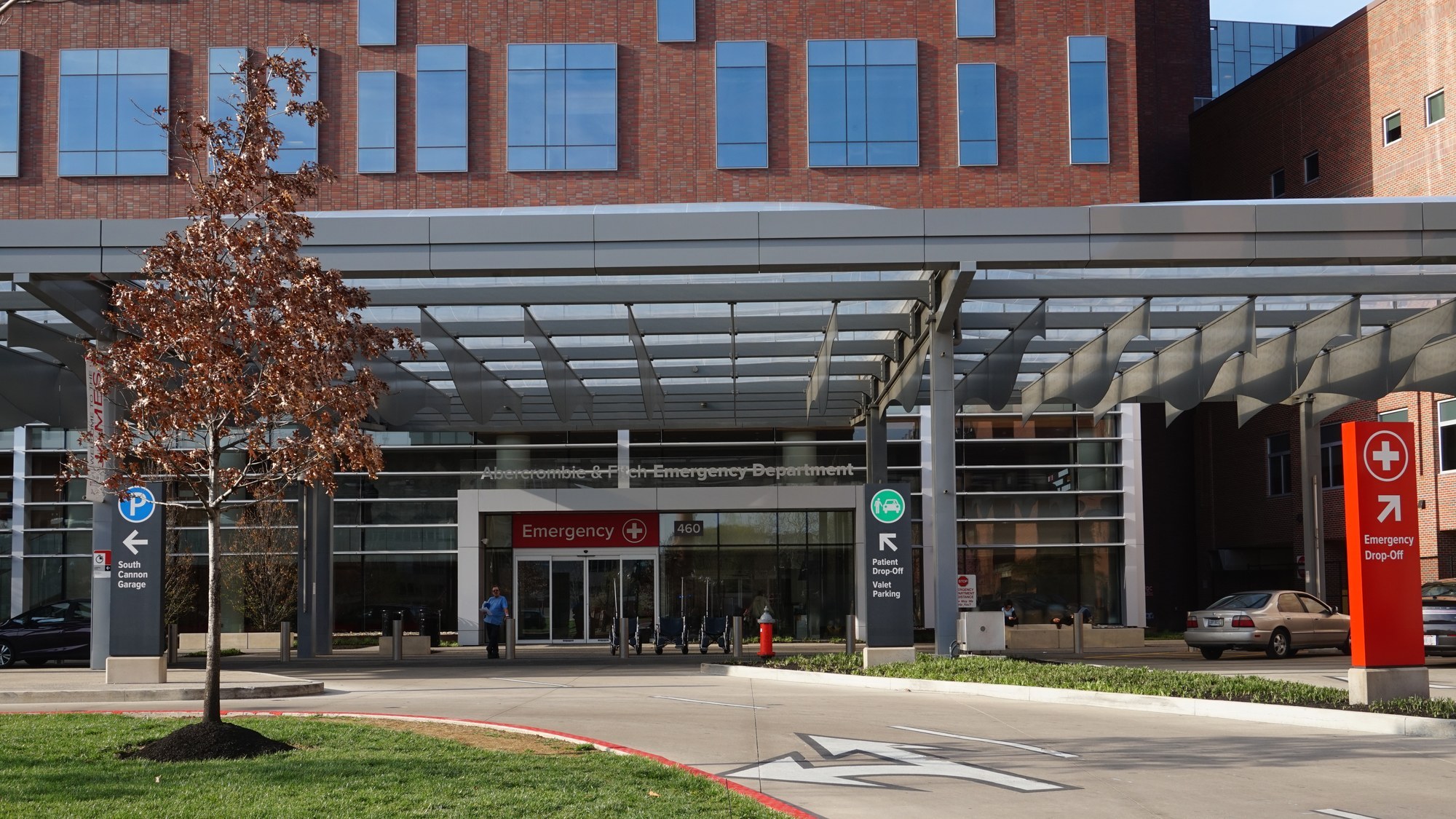
The clearest named example on the current list involves Columbus-based Ohio State University Wexner Medical Center, The James Cancer Center and OSU-affiliated physicians. Becker’s reports that Humana notified Ohio State it was terminating the contract, not the reverse, while Ohio State said it remained interested in reaching new terms and Humana said it remained open to continued discussions. The result: Ohio State’s facilities go out of network for individual Humana Medicare Advantage members on October 1.
A Humana newsroom statement, last updated September 4, backs up the shape of that account even in the insurer’s more measured language. Humana says it reached an agreement with Ohio State to keep the health system in-network for Humana Medicaid and Group Medicare members through 2027, a narrower deal than the broad relationship that existed before. Individual Medicare Advantage members are carved out of that agreement and lose in-network access on October 1 regardless. Humana’s own FAQ on the change says the agreement was reached because both sides “share the goal of providing access to quality care” and were focused on “keeping healthcare costs affordable” for the members who remain covered, language that is a considerable distance from an announcement that a hospital chose to abandon a plan.
What an Insurer-Initiated Exit Still Costs a Patient
Whichever side ends a contract, the patient-facing consequence lands the same way: a Medicare Advantage member with an appointment scheduled at an affected facility after October 1 is looking at an out-of-network bill unless a new plan or provider is arranged first. Humana’s own materials on the change spell out what is available in the meantime: members are directed to a dedicated customer-service line for personalized help finding an in-network replacement, and those with certain active medical conditions can qualify to keep seeing their current Ohio State provider at the in-network benefit level for a defined transition period even after the October 1 cutoff. Emergency care is covered at the in-network rate at any hospital regardless of network status, a standard federal protection that applies no matter which side of a contract dispute a member happens to land on.
The direction of the break does change where the pressure for a new agreement actually sits. When a hospital walks away, the leverage question is what the hospital wants from the insurer, typically fewer denied authorizations or faster payment. When an insurer walks away, the leverage question shifts to what the insurer is willing to pay the hospital to keep it in network, which is closer to a straightforward pricing dispute. Annual Medicare enrollment, when members can switch Medicare Advantage plans or move to Original Medicare, runs from October 15 through December 7, according to Medicare’s own enrollment guidance, which gives affected members a two-week gap between an October 1 network change and the first chance to act on it.
Becker’s List Has Nearly Doubled Since Last Year
Becker’s 2025 version of the same tracker counted 20 health systems; the 2026 list has grown to 29 and, per the publication’s own note, is not exhaustive and will keep being updated through the year. Most of the entries describe a hospital system going out of network in language that does not say which side ended the relationship first, which is exactly why a case with a documented insurer-initiated termination is worth separating from the rest rather than folding into a single “hospitals are dropping Medicare Advantage” narrative. Ohio State’s case is one of the few on the list where the tracker, and the insurer’s own statement, both put the initiating decision on the insurer’s side of the table.
This article was produced with the assistance of AI and reviewed by The Financial Wire editorial team.
More Financial Reading
- Bank statements: how long to keep them and when to toss them
- What really happens to your joint savings account when you die?