A Medicare program launched July 1, 2026 lets eligible beneficiaries buy three brand-name weight-loss drugs for about $50 a month, regardless of income. That price is not automatic. A beneficiary has to clear a four-part eligibility screen built around body mass index and other health conditions, and a doctor has to secure Medicare’s approval before a pharmacy can charge the discounted rate. The fine print also decides what that $50 payment does and does not do inside a Part D drug plan, a detail that carries as much weight as the headline number.
The Four-Part Eligibility Screen Behind the $50 Price
Medicare’s fact sheet on the program lists four separate conditions a beneficiary must meet before the $50 price applies. The first is coverage: a beneficiary needs Part D drug coverage, either a standalone Medicare drug plan or a Medicare health plan that includes drug coverage, and anyone whose only coverage runs through certain private fee-for-service plans, cost contract plans, or a PACE organization is excluded. The second rules out anyone already receiving a GLP-1 drug through an existing Medicare drug plan; those beneficiaries are told to keep filling that prescription through their current plan rather than switch into the bridge program. The third works in the opposite direction: a beneficiary with type 2 diabetes, moderate-to-severe sleep apnea, or fatty liver disease is excluded from the bridge because those conditions typically already qualify a person for GLP-1 coverage under the ordinary Part D benefit, and that beneficiary is directed to contact the drug plan directly.
Only after clearing those three tests does the fourth condition, age and body mass index, come into play. A beneficiary age 18 or older qualifies with a BMI of 35 or higher on its own, according to the program’s fact sheet. A BMI of 30 or higher clears the bar only alongside certain heart failure, hard-to-control high blood pressure, or chronic kidney disease at stage 3a or beyond. A BMI of 27 or higher requires prediabetes or a history of heart attack, stroke, or blocked arteries in the legs or arms. Medicare’s guidance tells a beneficiary who does not know that number to ask a doctor, who calculates BMI from height and weight.
Free retirement updates: Miss an enrollment or claim deadline and it may be gone. Our free Retirement Shield newsletter keeps readers ahead of the ones that matter. Get the free newsletter.
The Prior Authorization Step Between a Prescription and a Pharmacy Counter
Clearing the coverage and BMI tests does not put the $50 price into effect by itself. Medicare’s fact sheet describes a sequence that starts with a doctor determining whether a GLP-1 drug is appropriate and whether the beneficiary meets the bridge program’s criteria, then sending a prescription to a pharmacy. The pharmacy typically asks for the beneficiary’s Medicare ID number, printed on the Medicare card, to confirm eligibility; a pharmacist can look up the number using the last four digits of a Social Security number if the card is not on hand. Only after the pharmacy confirms eligibility does the doctor submit a form seeking Medicare’s sign-off, a step the Centers for Medicare & Medicaid Services describes on its provider-facing guidance for the program as prior authorization. Medicare then sends the beneficiary a letter confirming the medicine is covered before the pharmacy can fill the prescription at the discounted price. A refill does not require a new approval as long as the beneficiary stays on the same drug, even if the dose changes, but moving to a different GLP-1 medication under the bridge would start the approval process over.
Which Drug Versions the $50 Price Actually Covers
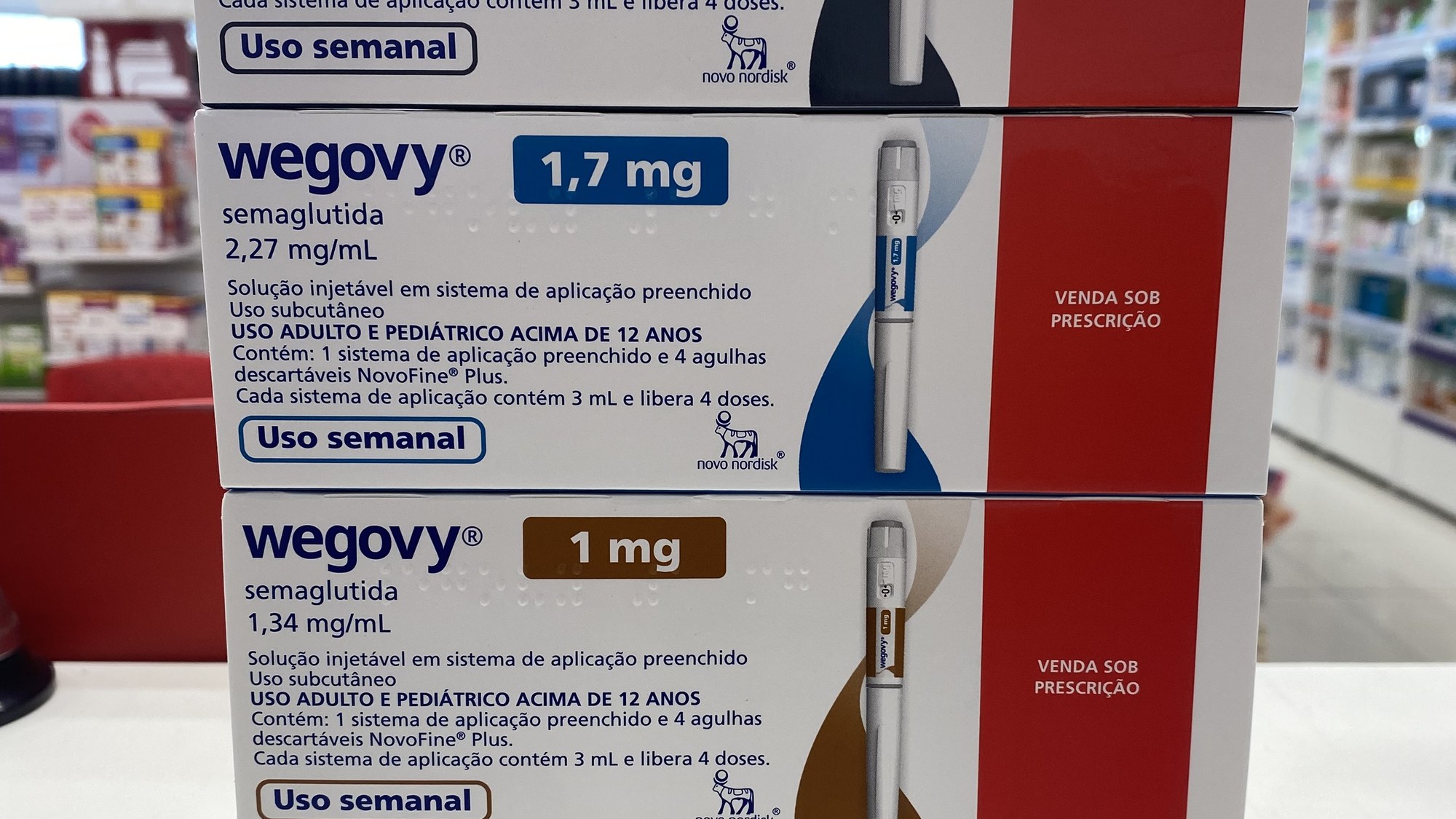
The bridge program does not cover every GLP-1 product on the market, or even every version of a covered brand. Medicare’s fact sheet names three eligible drugs: Foundayo in tablet form, Wegovy in either injection or tablet form, and Zepbound, but only the KwikPen version of Zepbound. The single-dose Zepbound pen and Zepbound vials are explicitly excluded, a distinction a beneficiary could easily miss if only the brand name were flagged rather than the specific packaging Medicare requires. The drugs are also carved out of Medicare’s separate Prescription Payment Plan, the option that lets a beneficiary spread out-of-pocket drug costs into monthly installments across the plan year; someone paying $50 a month under the bridge program cannot fold that payment into an installment plan alongside other prescriptions.
Why the $50 Payment Does Not Reduce a Deductible or an Out-of-Pocket Cap
Under an ordinary Part D plan, money a beneficiary spends on covered drugs counts toward two separate thresholds: an annual deductible, capped at $615 in 2026, and an annual out-of-pocket limit, capped at $2,100 in 2026, after which the plan covers the rest of that year’s drug costs, according to Medicare’s published Part D cost rules. The bridge program’s $50 monthly payment sits outside both calculations. Medicare’s fact sheet states plainly that the $50 payment does not count toward a beneficiary’s drug plan deductible or yearly out-of-pocket limit. A beneficiary using the bridge program to afford Wegovy, Zepbound, or Foundayo gets no credit toward clearing the deductible or reaching the point where a plan’s other covered drugs turn free for the rest of the year; someone taking several other medications will still have to spend separately, dollar for dollar, to reach that annual limit no matter how many months of the $50 GLP-1 payment already went out the door. Medicare’s own fact sheet, CMS Product No. 12234, issued in June 2026, is the document that spells out that exclusion, alongside the eligibility and prior-authorization rules that determine whether a beneficiary ever reaches the pharmacy counter to pay the $50 in the first place.
This article was produced with the assistance of AI and reviewed by The Financial Wire editorial team.
More Financial Reading
- Bank statements: how long to keep them and when to toss them
- What really happens to your joint savings account when you die?