Medicare’s new $50-a-month program for obesity drugs does not cover every version of every eligible medicine. Starting July 1, 2026, Medicare GLP-1 Bridge lets an eligible beneficiary pay a flat $50 for certain GLP-1 drugs no matter their income, but the fine print names specific products and specific delivery devices, and it excludes some forms of the same medication entirely. Anyone comparing what a doctor prescribes against what the program actually pays for needs to know the difference, because getting the wrong device on the prescription pad means paying full price instead of $50.
The Covered List Is Three Products, Not Three Drugs
According to the Medicare GLP-1 Bridge fact sheet, published by CMS as Product No. 12234, the program covers exactly three items: Foundayo in tablet form, Wegovy as either an injection or a tablet, and Zepbound, but only in its KwikPen version. That last qualifier is doing a lot of work. Zepbound, the brand name for the drug tirzepatide when marketed for chronic weight management, is sold in more than one physical form, and Medicare’s bridge program recognizes just one of them. A beneficiary whose doctor writes a prescription for “Zepbound” without specifying the device could still end up with a version the program will not pay $50 for.
Free retirement updates: Social Security and Medicare change every year, and nobody sends you a memo. Our free Retirement Shield newsletter breaks down what changed and what to do. Get it free in your inbox.
Why the Single-Dose Pen and the Vials Are Left Off
The fact sheet states plainly that “the single-dose Zepbound pen and Zepbound vials are NOT covered” under the bridge program, leaving the multi-dose KwikPen autoinjector as the only qualifying delivery method. Zepbound’s single-dose pen and its vial format are typically used in different prescribing and dispensing situations than the KwikPen, including some cash-pay and compounding-adjacent channels the government program was not built around. The distinction means the same active ingredient, prescribed by the same doctor for the same condition, can fall on either side of the $50 price depending on which package the pharmacy pulls off the shelf, so beneficiaries and prescribers both need to confirm the specific product name before assuming the bridge price applies. The same logic extends to Wegovy and Foundayo: the fact sheet names the injection and tablet forms of Wegovy and the tablet form of Foundayo as covered, and any other packaging or dosing format of those same drugs that CMS has not specifically listed would fall outside the program on the same reasoning that excludes the Zepbound single-dose pen and vials.
The $50 Sits Outside Medicare’s Usual Cost Protections
Even for a covered product, the $50 payment behaves differently from an ordinary Part D copay. The fact sheet specifies that the $50 charge does not count toward a beneficiary’s Medicare drug plan deductible or their yearly out-of-pocket limit, and the covered drugs are not eligible for enrollment in the separate Medicare Prescription Payment Plan that lets some beneficiaries spread drug costs into monthly installments across the calendar year. In practice, a beneficiary already near their Part D out-of-pocket cap from other prescriptions gets no credit toward that cap from the $50 GLP-1 payments, and cannot ask to pay the $50 in smaller pieces through the installment program built for other high-cost drugs. The flat $50 price also does not vary with income, meaning a beneficiary near the federal poverty line and one with a substantial pension both pay the identical amount for a one-month supply of a covered product, a structure the fact sheet states outright rather than leaving to plan-by-plan discretion.
The Program Is Not a Second Option for Beneficiaries Already Covered
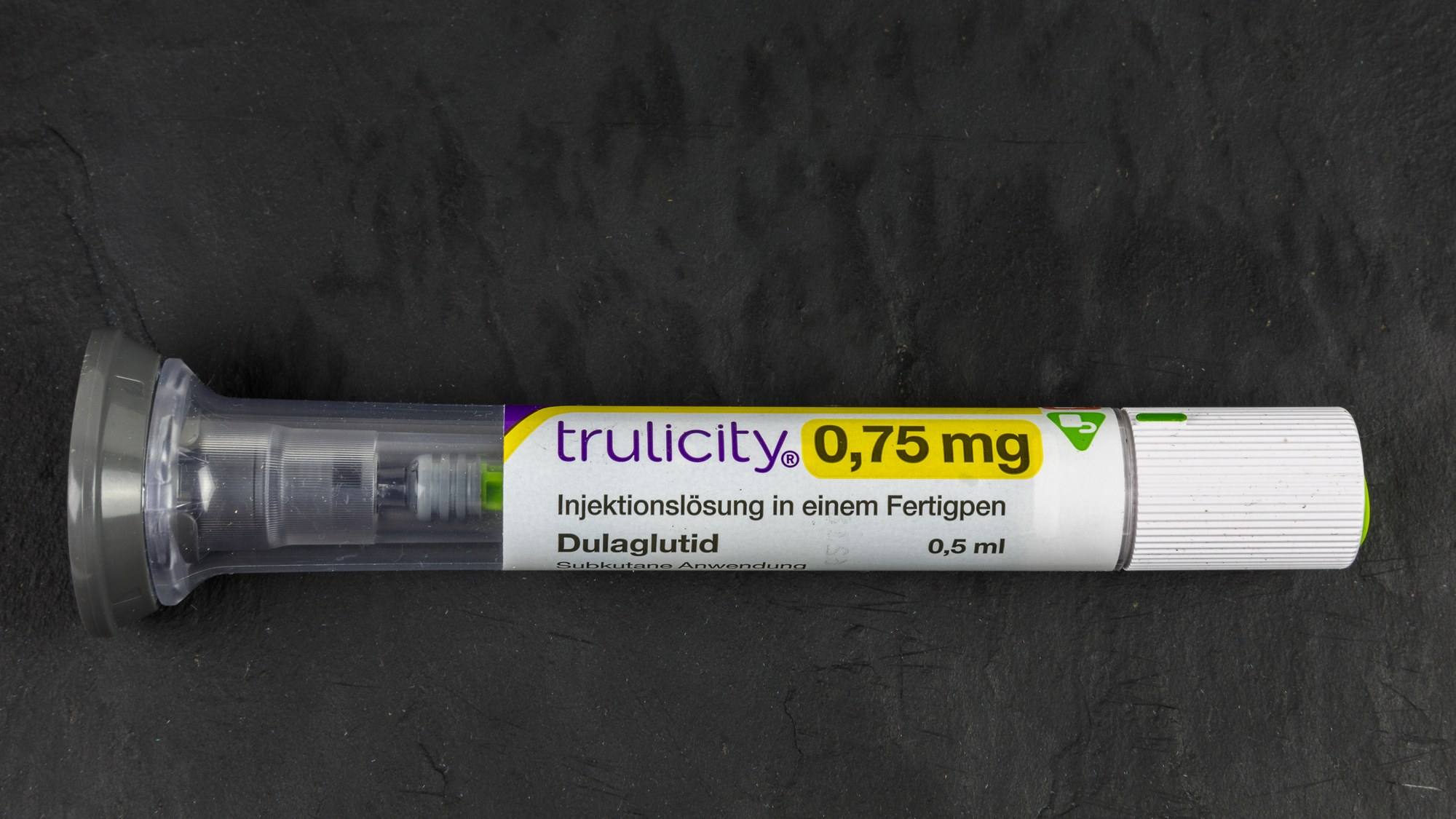
Medicare GLP-1 Bridge is written to fill a gap, not to give every beneficiary a choice between two ways to get the same drug. The fact sheet defines “GLP-1 drugs” broadly, as products containing any of five active ingredients: semaglutide, tirzepatide, orforglipron, dulaglutide, and liraglutide, which covers brands beyond just the three named products. But a beneficiary who is already getting a GLP-1 drug paid for by their own Medicare drug plan for any reason is told plainly to keep getting it through that plan rather than switch into the bridge program, and someone who is otherwise eligible to receive a GLP-1 drug through their existing Part D coverage does not qualify for the $50 pricing at all. The bridge program, in other words, is built specifically for beneficiaries who currently have no path to GLP-1 coverage through their own plan, not as a cheaper alternative for those who already do.
The drug-cost programs that run on the same fine print
The bridge program’s flat price depends on a specific product and a specific delivery device named in a CMS fact sheet, and it attaches to nothing automatically. Extra Help, the subsidy that lowers Part D premiums, deductibles and per-prescription costs for beneficiaries with limited income, is built the same way: it has its own income and resource thresholds and its own application, and it never applies on its own. State pharmaceutical assistance programs add a further layer of thresholds that differ from one state to the next.
The Benefits Checklist runs 63 pages across 11 programs, listing the 2026 income limits for each and the state office that handles it, alongside a printable tracker.
Open The Benefits Checklist for Extra Help, state drug assistance and the nine other programs.
This article was produced with the assistance of AI and reviewed by The Financial Wire editorial team.