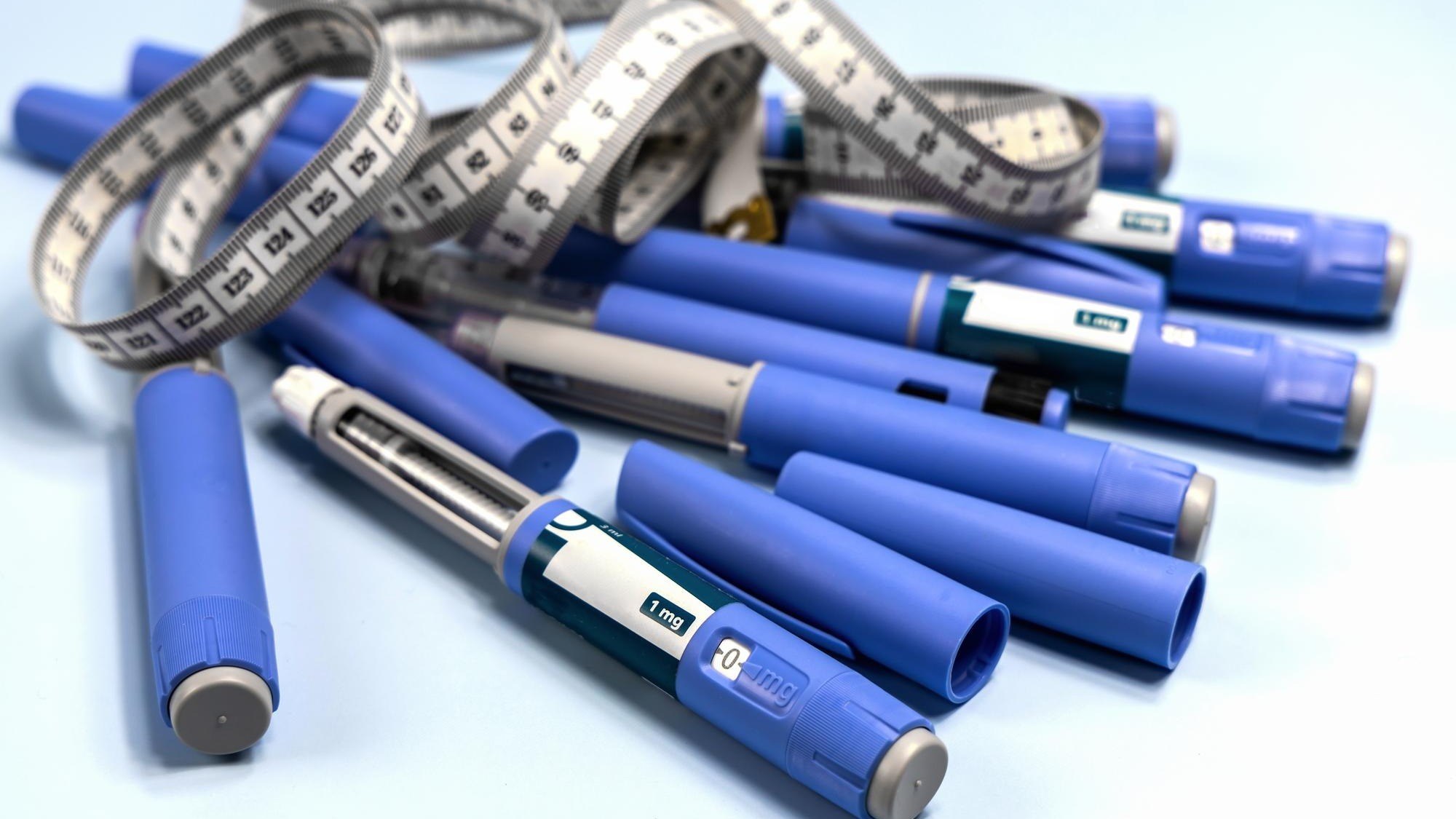
Not every Medicare beneficiary who wants help losing weight qualifies for the new $50-a-month GLP-1 drug program, even if a doctor thinks it would help. Medicare GLP-1 Bridge, which began July 1, 2026, sets eligibility by body mass index, but not a single cutoff line; it uses three separate BMI thresholds, each paired with its own list of qualifying health conditions, plus a short list of diagnoses that rule a person out no matter what their BMI is. Understanding which of the three paths applies, if any, determines whether a prescription actually gets the $50 price or the full retail cost of the drug.
Three BMI Thresholds, Each Tied to Different Conditions
The Medicare GLP-1 Bridge fact sheet lays out three distinct ways a beneficiary can qualify. The first requires a body mass index of 35 or higher with no other condition needed. The second lowers the bar to a BMI of 30 or higher, but only for someone who also has certain types of heart failure, high blood pressure that is hard to control, or chronic kidney disease at stage 3a or beyond. The third path drops the threshold further, to a BMI of 27 or higher, for someone who also has prediabetes or has previously had a heart attack, a stroke, or blocked arteries in the legs or arms. A person’s weight alone can qualify them at the top tier, but at the two lower BMI tiers, the program requires a specific, already-diagnosed cardiovascular or kidney condition layered on top of the weight measurement.
Free retirement updates: Want plain-English help keeping more of your money in retirement? The free Retirement Shield newsletter covers the benefits, deadlines, and money mistakes that cost retirees, a couple times a week. Subscribe free.
Three Diagnoses Rule a Beneficiary Out Regardless of Weight
Meeting one of the BMI tiers is not enough on its own. The same fact sheet disqualifies anyone with type 2 diabetes, moderate-to-severe sleep apnea, or fatty liver disease from using this particular program, regardless of how high their BMI runs or which cardiovascular condition they also carry. The reasoning is about overlap rather than denial of care: the fact sheet tells beneficiaries with those conditions to contact their Medicare drug plan directly, noting the plan may already cover a GLP-1 drug for them through the ordinary Part D benefit rather than through this bridge program. In effect, Medicare GLP-1 Bridge is built for people who would not otherwise have a path to coverage for these drugs, not as a second option for those whose existing Part D plan already pays for one.
An 18-and-Older Floor Built Around Older Adults’ Conditions
The program’s stated age minimum is 18, technically opening it to any qualifying adult on Medicare regardless of age, including younger beneficiaries who qualify through disability. But the specific conditions written into the two lower BMI tiers, heart failure, difficult-to-control high blood pressure, chronic kidney disease, prediabetes, prior heart attack or stroke, are conditions that climb sharply in prevalence with age, which is where most of the Medicare population sits. A beneficiary in their late sixties or seventies with a BMI of 30 and a chronic kidney disease diagnosis, for example, clears the second tier even though their weight alone would fall short of the top-tier threshold, while a similarly aged beneficiary with a BMI of 32 and no listed comorbidity would not qualify under any of the three paths.
The Number Itself Comes From a Doctor, Not a Self-Report
None of the three tiers are meant to be calculated by the beneficiary. The fact sheet describes body mass index as a number a doctor calculates from a patient’s height and weight, and it directs anyone unsure of their own BMI to simply ask their doctor rather than estimate it. That detail matters because eligibility hinges on precise tier boundaries: a person sitting at a BMI of 29.5 with prediabetes clears the third tier, while a BMI of 26.5 with the same condition does not, a difference too fine to eyeball without a clinical measurement. The same conversation with a doctor also covers the disqualifying diagnoses, since a beneficiary with type 2 diabetes or moderate-to-severe sleep apnea is screened out of the bridge program regardless of which BMI tier their weight would otherwise satisfy, and a doctor’s chart is what settles whether one of those disqualifying conditions is actually on record. The same fact sheet also reminds beneficiaries that the eligibility check runs on top of, not instead of, the plan-type rule covering the program: a person must separately have a standalone Medicare Drug Plan or a Medicare health plan that includes drug coverage, since private fee-for-service plans, cost-contract plans, and PACE organizations do not qualify no matter what BMI tier a beneficiary meets.
Drug-cost help outside the bridge program’s BMI tiers
Medicare GLP-1 Bridge is not the only drug-cost program that turns on a threshold a beneficiary has to meet on paper. Extra Help, the federal subsidy that lowers Part D premiums, deductibles and copays, is keyed to income and resource limits rather than a diagnosis, and state pharmaceutical assistance programs sit alongside it for people whose costs fall outside what Part D covers. Both are opt-in, and the qualifying figures differ by program and by state.
The Benefits Checklist sets out 11 programs across 63 pages, Extra Help and the state drug assistance programs among them, with the 2026 income limits and a printable tracker for each application.
Read the 2026 income limits for Extra Help and the state drug programs in The Benefits Checklist.
This article was produced with the assistance of AI and reviewed by The Financial Wire editorial team.