An audit by the Social Security Administration’s Office of the Inspector General found that agency employees did not accurately process 38 percent of the critical payments they issued in fiscal year 2023. A critical payment is Social Security’s own term for an emergency payment, made outside the regular monthly schedule when a beneficiary is in dire financial need, is owed money under a court order, or reports that a monthly check never arrived. The same audit found that about 10,500 beneficiaries were sent a Form SSA-1099 that misstated their yearly benefit total by a combined $14 million, an error that can throw off a federal tax return.
What Turns a Social Security Payment Into a “Critical” One
A critical payment moves outside Social Security’s normal monthly cycle when a beneficiary or a representative payee alerts a local field office to a critical case or special situation. According to a report from the Social Security Administration’s Office of the Inspector General, those situations include dire need, meaning a beneficiary without the money for food, shelter or medical care, along with court orders, legislative mandates, and preliminary or expedited payments issued when there is a delay in awarding or reinstating benefits. A critical payment is also how the agency responds when someone reports that a monthly check simply never showed up. Before the money moves, one field office employee has to initiate the payment and a second employee with approval authority has to release it. Afterward, a processing-center employee is required to review the payment to confirm it was calculated and recorded correctly. That extra layer of review is what caught many, though far from all, of the mistakes the inspector general later found.
Free 2026 payment calendar: Social Security and SSI payments don’t all arrive on the same day, and a late deposit has its own steps. Get the free payment calendar and missing-payment checklist.
The Numbers Behind the 38 Percent in Fiscal Year 2023
The inspector general’s full audit drew a random sample of 175 critical payments from one of the 20 equal segments into which Social Security divides its Master Beneficiary Record, then projected the results across the fiscal year 2023 population as a whole: an estimated 70,980 critical payments, or roughly 71,000, issued between October 2022 and September 2023. On that basis, the audit estimates employees accurately processed about 44,000 of those payments, or 62 percent, and did not accurately process about 27,000, or 38 percent. Processing the flawed 27,000 payments produced more than 28,000 separate errors, since a single mishandled critical payment often involved more than one mistake: a missed Medicare premium deduction, an overpayment balance nobody adjusted, or a benefit record left showing the wrong amount. About 2,800 of the errors were documentation mistakes that did not change what anyone was paid. The rest carried a real cost, either in improper payments or in benefit records that misstated a beneficiary’s taxable income.
An Estimated $12 Million in Improper Payments
About 8,100 of the errors resulted in Social Security improperly paying beneficiaries a combined $12 million, because employees who issued a critical payment failed to go back afterward and correctly adjust the person’s record, most often the running balance on an existing overpayment. In one case described in the report, a beneficiary already had benefits withheld twice to recover a prior overpayment before a field office approved a $2,700 critical payment covering the missed months. The processing-center employee responsible for updating the overpayment balance afterward entered zero instead of roughly $2,700, so the error was never caught and the money was never recovered from the beneficiary’s future benefits. A smaller group of about 6,900 beneficiaries were also overpaid a combined $1 million at first, though those particular mistakes were caught during a later post-payment review before the cost became permanent.
The Wrong Tax Form: Form SSA-1099
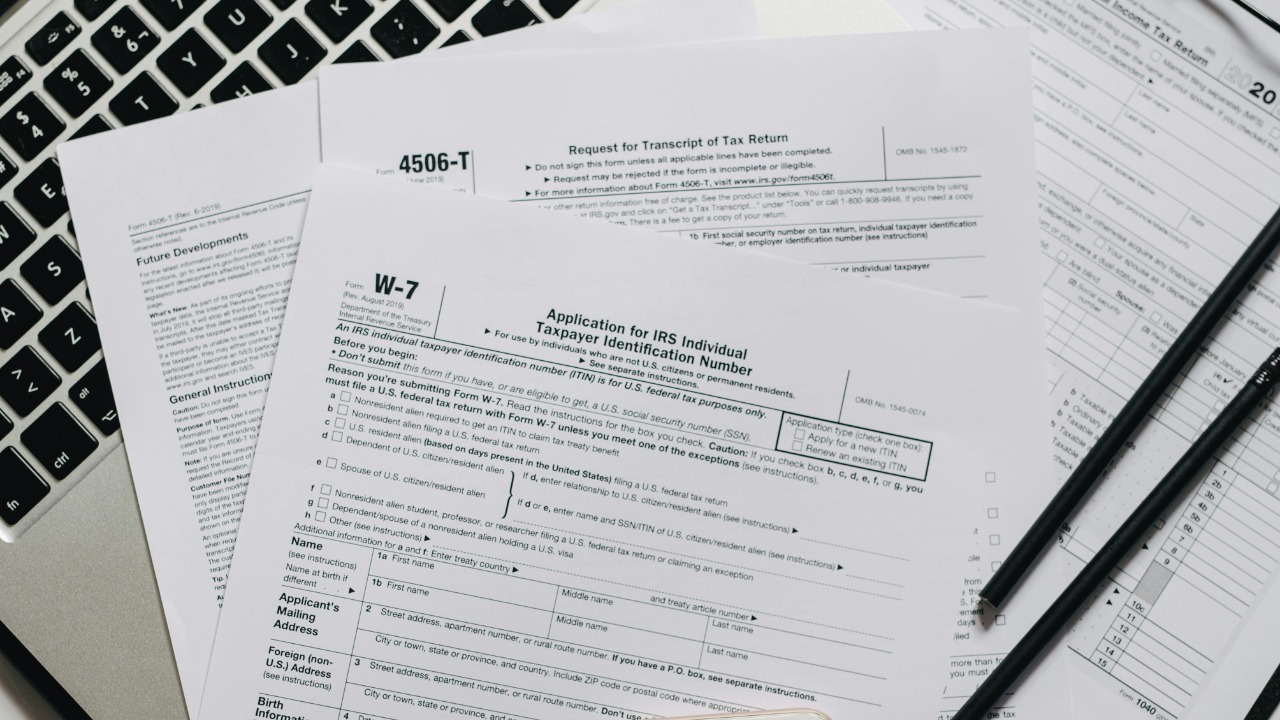
Separately, the audit estimates Social Security issued about 10,500 beneficiaries a Form SSA-1099, the annual Social Security Benefit Statement used to file federal taxes, with a benefit total that was over- or understated by a combined $14 million. The errors trace back to the same processing gap. When a field office issues a critical payment to replace a check a beneficiary says never arrived, an employee is supposed to update the Payment History Update System so the replacement is counted correctly, once, on that year’s SSA-1099. In the cases the inspector general reviewed, that update was often missed or entered incorrectly, so the form either counted a payment twice, left one off entirely, or reported an amount the beneficiary never actually received. Because the SSA-1099 is what beneficiaries and the IRS use to determine how much of a Social Security benefit is taxable, a wrong figure can overstate or understate what someone owes. A beneficiary who got a replacement payment for a missing check in a recent year and has not checked that year’s SSA-1099 total against a personal payment record can ask Social Security for a corrected form before filing, or file an amended return if the wrong number already went to the IRS.
What the Inspector General Told Social Security to Fix
The inspector general filed the findings as Report 042403, addressed to Commissioner Frank Bisignano, with seven recommendations aimed at tightening controls over the Critical Payment System and clarifying policy for the employees who process replacement payments. “We identified opportunities for SSA to strengthen its policies, procedures, and oversight to improve accuracy in payment processing,” said Michelle L. Anderson, the Social Security Administration’s Assistant Inspector General for Audit as First Assistant. “Effective systems and clear guidance are important to ensuring payments are processed correctly.” Social Security agreed to implement all seven recommendations, which include flagging manual payment entries that conflict with a beneficiary’s existing record and rewriting national procedures for adjusting the Payment History Update System after a replacement payment goes out. As of last September, according to the report, the agency had already corrected some, though not all, of the specific payment errors the review had flagged.
The Calendar Behind a Social Security Deposit
The inspector general’s review shows how a missing or miscalculated Social Security payment can start on the agency’s side, when a field office or processing-center employee misses a step while fixing a record. The same kind of confusion shows up on a beneficiary’s side of the ledger, when an overpayment notice arrives, a deposit is late, or a form needs a response inside a narrow window. Knowing which SSA form addresses which situation, and how quickly to act, is what separates a fast fix from a drawn-out one.
The Social Security Check Protection Kit is an 18-page kit with the 2026 payment calendar and the three SSA forms that stop or pause collection on a disputed overpayment (SSA-561, SSA-632, SSA-634).
See the first-24-hours plan for a late or missing payment in The Social Security Check Protection Kit.
This article was researched and drafted with the assistance of AI and reviewed by an editor.