A $250 million settlement over Apple’s delayed Siri features is taking claims from U.S. buyers of seven iPhone models until Dec. 21, 2026. The class covers phones bought between June 10, 2024 and March 29, 2025, and the claim window opened Sept. 21, according to the settlement website. Payments are not expected until after a final approval hearing set for Feb. 24, 2027.
Siri settlement paperwork: The Settlement & Refund Recovery System includes a step-by-step filing walkthrough and a claim log and payment tracker for households with more than one qualifying iPhone.
Get the filing walkthrough and claim log for the Siri settlement’s Dec. 21 window →
Seven iPhone models sit inside the class definition
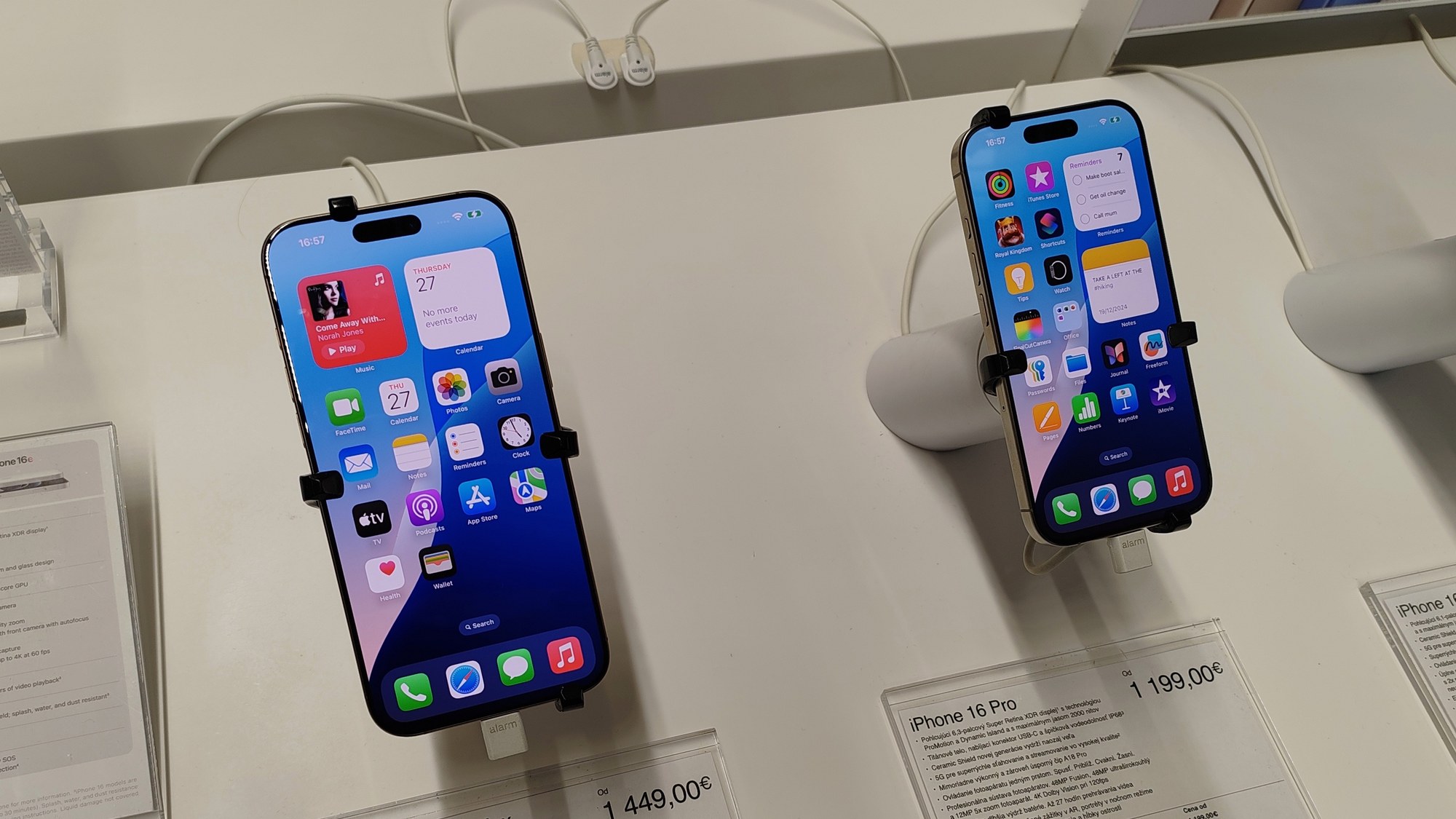
The class definition on the administrator’s site covers U.S. residents who bought an iPhone 16, 16e, 16 Plus, 16 Pro, 16 Pro Max, 15 Pro or 15 Pro Max for purposes other than resale between June 10, 2024 and March 29, 2025. The claimant must be the original purchaser, a rule the site states in plain terms. Purchases made for resale are outside the class, and Apple employees, directors, officers and judicial officials are excluded, and models missing from the list, such as the standard iPhone 15, are not named in the class.
Both ends of the window trace back to Apple’s own timeline. The company’s June 10, 2024 announcement introduced Apple Intelligence and described a Siri that could draw on a user’s personal context, with the iPhone 15 Pro and 15 Pro Max as the supported phones. The window closes in the month Apple delayed the personalized version of Siri, as MacRumors senior reporter Joe Rossignol recounted when the settlement site went live on Sept. 20.
The false-advertising claim behind the fund
The suit alleges that Apple advertised new Siri capabilities in June 2024 and then postponed the personalized version, which buyers of the newer phones had been led to expect. Judge Noel Wise of the U.S. District Court for the Northern District of California granted preliminary approval on July 24, AppleInsider reported. Apple denies all of the allegations and denies doing anything improper or unlawful, according to the administrator’s site. AppleInsider added that Apple acknowledged in March 2025 that the features were delayed and that the plaintiffs say they bought new iPhones expressly because of the Apple Intelligence features that were then not delivered.
A $25 base payment that moves with the claim count
Class members who personally submit a valid claim form receive $25 per eligible device, a figure that may rise pro rata to a maximum of $95 or fall pro rata depending on how many valid claims arrive. The $250 million total is stated before deductions for administration, attorneys’ fees and taxes, and the site states no cap on the number of devices one claimant may file. That structure makes the final per-phone amount unknowable until the claim period closes and the court rules.
The timing of any payment follows the court calendar rather than the claim date. MacRumors noted that with the final approval hearing scheduled for Feb. 24, 2027, payments to customers are not expected to begin until some point next year, so a claim filed in September and one filed in December sit in the same queue. The sequence of dates is short: claims opened Sept. 21, 2026, close Dec. 21, 2026, and the court hears final approval on Feb. 24, 2027, with preliminary approval already granted on July 24.
The per-device range is a function of participation. Because the $25 figure adjusts pro rata to the total number of valid claims, the payment climbs toward the $95 maximum only if fewer valid claims arrive than the fund can absorb, and it drops below $25 if more do. Neither outcome can be predicted from the administrator’s page, which states no expected claim rate.
Every claimed phone needs its own identifier, and Dec. 21 does double duty
MacRumors reported that the claim form asks for personal information plus the eligible iPhone’s serial number, or alternatively the claimant’s Apple Account email address and the iPhone’s phone number. With no device cap, a household that bought several qualifying phones in the window would need those identifiers for each one, and the original-purchaser rule ties each claim to the person who made the purchase rather than to whoever now carries the phone.
The calendar adds a second constraint. The administrator lists Dec. 21, 2026 as the deadline for exclusion and objection requests as well as for claims, so the choice to stay in the class, file and accept the release, or leave and pursue a separate case, has to be made by the same date. Claims must be submitted online or postmarked by then to be eligible for payment.
The route itself is direct. The claim form is filed on the administrator’s own website, smartphoneaisettlement.com, with no paid help needed, and the page read for this article lists no filing charge. The FTC makes the same point about its own programs, stating that its refund programs never require upfront fees or sensitive details such as a bank account number.
Paid Claim-Filing Services and the Siri Window
The Siri settlement is one of several open class-action windows, and its Dec. 21 deadline runs alongside others with different dates. MoneyPilot is a paid subscription service that lists open class-action settlements, shows which ones may match a member, files claim forms on the member’s behalf and tracks deadlines and payout status. Filing directly with a settlement administrator remains available without a subscription.
Click here to see how MoneyPilot lists open settlements before Dec. 21 → We may earn a commission if you buy through this link.
This article was produced with AI assistance and checked against the primary sources linked above.