Farmers and rural small businesses applying to the Rural Energy for America Program will find a narrower list of fundable projects starting October 16. A USDA final rule bars grant and guaranteed-loan money for ground-mounted solar panels and wind turbines installed on certified cropland, and it drops several other project types at the same time. The rule was published October 1, so it binds within about two weeks, even though the public can still comment for another month.
What the REAP final rule excludes on October 16
The document, issued by USDA’s Rural Business-Cooperative Service, is a final rule with comment period carrying RIN 0570-AB13. Its dates section is plain: the final rule is effective October 16, 2026, and comments must be submitted on or before November 2, 2026. That is a true effective date, not a comment deadline, so the new eligibility limits apply to the program from October 16 regardless of the open comment window.
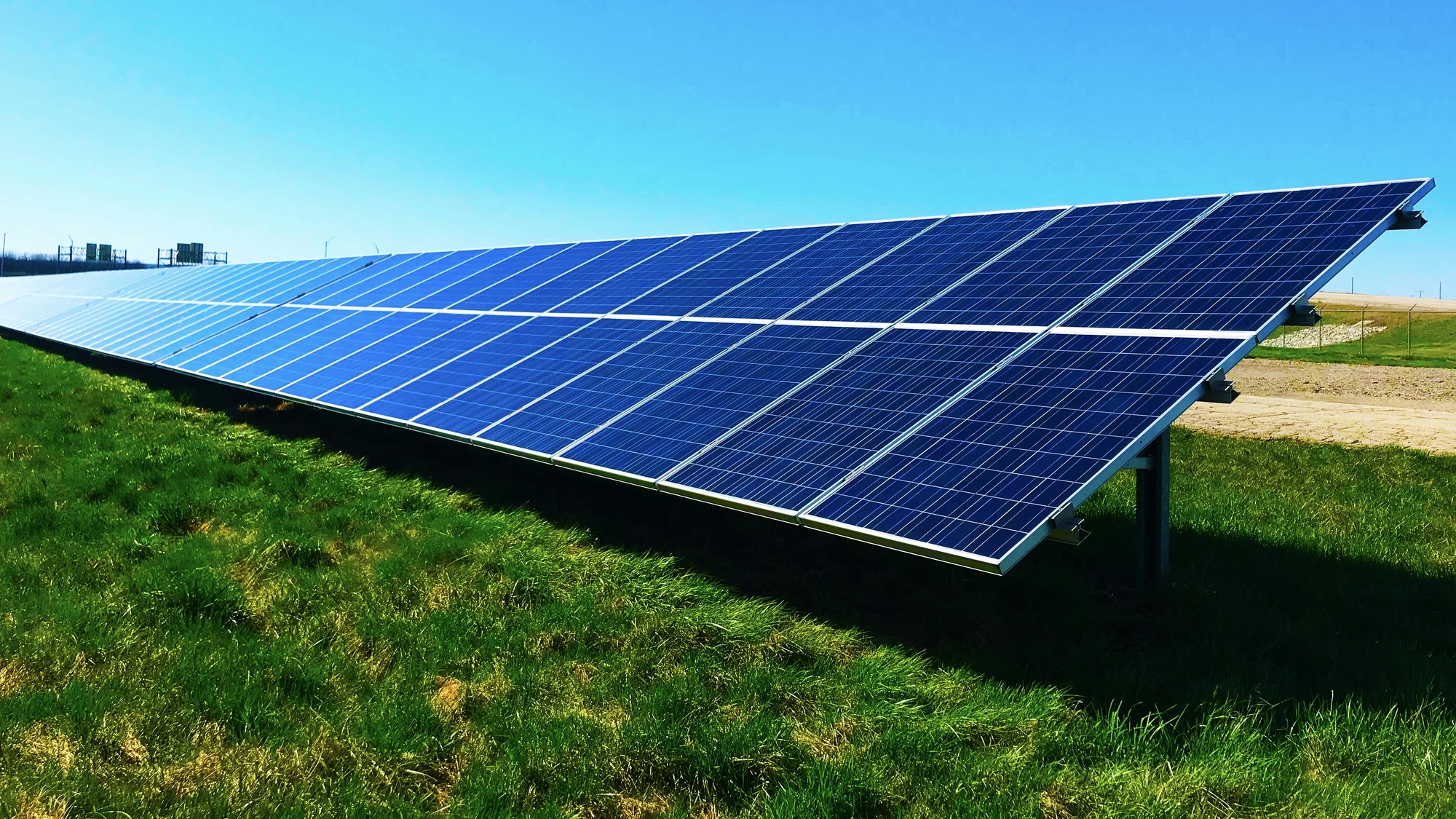
The regulatory text lists the newly ineligible items. Ground-mount solar photovoltaic systems and wind turbines installed on certified cropland are the headline exclusion. The rule also rules out systems consisting of any component made in a country named as a foreign adversary, flexible fuel pumps, electric vehicles and EV chargers, and projects that only move renewable energy from one point to another.
Further exclusions cover retrofitting an existing renewable system to add energy storage, stand-alone energy storage systems, multi-location installations, and mobile systems that are not directly mounted on vehicles used for business operations. Each of these was a category a prospective applicant might previously have pitched; from October 16 each is off the table.
How certified cropland is defined
The cropland exclusion is narrower than the phrase might suggest. The rule uses the term “certified Cropland, as defined by the Farm Service Agency in 7 CFR 718.2.” That ties the exclusion to land that has been certified through the Farm Service Agency system rather than to any field a farm happens to own. The rule text applies the restriction to both ground-mounted solar and wind turbines, and it records no exceptions for either technology.
Roof-mounted solar is not named in the exclusion list. The restriction attaches to ground-mount photovoltaic arrays and to turbines on that certified land, which is why a project’s siting, and not just its technology, now decides whether a REAP application can go forward.
The 75 percent cap on grant and guaranteed loan funding
The rule also sets a funding limit. REAP grants are subject to a 75 percent maximum on combined grant and guaranteed loan funding. In practical terms, the federal share of a project is capped at three quarters, leaving the applicant to cover the remaining quarter from its own funds or other financing. The rule does not state a per-award dollar maximum, so the 75 percent ceiling is the limit the document itself puts on a project’s federal funding.
A retrospective documentation test for applicants
Another change affects timing. The rule says projects must be “fully built and operational before the applicant ever applies.” Applicants are to submit actual energy production or savings data for the prior 12 months, alongside 12 months of pre-installation data. The practical effect is that a farm or rural business cannot apply on the strength of a design or a quote; the system has to be running and generating a record first.
That requirement sits awkwardly with how grant programs usually work, where an award arrives before construction. For a business that planned to wait on a REAP decision before buying equipment, the sequence is reversed under the rule: money is sought after the project has been paid for and measured. The two data windows, 12 months of actual production or savings and 12 months of pre-installation data, mean a completed project needs at least a year of operating history, and the rule pairs that with a project completed 12 to 24 months before the application.
Comment window and the USDA contact
The pairing of immediate effect and open comment is unusual. Agencies normally finalize a rule after comments close, whereas this document takes effect on October 16 and invites input afterward.
Because the rule is a final rule with comment period, USDA has made the changes binding while still accepting public input until November 2, 2026. Comments are due on or before that date under the rule’s instructions. The Federal Register notice names Natalie Melton of USDA’s Program Management Division as the contact for further information, at (202) 690-1371.
Anyone planning a REAP application that involves ground-mounted solar or wind on certified cropland, stand-alone storage, or a multi-location project should read the rule’s regulatory text in full, since the exclusions take effect on October 16 and the Federal Register record is the controlling document for what USDA will and will not fund.
Home-cost help for older owners and renters
Older homeowners and renters on fixed incomes often juggle property-tax breaks, heating and cooling aid and home-repair programs with different forms and renewal dates. Keeping those applications straight is its own chore.
The Senior Property Tax & Home-Cost Relief Kit is an 11-page kit that covers the 5 kinds of property-tax relief and heating, cooling and home-repair help, with an application log and renewal calendar for tracking each one.
Open the kit’s relief types and renewal calendar for home costs →
This article was written with AI assistance and verified line by line against the primary records linked in it.