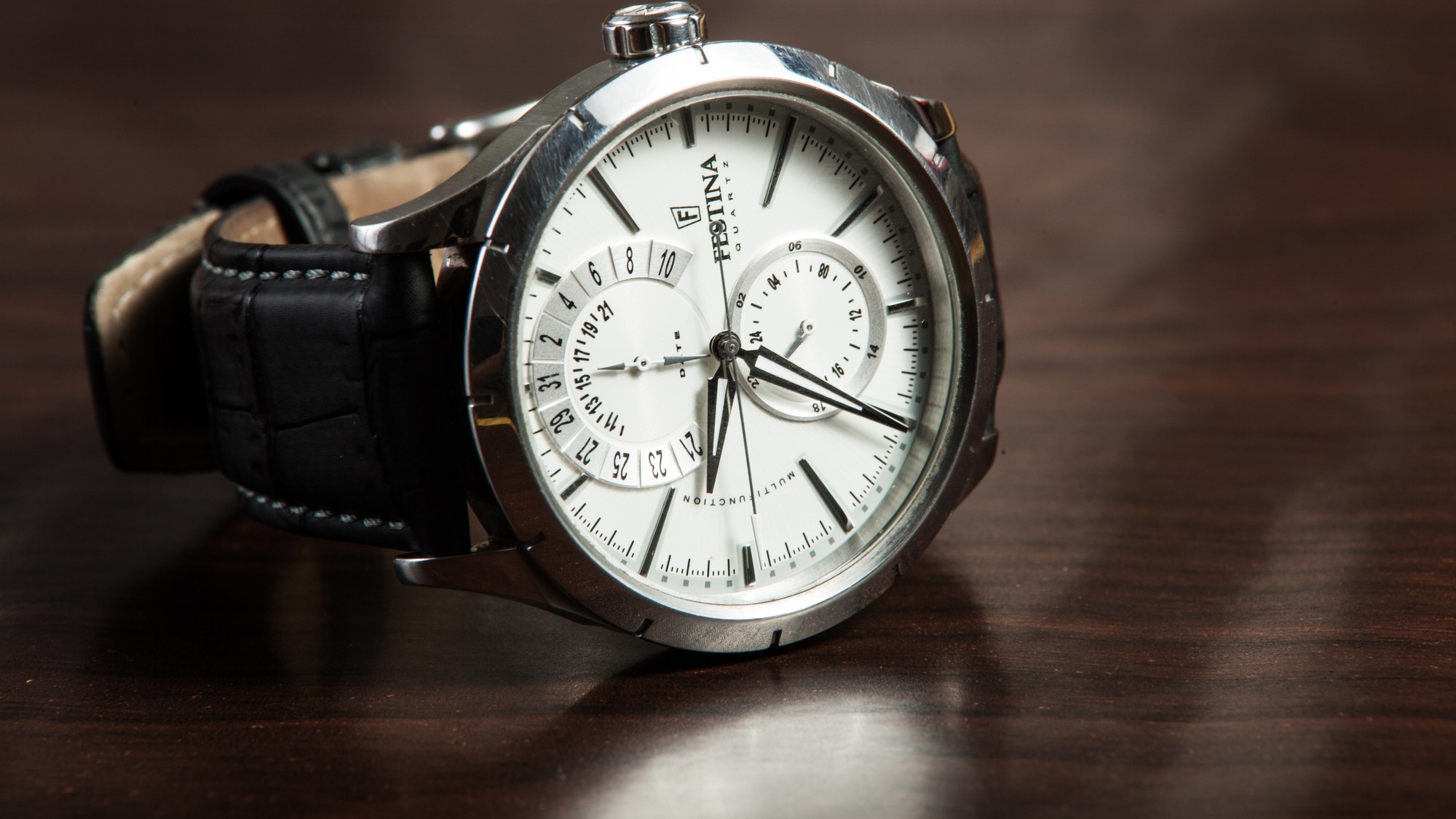
John Afriyie, 39, of New York, is accused by federal prosecutors of collecting at least $1.2 million from at least five people for luxury watches that never arrived, and of posing as a federal officer to keep the money flowing. The case sits in the Southern District of New York, where Afriyie was previously convicted of securities fraud and wire fraud for insider trading. The new charges are accusations only, and the defendant is presumed innocent.
What the Southern District of New York indictment charges
The U.S. Attorney’s release dated October 1, 2026 lists three counts against Afriyie: wire fraud, impersonating a federal officer and aggravated identity theft. He was arrested and presented before U.S. Magistrate Judge Valerie Figueredo, and the case was assigned to U.S. District Judge Denise L. Cote.
The Federal Bureau of Investigation investigated, and Assistant U.S. Attorney Samantha Fry is handling the prosecution. A DOJ press-release feed entry for the same day carries the same recidivist insider trading defendant headline, confirming the October 1 date of the announcement.
The conduct itself is older than the charge. The release places the alleged scheme between February 2023 and November 2024, a stretch of roughly 21 months. Only the charging announcement is new.
The release’s own headline frames the case in two parts, a luxury watch scheme and impersonation, and labels Afriyie a recidivist insider trading defendant. Both halves of that framing rest on the same document: the money allegedly taken for watches, and the false claim of an official role to support the story. The prior case and the new one are separate matters, and only the older one has ended in convictions.
How the luxury watch pitch allegedly worked
According to the release, Afriyie falsely claimed he could obtain luxury watches at retail price through connections in the fashion industry. The promise, as the government describes it, was access at retail price, and the release says no victim received a watch.
The government’s accounting is that victims paid, and the watches never came. In the release’s words, Afriyie “received at least $1.2 million from the victims and never provided any of the victims with the watches they were promised.” The figure is a floor, not a final tally. The release describes it as at least $1.2 million across at least five victims, and does not break it down by person.
The release does not name the victims, does not give individual payment amounts and does not say how the money was sent. Those details, along with how much more than $1.2 million may be involved, are not part of the public announcement.
The alleged fake probation officer email
The federal-officer count rests on a specific allegation. Prosecutors say Afriyie told victims that a probation officer had to review their financial transactions with him. He then allegedly impersonated that probation officer by falsifying an email and sending a screenshot of it to a victim.
The impersonation count is the part of the case that goes beyond an ordinary failure to deliver goods. By the release’s account, the supposed probation review was invented, and the email offered as proof of it was forged. The release does not say whether any victim relied on the email to send further money, or how many victims saw it; it describes one screenshot sent to one victim.
U.S. Attorney Jamie McDonald said in the release that Afriyie “took advantage of multiple victims by defrauding them of over $1 million on false promises to deliver luxury watches.” FBI Assistant Director James C. Barnacle, Jr. said that “not only did Afriyie allegedly dupe his victims,” he “allegedly bolstered his ruse by impersonating a federal officer.”
Maximum penalties on each count
The release states the statutory maximums for each count. Wire fraud carries up to 20 years in prison. Impersonating a federal officer carries up to 3 years. Aggravated identity theft carries a mandatory 2 years, which by law runs in addition to any other sentence. Those are ceilings set by statute; any actual sentence would be decided by the judge, and only after a conviction or plea.
What the release says about the earlier insider-trading conviction
The release says Afriyie “was previously convicted of securities fraud and wire fraud for insider trading in the Southern District of New York.” It gives no sentence length and no date for that case, and this report adds none. Nothing in the release says he has pleaded to, or been found guilty of, the new counts; the case is at the charging stage, with an assigned district judge and a magistrate appearance already recorded. The phrase is the record the government itself chose to put in the announcement, which is also why the headline here says previously convicted rather than counting convictions the release does not count.
On the new case, the same document closes with the standard caution: “The charges contained in the Indictment are merely accusations, and the defendant is presumed innocent unless and until proven guilty.”
A fraud recovery checklist for the first hour after a payment goes wrong
Older adults and their families who send large payments on the strength of a phone call, an email or a promised purchase often lose the first hour deciding whom to call. A short, ordered plan helps them act before the trail goes cold.
The Senior Fraud Defense & First-Hour Recovery Kit includes the first-hour recovery plan and a fraud evidence and report log, so a household can write down what was sent, to whom and which reports were made.
Open The Senior Fraud Defense & First-Hour Recovery Kit and its first-hour recovery plan →
This article was drafted with AI assistance from the cited official sources and checked against them before publication.