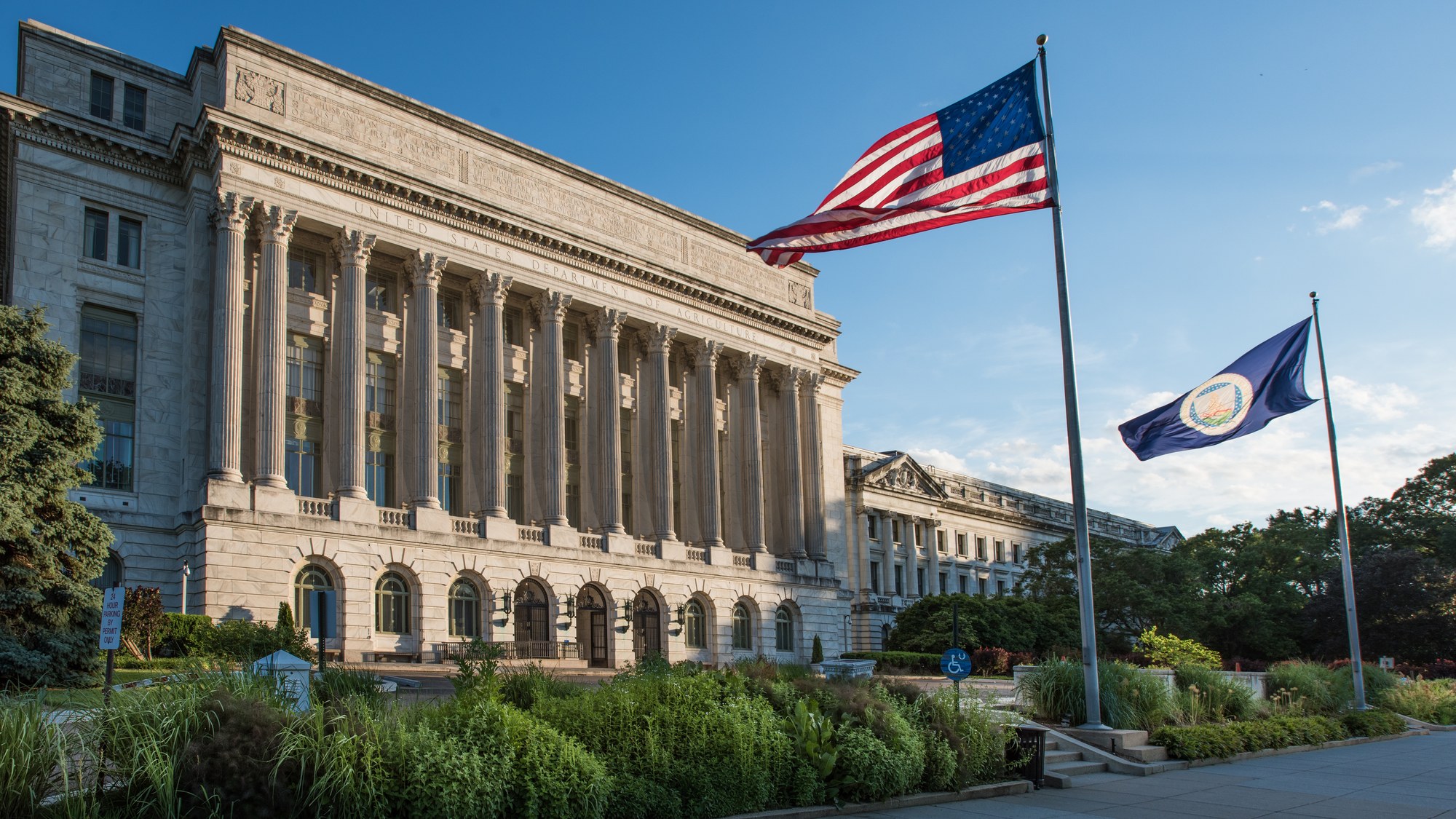
The U.S. Department of Agriculture said on September 18, 2026 that Operation SNAP Back, a sweep of SNAP-authorized stores in New York City’s five boroughs, led to enforcement actions against 170 retailers. The operation targeted bodegas, convenience stores and grocery stores and rested on hundreds of undercover investigations. The 170 figure is a city count, and the same announcement carries separate national totals.
What USDA’s September 18 release counts in the five boroughs
The department’s press release, titled “USDA’s Operation SNAP Back Hits the Five Boroughs,” describes the operation in one sentence: it “included hundreds of undercover investigations leading to action against 170 retailers.” The release uses the phrase enforcement actions for what followed, not the narrower term charging letters, and it gives the count as a single figure of 170 with no outcome numbers attached.
That gap shapes how the number reads. Action against 170 retailers means the department moved against those stores through its retailer program. It does not state that 170 stores were convicted of anything, and it does not say how many of the 170 have lost or will lose the ability to accept SNAP benefits. The release leaves each case open at the stage of an enforcement action.
Cash for benefits and alcohol on the list of alleged violations
USDA lists two kinds of conduct behind the actions. The first is SNAP trafficking, which the release defines as exchanging benefits for cash. The second is illegal purchases of alcohol and non-food items using benefits. Both fit the examples USDA gives on its SNAP fraud reporting page, which describes retailers “offering cash in exchange for benefits” and “accepting benefits for ineligible items, like alcohol or tobacco.”
The release says some of the cases were referred to the USDA Office of Inspector General for criminal prosecution. That referral is the only criminal step the document names, and it applies to “some cases,” with no count attached. The inspector general’s office takes reports of criminal activity and large-scale mismanagement through its hotline, a route the same fraud page spells out with a phone number and an online portal.
Penalties from temporary removal to permanent disqualification
According to the release, penalties “range from temporary removal to permanent disqualification” from SNAP, along with “significant monetary fines.” The federal rule that sets those sanctions is 7 CFR 278.6. It makes trafficking grounds for permanent disqualification of a firm, and it sets fixed periods for other violations: five years for the first sanction when a store sells expensive non-food items or cigarettes for benefits, three years or one year for common non-food items depending on warning history, and six months for violations traced to carelessness. A prior sanction doubles the period.
The same rule gives some stores a way out of the harshest result. A firm found to have trafficked can receive a civil money penalty in place of permanent disqualification if it shows an effective compliance policy and program, which includes training for personnel and no involvement by management in the violations. The penalty amount is calculated from the store’s average monthly redemptions. Which of the 170 stores, if any, fall into that category is not stated in the release.
Rollins and Brady frame the sweep inside a national campaign
Agriculture Secretary Brooke L. Rollins is the central voice in the release. “This is just the latest action in the Trump Administration’s fight against fraud,” she said, adding that anyone who accepts “any portion of an annual $100 billion taxpayer program” must follow the rules or face consequences. Scott Brady, executive director of the White House Task Force to Eliminate Fraud, is also quoted, saying SNAP benefits “should go to Americans, not fraudsters or illegal immigrants.” The release does not tie either statement to a specific New York store.
The national figures sit beside the city count and describe a different scope. USDA says $5.8 billion in fraud has been stopped since the Trump Administration began, that nearly 6,000 retailers have been disqualified or suspended, and that more than 2,000 illegal point-of-sale devices have been disabled or blocked. None of those totals belong to the New York operation, and the 170 stores are not a subset the release identifies within the nearly 6,000.
A July Los Angeles operation used a narrower, clearer count
A comparison with an earlier USDA announcement shows how much the New York release leaves unspecified. In a July 6, 2026 release on Los Angeles, the department said search warrants were executed at multiple SNAP retailer locations and that 33 retailers received formal charge letters. FNA Acting Administrator Shiela Corley said in that release that “fraud of any kind is a direct attack on American taxpayers and the vulnerable families who rely on SNAP.” The Los Angeles stores were described as facing potential permanent disqualification and monetary fines.
The Los Angeles announcement named the stage of the process, charge letters, for every store counted. The New York release counts 170 stores at a stage it calls enforcement actions. Reporters and analysts comparing the two cities therefore have a larger number in New York and a less defined step behind it.
Review rights that sit behind every disqualification
An enforcement action against a retailer is not the last word on that store. Under 7 CFR 278.6(n), a determination by the department’s retailer program is final and not subject to further administrative or judicial review unless the firm files a written request for review under the separate Part 279 procedures. A store that contests its case can therefore remain in dispute well after a release like the September 18 announcement is published.
USDA’s own page on the operation is the controlling record for what has been announced: 170 retailers in New York City, hundreds of undercover investigations, and a penalty range that the department says runs from temporary removal to permanent disqualification. Final counts of stores disqualified, fined or referred for prosecution have not appeared in the release.
Reporting SNAP retail fraud and recovering from other scams
Older adults and their families face a different version of fraud when a scam or identity theft hits their own accounts. The reports, dates and names are easy to lose in the rush. A written record kept from the first call onward is what makes each later report simpler.
The Senior Fraud Defense & First-Hour Recovery Kit is a 9-page kit that includes the first-hour recovery plan, the free credit-freeze steps and a fraud evidence and report log for tracking each report made.
Start a fraud evidence and report log alongside the USDA SNAP fraud reporting steps →
Drafted with AI assistance from USDA’s Operation SNAP Back release, the USDA SNAP fraud reporting page, 7 CFR 278.6 and a July 2026 USDA release, then checked against those sources before publication.