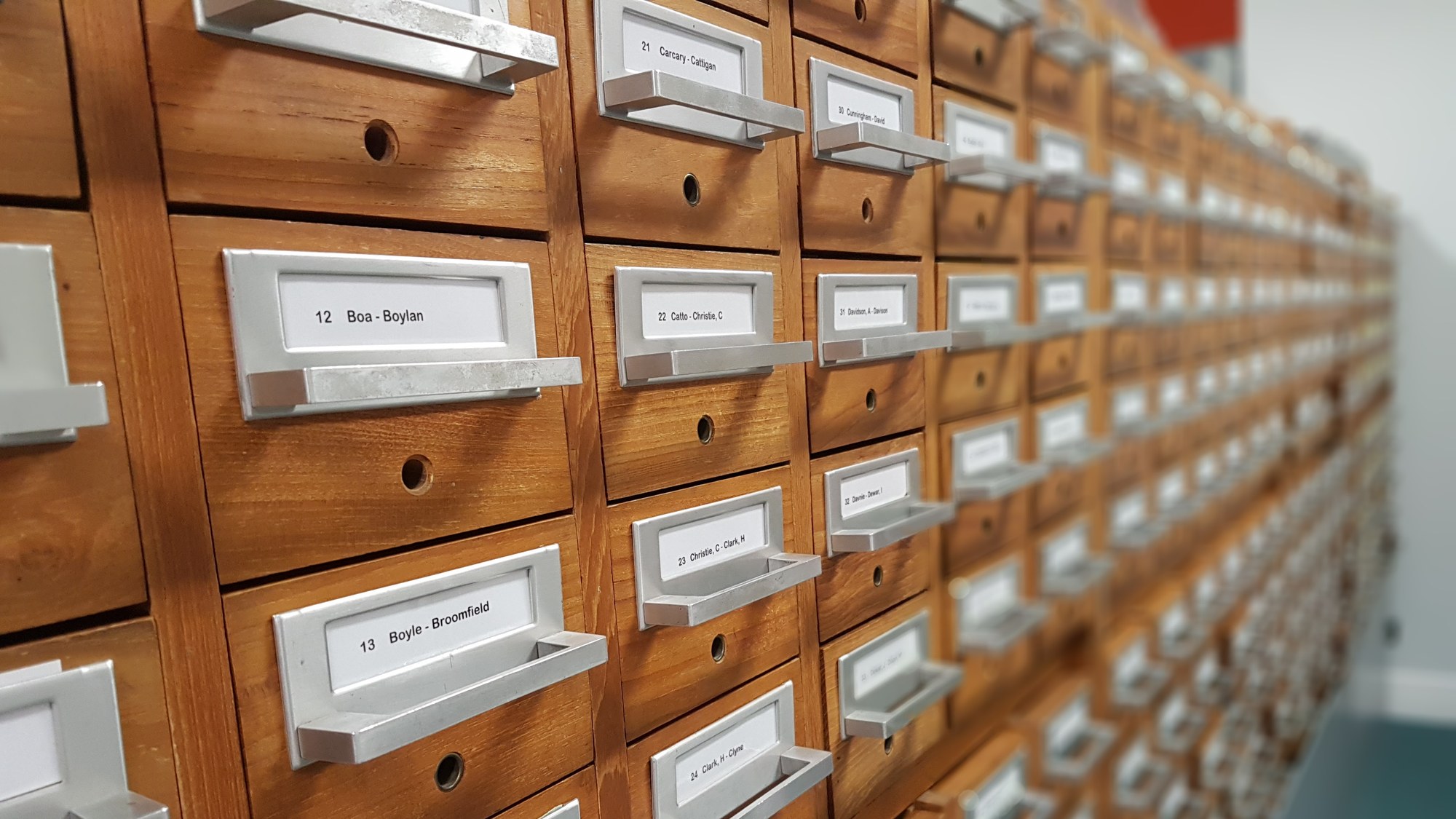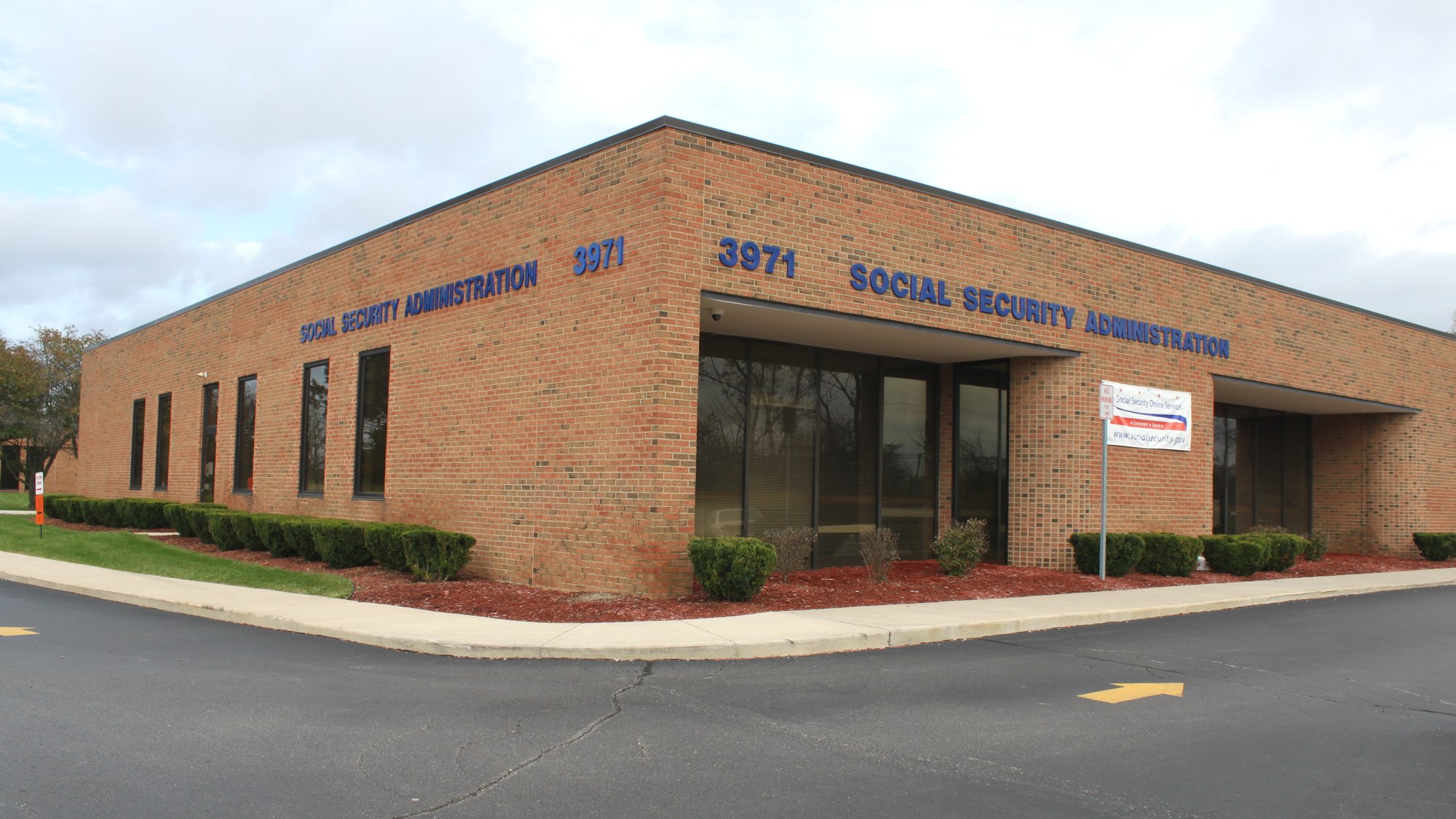
Social Security’s new fee table prices a copy of a paper folder at $151 and a copy of an electronic folder at $75, and the headline relation falls straight out of those two printed numbers: the paper charge is twice the electronic one, to within a dollar. The Social Security Administration lists each as a flat charge per request, and the schedule covers requests received on or after October 1, 2026.
Paper folder at $151, electronic folder at $75
The figures come from Federal Register public inspection document 2026-19250, a notice titled “Charging Standard Administrative Fees for Non-Program Information.” Its table carries one entry reading Copying Paper Folder, $151 per request, and another reading Copying Electronic Folder, $75 per request. Each entry is a single price. Neither is stated as a maximum, a typical cost or a range.
The notice was signed by Mark Steffensen, the agency’s General Counsel, and carries a publication date of September 21, 2026. The notice names each item and gives its price without describing what the folder holds, so the table is a statement of cost and nothing more.
Where “twice” comes from
The comparison in the headline is a reading of the table, not a new calculation. Set $151 beside $75 and the paper line is double the electronic line, off by one dollar. No sentence in the notice makes that comparison for the reader, and it gives no reason for the gap between the two formats. The table simply prints both numbers one under the other.
That matters for anyone weighing the two options, because the table treats the format as the only variable it prices. Both entries are per-request charges. Neither one varies with the number of pages in a paper folder or the size of an electronic file, at least as far as the printed lines go, and the notice attaches no per-page rate to either.
The scope of the two figures is worth stating plainly because they are easy to misread as ceilings. A flat per-request charge means the printed number is the price of the request. The table does not say the agency charges up to $151 or averages $75, and it does not tie either figure to how long a folder is or how long the agency takes to produce it.
One schedule, one effective date
Both folder entries sit in the same table as the agency’s certification charges and fall under the same rule on timing. The schedule applies to requests the agency receives on or after October 1, 2026. A request received before that date is not covered by the new table, and the notice gives no later start date for either folder line.
The agency also commits to revisiting the numbers. The notice says: “We are required to review and update standard administrative fees at least every two years.” It refers to “the most recent cost analysis” as the basis for the current table but does not publish that analysis or the fee levels it replaced, so it offers no means of measuring how far the paper and electronic lines moved.
Why a fee exists at all for these copies
The rationale is cost recovery for requests outside the programs. In the notice’s words, standard fees “ensure we recover the full cost of supplying information when we receive a request for a purpose not directly related to the administration of a program under the Social Security Act.” The schedule, then, is a charge on non-program information, and program services are not what the table prices.
The agency’s disclosure regulation uses the same dividing line. Under 20 CFR 402.80, a request counts as program related when the information must be disclosed under the Social Security Act or will be used for a purpose directly related to administering a program under it. The same section addresses charging the full cost for information supplied for non-program purposes under section 1106(c) of the Act.
What the notice leaves for the agency’s rules
Several practical points are outside the document. It does not say who may submit a request for a folder copy, and it does not say how a request is sorted between the program and non-program sides. The fee table answers one question, which is how much each format costs once a request falls under the schedule. The classification of a given request is left to the rules the agency already applies.
The notice lists a single contact for questions on the fee action, Stephen Hull of the Social Security Administration’s Accounting office, 6401 Security Boulevard, Baltimore, Maryland 21235-6401, telephone (410) 966-1890.
The pair of numbers in the table
What the record establishes is compact. Copying Paper Folder is $151 per request. Copying Electronic Folder is $75 per request. Both are flat charges, both take effect for requests received from October 1, 2026, and both are printed in the standard administrative fee table that General Counsel Mark Steffensen signed in the September 2026 Federal Register notice.
Folder copies and overpayment responses are different tasks
A copy of a folder is a records request. A notice about an overpayment, or a benefit that is already being withheld, is program business with its own forms and response windows, and the fee table does not change those.
The Social Security Check Protection Kit contains the three SSA forms that stop or pause collection, which are SSA-561, SSA-632 and SSA-634, together with an overpayment response worksheet.
Map a paper or electronic folder request against the forms that pause collection →
AI assistance was used in drafting this report, which was then checked against the Social Security Administration’s fee notice before publication.