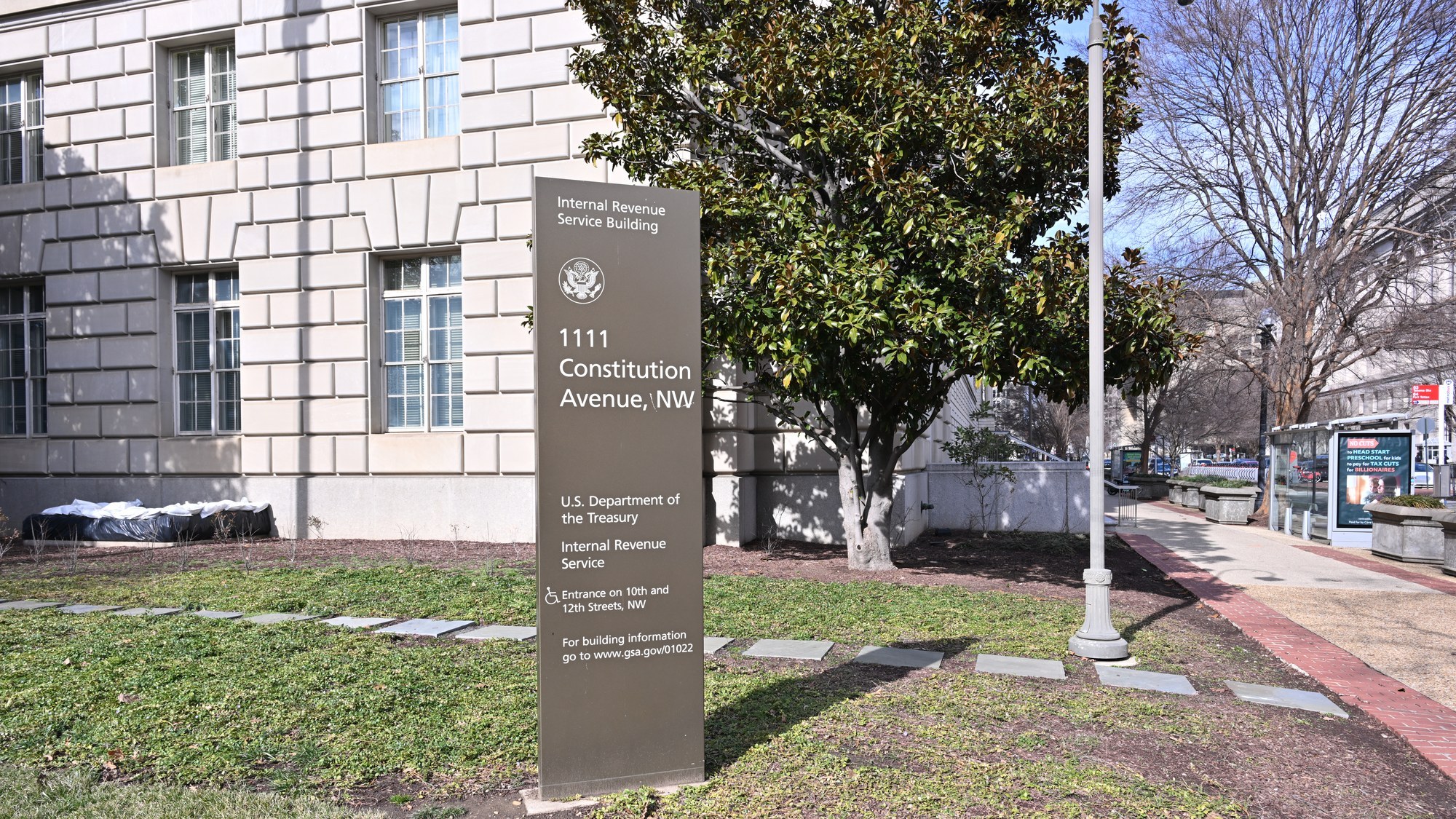
Businesses, payers and filing services that send 1099s, 1098s and similar forms to the IRS electronically have a fixed end date for the legacy system many of them still use. The agency’s August 24 reminder sets the last moment to file through FIRE at 3:00 p.m. Eastern on November 19, 2026, with two earlier cutoffs for testing and for transmitter control codes. Everything filed for tax year 2026 and later has to go through a different platform.
Three cutoffs on the IRS calendar, not one
The IRS announced the schedule in release IR-2026-99, titled as a reminder that the information return e-file system is transitioning to a new platform. It lists the dates in the order a filer will hit them.
- November 1, 2026: the last day to file test information returns through the FIRE Trading Partner Test System.
- November 9, 2026: the last day to make changes to the Information Returns (IR) Applications for Transmitter Control Codes.
- November 19, 2026, 3:00 p.m. ET: the last day to file information returns through FIRE.
The November 19 deadline is a clock time, not just a calendar day. A transmission that goes out the same evening, or after 3 p.m. Eastern, falls outside the FIRE window as the IRS describes it. Filers on the West Coast or in other time zones have to convert, since the release states the cutoff in Eastern time only.
Who has to change systems, and who does not
The release is aimed at “information return filers who currently use the Filing Information Returns Electronically (FIRE) system.” Those filers must move to the Information Returns Intake System, known as IRIS, to file tax year 2026 information returns during the 2027 filing season. Individual taxpayers who only receive forms such as a 1099 or 1098 do not file anything through either system. They see the effect only if a payer is slow to get its returns out.
That makes the practical question for a payer concrete: does the business, its payroll provider or its accounting software vendor still transmit through FIRE? Anyone who is not sure can look at which transmitter control code, or TCC, appears on the account’s most recent filing. A TCC issued for FIRE is not the same thing as one issued for IRIS.
Tax-reporting dates like these tend to arrive in clusters in the fall, and the free brief tracks the deadlines in this topic area as they come up.
Get the free deadline brief → Free from RetireShield. Unsubscribe anytime.
What IRIS offers compared with FIRE
According to the IRS, IRIS has been operating since 2023 and the agency’s own IRIS e-file page describes two filing channels: the IRIS Taxpayer Portal, a browser-based user interface, and IRIS Application to Application, known as A2A, for software that transmits directly to the IRS. The release says the portal accepts up to 100 returns at a time, by manual entry or by uploading a CSV file, and that the portal is free.
The forms supported have been growing in stages. For tax year 2025 the IRS page lists, among others, Forms 1042-S, 1097-BTC, 1098, 1098-C, 1098-E, 1098-F, 1098-Q, 1098-T, 1099-A and 1099-B, along with a wider range of 1099 variants and W-2G. Beginning in 2027, the release says, all forms previously supported by FIRE will be available through IRIS. That is the reason the agency can set a closing time for FIRE: the replacement is meant to cover the same ground.
Why the TCC date comes before the filing date
Filing through IRIS portal requires a different identifier than many FIRE users hold. The IRS page says a filer needs an IRIS Transmitter Control Code, a five-digit code that identifies the business when it e-files forms, and it points to separate applications for a portal TCC and for an A2A TCC. The page does not publish a processing time for those applications, so the November 9 date for changing an existing application is the only fixed marker the IRS provides on that step.
The test cutoff matters for the same reason. FIRE’s Trading Partner Test System is where software vendors and large transmitters check files before sending live data. After November 1, that rehearsal is no longer available on the old system, which leaves little room for a filer who waits until the final week to discover a formatting problem.
Preparing a payer’s information-return filing before November 19
For a payer that still uses FIRE, the sequence follows the IRS calendar. First, confirm whether any return, including late or corrected ones, still needs to go out through FIRE before November 19 at 3 p.m. Eastern, and send it with time to spare. Second, apply for the right IRIS TCC, portal or A2A, and, if an application already exists, make any edits by November 9. Third, decide how the 2026 returns will be sent in early 2027: by CSV upload or manual entry through the portal, or through software that connects over A2A.
The IRS release also tells filers to review its guidance and to enroll in its QuickAlerts notifications, and it says a monthly working group meets on the second Wednesday. Filers who use a service provider should ask the provider directly which of the two IRIS channels it will use, since a change on the vendor’s side can alter what the payer has to apply for.
The authoritative text is the IRS release itself, IR-2026-99 of August 24, 2026, which fixes the dates at November 1, November 9 and November 19 at 3:00 p.m. Eastern.
Moving a FIRE filing operation to IRIS by November 19
The free official starting point is the IRS’s e-file information returns with IRIS page, which links the TCC applications for both the taxpayer portal and A2A. A filer with no IRIS code should start there rather than waiting for the old system to close.
Gather the business’s legal name and EIN, the contact who will receive IRS notices, the list of form types the business files, and the count of returns typically sent. The 100-returns-per-batch portal limit decides whether manual entry and CSV upload is workable or whether software and A2A is the better route.
Put the three dates in a calendar with the time zone attached: November 1 for FIRE test files, November 9 for TCC application edits, and November 19 at 3:00 p.m. Eastern for the last live FIRE transmission.
More Financial Reading
- How many CDs can you park at 1 bank? FDIC rules you must know
- Adding someone to your bank account: tax traps and smart moves
- What really happens to your joint savings account when you die?
This article was produced with AI assistance and reviewed by The Financial Wire’s editorial team.