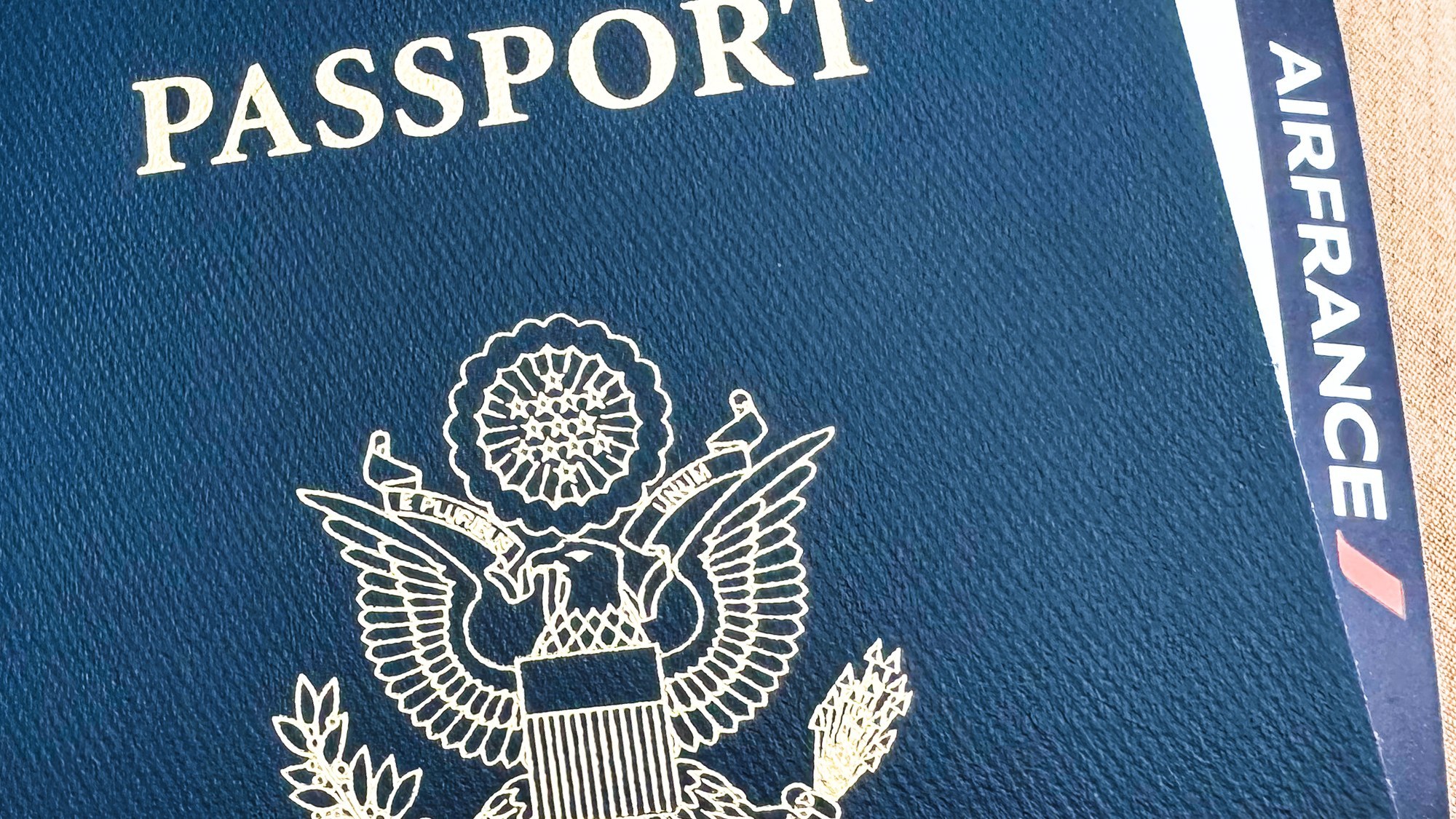
A 72-year-old man from Mexico who used the identity of a dead U.S. citizen was sentenced to 24 months in prison after collecting $95,811 in Social Security benefits and $24,269 in food stamps. The man, Simon Flores-Torres, was caught in September 2024 when he applied for a U.S. passport using the stolen identity.
Affiliate links — we may earn a commission.
The U.S. Attorney’s Office for the District of Kansas said in its announcement of the sentence that the benefits came from three programs: Social Security, Kansas Medicaid and the Supplemental Nutrition Assistance Program, known as SNAP or food stamps. The Medicaid portion was $97,095, and the SNAP portion was the $24,269 in food stamps. With the Social Security payments, the federal and state benefits in the case totaled $217,175.
A victim who had died in 2015
The identity belonged to a U.S. citizen who died in 2015. According to prosecutors, Flores-Torres took on that man’s name and Social Security number and used them to enroll in benefit programs. He was convicted on an aggravated identity theft count, and the 24-month sentence is the penalty the court imposed.
Dead people’s identities are attractive to fraudsters for a simple reason: nobody is left to complain. A living victim notices a strange bill or a rejected application. A person who has died cannot. For families, the case is a reminder that a relative’s Social Security number stays valuable long after the funeral, and that the personal details attached to it are often sitting in places the family never thinks about, such as people-search sites and data broker lists.
The question this case leaves for readers is how much of their own information is available to someone who wants to borrow it. Incogni sends removal requests to those brokers for you, and less personal data on broker lists can mean fewer scam calls, texts and emails.
What the programs treat as fraud
Social Security describes fraud on its fraud page as a person intentionally giving false information to receive benefits. Using another person’s name and number to be paid fits that description. The agency’s Office of the Inspector General runs a fraud hotline at 1-800-269-0271.
The inspector general’s reporting page lists misusing a Social Security number or Social Security benefits among the conduct it wants reported. It also names hiding eligibility factors such as work, earnings, disability or living arrangements.
The food stamp side works the same way. The Department of Agriculture’s SNAP fraud page, updated September 8, 2026, describes recipient fraud as lying about income or identity in order to get benefits. Among the consequences it names are removal from the program, fines, prison time and criminal charges. In this case the court chose a prison term of two years.
How the passport application undid the scheme
Prosecutors say the arrangement ended when Flores-Torres attempted to obtain a U.S. passport using stolen identity documents in September 2024. A passport application asks a federal agency to certify that the applicant is the citizen named on the form, and that request is what exposed him.
The sentence is a reminder that identity-based benefit fraud does not need to be sophisticated to last. It needs a real person’s number and no one asking questions. The 24 months in prison is the punishment, and the amounts taken from Social Security, Medicaid and SNAP are the scale of the loss to taxpayers.
The case also shows why the three programs matter together. Social Security, Medicaid and SNAP each pay on a different schedule and through a different agency, yet the same stolen name and number opened the door to all of them. Prosecutors put the Medicaid share at $97,095, larger than either of the other two, which is a reminder that health coverage is part of what identity thieves collect, not only monthly checks and grocery benefits.
Limiting what scammers can borrow
The free starting point is the Federal Trade Commission’s IdentityTheft.gov, where people who find their information misused can report it and get a recovery plan. Families settling a relative’s affairs can start by asking the three credit bureaus to note the death on that person’s file and by freezing credit, a step that blocks new accounts from being opened under the number.
Beyond that, the job is shrinking the pool of personal details that are easy to find. Home address, date of birth, phone numbers and relatives’ names are the raw material that impostors use to answer security questions. Searching a name on a few people-search sites shows what is exposed, and most sites offer an opt-out form, though the process is slow and has to be repeated because the listings return.
Anyone who suspects that a Social Security number is being used by someone else can report it to the inspector general through the fraud hotline and reporting page above.
Incogni asks data brokers and people-search sites to remove personal information, and it keeps re-sending those requests, which does the repeating part of the opt-out job for families.
Get Incogni to send people-search opt-out requests after the Flores-Torres case →
This article was produced with AI assistance and reviewed by The Financial Wire’s editorial team.