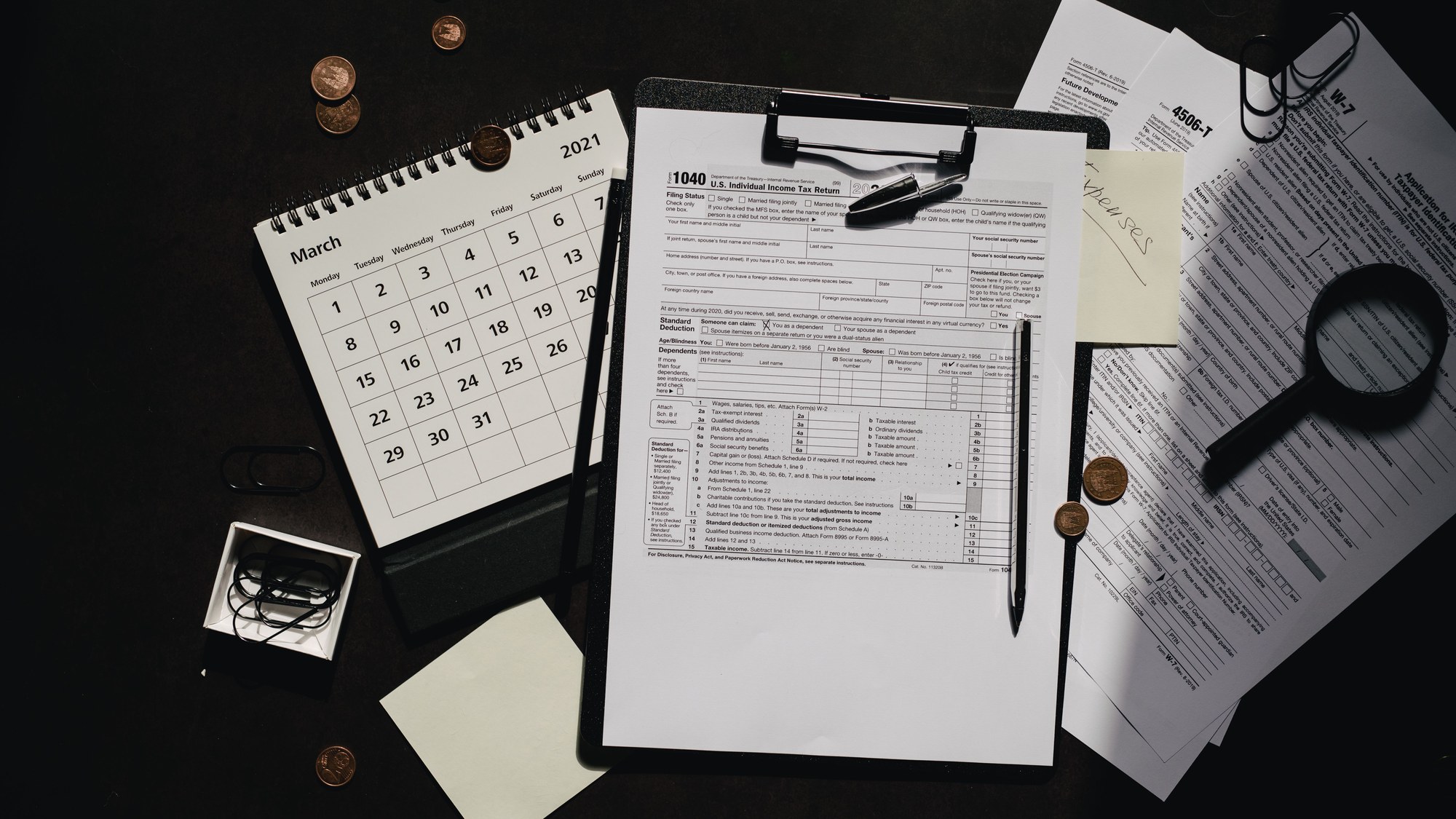
Joseph Clay, 52, of Lodi, New Jersey, has pleaded guilty in federal court to a tax fraud scheme that ran through his Yonkers tax businesses and cost the government nearly $6 million. Prosecutors say he repeatedly and routinely added fake deductions and fictitious energy credits to the returns he prepared for clients.
The U.S. Attorney’s Office for the Southern District of New York announced the plea on October 1, and the IRS Criminal Investigation division carried the same account. Clay pleaded guilty to one count of aiding and assisting in the preparation of a false and fraudulent U.S. individual income tax return, according to the U.S. Attorney’s release.
What the fake deductions and credits were
The IRS release describes two kinds of false items. One was inflated or fictitious itemized deductions, the line-by-line subtractions that lower a taxpayer’s taxable income. The other was fraudulent residential energy credits, which are written off against the tax bill itself. Both reduce what a household owes or increase a refund, and neither was backed by anything real, according to the government.
The people who hired a preparer are the ones whose situation is the open question in a case like this. A client whose return was prepared by Clay’s businesses between 2019 and 2024 should look at what was claimed on it: itemized deductions that were never actually paid and residential energy credits for work that was never done. Signing a return makes the taxpayer responsible for it, even when someone else filled it in, so a padded return can come back as a notice, a bill or an amended filing. Nothing in the release says that any particular client is under review.
Tax dates and enforcement deadlines move every year, and The Retirement Money Brief sends the ones that matter, one email each weekday.
Get the free deadline brief → Free from RetireShield. Unsubscribe anytime.
Over the period, Clay filed more than 3,500 tax returns with the IRS and New York state tax authorities for tax years 2018 through 2023, the release says. That number is the total he filed, not a count of returns that carried false items. What the release says is that he repeatedly and routinely put false information on the returns he prepared, which is the conduct the plea covers.
U.S. Attorney Jamie McDonald put the case in terms of the preparer’s role. “Tax preparers are entrusted with helping their clients follow the law—not systematically falsifying returns to manufacture deductions and refunds,” McDonald said in the release.
How the nearly $6 million splits
The loss has two parts. The IRS release says the scheme deprived the federal government of more than $5 million in tax revenue and deprived New York state tax authorities of close to $900,000. Together, that is the nearly $6 million in the headline of the case. It is a loss to the tax system, measured in taxes that should have been paid, not an amount Clay personally kept, and it is the figure Clay admitted in connection with the plea.
Clay also agreed to pay restitution of more than $5 million to the IRS, the release says. Restitution is a court-ordered repayment to the victim of a crime, and here the victim is the federal government.
One count, a three-year maximum and a federal judge
The single count Clay pleaded to carries a maximum sentence of three years in prison, according to the IRS release. A maximum is the ceiling the statute sets, not a forecast of the sentence. The case is before U.S. District Judge Cathy Seibel, who will decide the sentence. The releases do not give a sentencing date in the portions available.
The charge is narrower than the scale of the conduct. The plea is to aiding and assisting in the preparation of a false return, which is a charge against a preparer for what he put on other people’s returns. It is not a charge against his clients, and the releases do not name any.
What the case shows about paid preparers
The IRS says on its page for taxpayers that anyone can be a paid tax return preparer as long as they have an IRS Preparer Tax Identification Number, known as a PTIN. The agency also lists return preparer fraud among the common tax scams. A PTIN is a registration number, so it shows that the preparer signed up, not that the preparer’s work is accurate.
Reviewing a preparer’s work and reporting a padded return
For anyone who used a preparer who may have added items they never discussed, the first job is to pull out the filed return and compare it line by line with the receipts and records at home. Itemized deductions should match payments actually made, and an energy credit should match work actually done on the home. A claim for something that never happened is the red flag in this case.
The IRS has a page to make a complaint about a tax return preparer. It points to Form 14157 for reporting preparer misconduct or fraud and to Form 14157-A, which is used to make a change to an individual’s tax account. Taxpayers who find a false item on a filed return can talk to a tax professional they trust about amending it before the IRS or the state raises it.
The U.S. Attorney’s release and the IRS Criminal Investigation release are the places where any sentence in the case will be announced.
More Financial Reading
- How many CDs can you park at 1 bank? FDIC rules you must know
- Adding someone to your bank account: tax traps and smart moves
- What really happens to your joint savings account when you die?
This article was produced with AI assistance and reviewed by The Financial Wire’s editorial team.