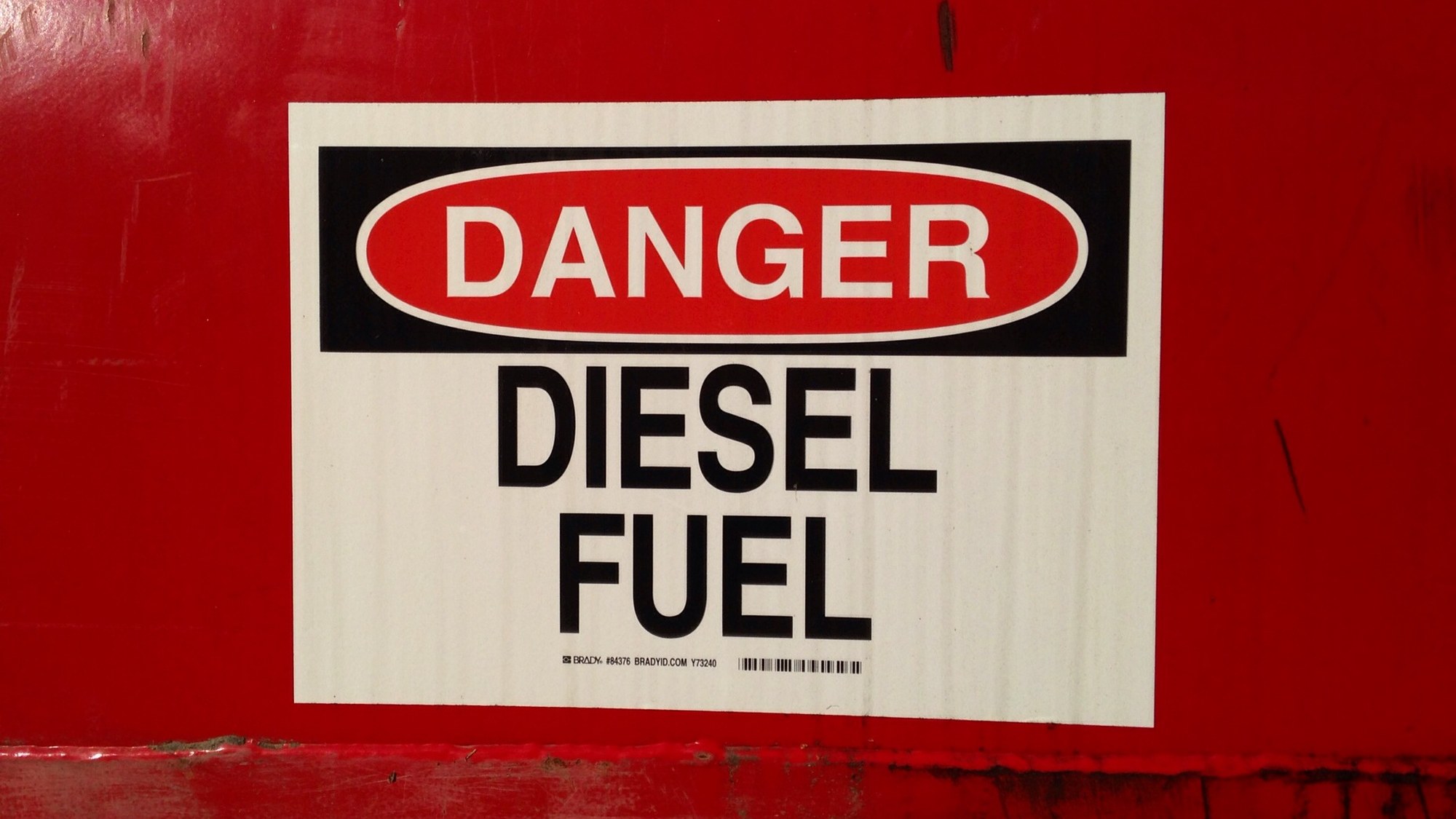
Georgia and North Carolina have both waived state penalties for putting red-dyed diesel in highway vehicles, Georgia through Nov. 5 and North Carolina through the end of 2026. Dyed diesel is the fuel sold for off-road work such as farm equipment, and running it on a public road normally brings penalties.
Gov. Brian Kemp announced Georgia’s suspension on Oct. 6. North Carolina’s relief came first: Gov. Josh Stein announced it Sept. 30, five days before President Trump’s Oct. 5 executive order on diesel, according to a state roundup of reaction dated Oct. 7. The Trump order encourages states to adopt matching policies, so all three layers now overlap.
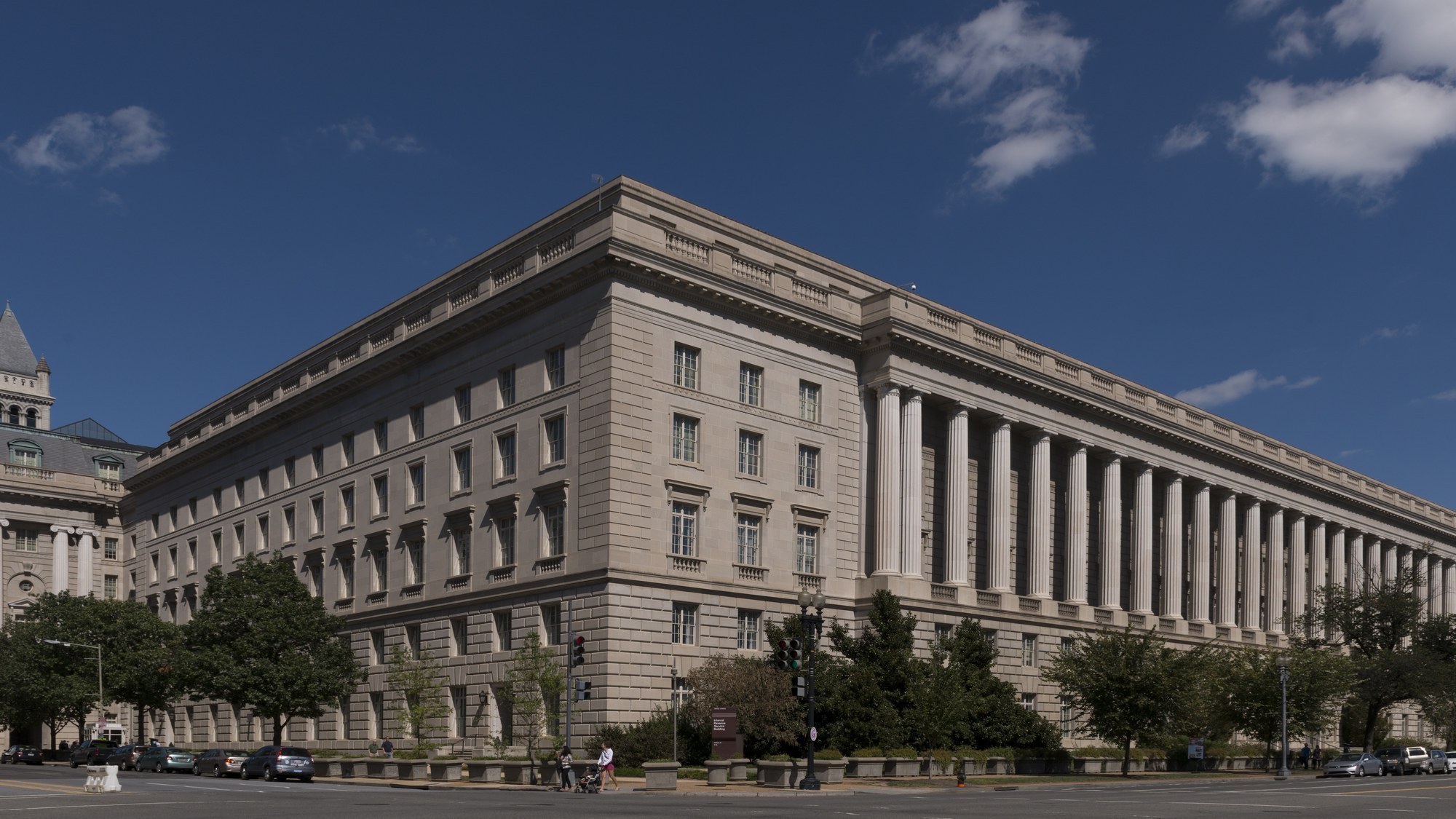
The question for a farmer, logger or trucker holding red-dyed diesel is which penalties each layer removes. A state waiver covers state penalties only. Federal penalties for dyed diesel used on a highway are the Internal Revenue Service’s to waive, and the executive order directs the IRS to announce that relief rather than granting it on its own. The IRS’s list of news releases, last updated Oct. 7 with release IR-2026-120, carries no diesel announcement yet.
Georgia’s Nov. 5 and North Carolina’s Dec. 31 cutoffs are the two dates that move if either governor extends the relief.
Get each new number in one short weekday email →
Georgia: relief tied to an emergency that now runs to Nov. 5
Kemp amended the state of emergency order issued the week before, after consulting Lt. Gov. Burt Jones, House Speaker Jon Burns and Agriculture Commissioner Tyler Harper. For the duration of the emergency, the release says, “there will be no state penalties incurred for selling, delivering, or using dyed fuel oil for on-road vehicle use.” The emergency and the waiver were extended through Nov. 5.
The release also points to Executive Order 09.28.26.01, which suspended the state motor fuel tax and removed state weight limits on commercial vehicles. The governor’s office cited AAA figures: regular gasoline fell about 33 cents a gallon in the week after the gas tax suspension, diesel fell more than 42 cents, and Georgia’s regular price sits 51 cents below the national average. “With our farmers and truckers under heavy pressure, we’re leaving no stone unturned when it comes to giving them relief,” Kemp said.
North Carolina: a waiver built for harvest
Stein’s action suspends enforcement of the penalty for using red-dyed diesel on highways through the end of 2026, so farmers and loggers can burn fuel they already have stored for off-road use during harvest. North Carolina diesel reached $6.25 a gallon in September, a record, according to the governor’s office.
Shawn Harding, president of the North Carolina Farm Bureau, said in the roundup that “diesel expenses have been the number one concern I’ve heard from farmers in what has already been a challenging year.” John Hatcher, executive director of the North Carolina Forestry Association, called it “much needed, immediate relief” for the state’s forest products industry, and Todd Waters of the Southeastern Cotton Ginners Association said fuel “has been one of the biggest costs for growers this year.” The roundup does not name an executive order number or the state agency that will carry out the waiver.
The federal order behind both
Trump’s Emergency Tax Relief on Diesel Fuel, dated Oct. 5, says “restricted global diesel supply has led to rising prices” and that farmers and truckers have been hit hardest. It directs the Treasury Secretary to defer payment of certain diesel excise taxes, and directs the IRS to announce that it will not impose the penalties under 26 U.S.C. 6715(a)(1) and (a)(2) for dyed diesel sold for use or used on the highway. Relief runs from Oct. 5 through Dec. 31, 2026.
The order stops short of forgiveness: its fourth section tells the Treasury Secretary to explore options, including legislation, to eliminate the obligation to pay the deferred amounts. It also tells the Transportation Department to continue existing compliance enforcement, and directs the White House Office of Intergovernmental Affairs to encourage states to adopt matching policies.
Where the dates split
The three clocks end on different days. Georgia’s state waiver ends Nov. 5, North Carolina’s ends Dec. 31, and the federal relief period, once the IRS announces it, ends Dec. 31. That leaves a 56-day stretch, from Nov. 6 through Dec. 31, when a Georgia operator running dyed diesel on a road would be covered by any federal relief but not by the state waiver, unless Kemp extends the emergency again.
Checking dyed-diesel relief before fueling up
The first check is the agency that enforces the penalty. For Georgia, the Department of Revenue is the office listed as a media contact on the governor’s release; for North Carolina, the roundup names no agency, so a fuel user there should confirm the waiver’s terms with the Governor’s Office or the state Department of Revenue before relying on it.
Records matter in both states. Fuel purchase receipts, the dates of any fill-ups and the vehicles or equipment that burned the fuel give a user something to show if a penalty is questioned later. The federal piece should be checked directly on the IRS newsroom page once the agency issues the notice the executive order calls for, since the state waivers say nothing about federal penalties.
The executive order’s own dates supply the outer limit: relief from Oct. 5 through Dec. 31, 2026, with Georgia’s Nov. 5 date the first to arrive.
More Financial Reading
- 24 Ways to Stretch a $2,087 Social Security Check
- 17 Places to Find Your Share of the $4.25 Billion States Give Back
- The New $6,000 Senior Deduction and 15 More Tax Moves for Retirees
This article was produced with AI assistance and reviewed by The Financial Wire’s editorial team.