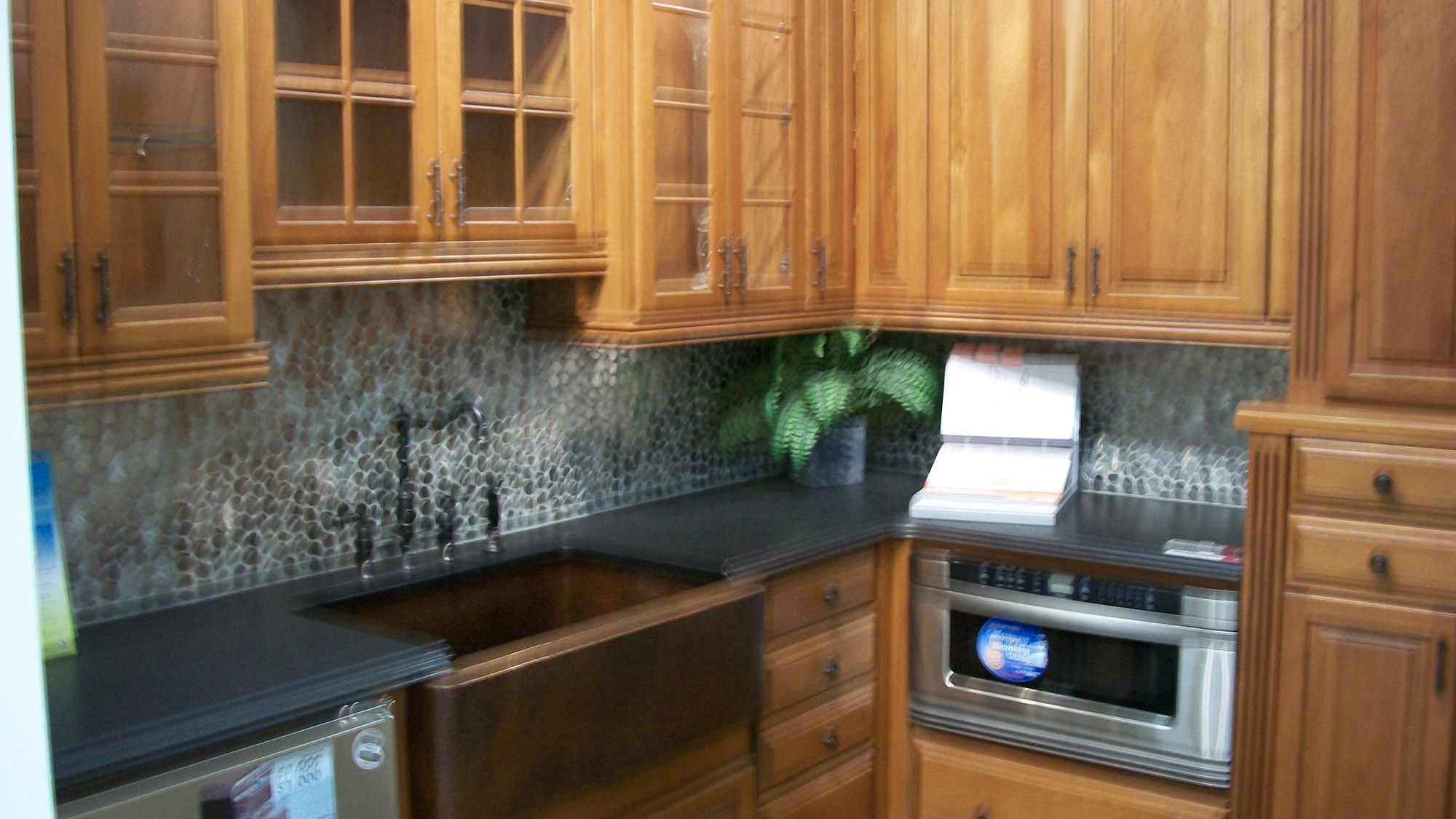
The import tariffs on kitchen cabinets and bathroom vanities are set to double on January 1, 2027, from 25% to 50%. Tariffs on imported upholstered wood furniture are due to rise from 25% to 30% the same day. Softwood timber and lumber, the building material most people mean by “the lumber tariff,” is not in line for an increase and stays at 10%.
The Congressional Research Service lists the timber and lumber tariffs in its latest tally of active presidential tariffs, with a note that an increase for “certain products” is scheduled for that date. The rates behind that note are in the two White House proclamations that created and then delayed the increase.
What rises on January 1 and what does not
The tariffs come from a Section 232 national security proclamation signed September 29, 2025, and in force since October 14, 2025. That proclamation set a 10% duty on softwood timber and lumber, a 25% duty on upholstered wooden products, and a 25% duty on kitchen cabinets and vanities, finished units and parts alike. It scheduled increases for January 1, 2026, to 30% for upholstered products and 50% for cabinets and vanities.
On December 31, 2025, the White House signed a second proclamation that moved those increases back a year. The amendment says the increases take effect “Effective January 1, 2027.” KPMG’s tax newsletter reported the same change, with no change to the softwood lumber rate.
The Congressional Research Service puts today’s range for the whole action at 10% to 25% globally, with rates that vary by product and country.
Why cabinets and vanities are the number to watch
The tariff is a percentage of the value of the goods at the border. A shipment of cabinets valued at $100,000 at the port carries $25,000 in duty today and $50,000 after January 1. That is the importer’s cost before freight, markups and the retailer’s margin. Whether and how much of it reaches a homeowner’s quote depends on contractors and stores, and none of the government documents estimate it.
Anyone planning a kitchen or bathroom remodel for next year has a plain question: will a cabinet order placed in December cost less than one placed in February? The proclamations do not set retail prices. They set the duty on goods when they enter the country, so the date a shipment clears customs matters.
The increase lands on January 1, 2027, and it catches anyone ordering imported cabinets or vanities whose shipments clear customs after that date.
Get the deadline alerts before they pass →
Who is on the hook for the duty
The duty is charged on the goods when they enter the country. For cabinets, the proclamation covers finished units and parts alike, so a manufacturer bringing in cabinet components pays the same percentage as one importing a whole vanity. How much of the cost flows through to a remodeling quote is set by the contractor, the cabinet dealer and the competition, not by the proclamation.
The exceptions that can change the numbers
The January increase does not apply to countries that reach an agreement with the United States on wood product imports. The proclamation says so directly, with the words “except for countries with which the United States reaches an agreement.” The first proclamation also set ceilings for two trading partners. Wood products from the United Kingdom face a tariff that “shall not exceed 10 percent.” For the European Union and Japan, the tariff plus the ordinary duty rate cannot exceed 15%.
That means the 50% figure is the top of the schedule, not a rate every imported cabinet pays. A vanity from a country with a deal, or from the U.K., E.U. or Japan, may be taxed at much less. The country of origin printed on the customs paperwork decides it, and that is a question for the importer or the retailer.
The delay was also tied to negotiations. The December proclamation directs the U.S. Trade Representative to keep negotiating agreements on wood products and to report back. If a deal is reached with a major supplier before January 1, that supplier’s goods would not take the increase.
Hardwood and other pending decisions
The original proclamation told the Commerce secretary to update the President on hardwood timber and lumber by October 1, 2026, to assess whether an additional duty is warranted. No such action appears in the Congressional Research Service’s tally, which is current as of September 30. The proclamation also lets Commerce add more wood products to the tariffs through a process it sets.
The tally covers a lot of ground beyond wood. The Congressional Research Service lists the Section 232 duties on steel, aluminum and copper at 10% to 50%, trucks at 25% and polysilicon taking effect December 4. It also notes that the Supreme Court invalidated the emergency-powers tariffs on February 20, 2026. The wood tariffs rest on Section 232 and remain on the list of active actions.
Pricing a remodel before the January step-up
The free sources are the proclamations themselves, which are public on whitehouse.gov, and the Congressional Research Service’s running tally, which is updated as tariff actions change. A rate change would appear there and in a new proclamation before it reached a store shelf.
Anyone getting a quote for imported cabinets or vanities can ask three things in writing: where the product is made, whether the price includes the current 25% duty, and whether the price holds if the order ships after January 1. A contractor who buys by the container will know the answers, and a quote that says “price subject to tariff changes” is worth asking about.
The dates that matter are the January 1, 2027 step-up and any trade agreement announced before it. Softwood lumber at 10% is the one line in the schedule with no increase attached.
More Financial Reading
- 24 Ways to Stretch a $2,087 Social Security Check
- 17 Places to Find Your Share of the $4.25 Billion States Give Back
- 20 Medicare Money Moves Now That Part D Caps at $2,400
This article was produced with AI assistance and reviewed by The Financial Wire’s editorial team.