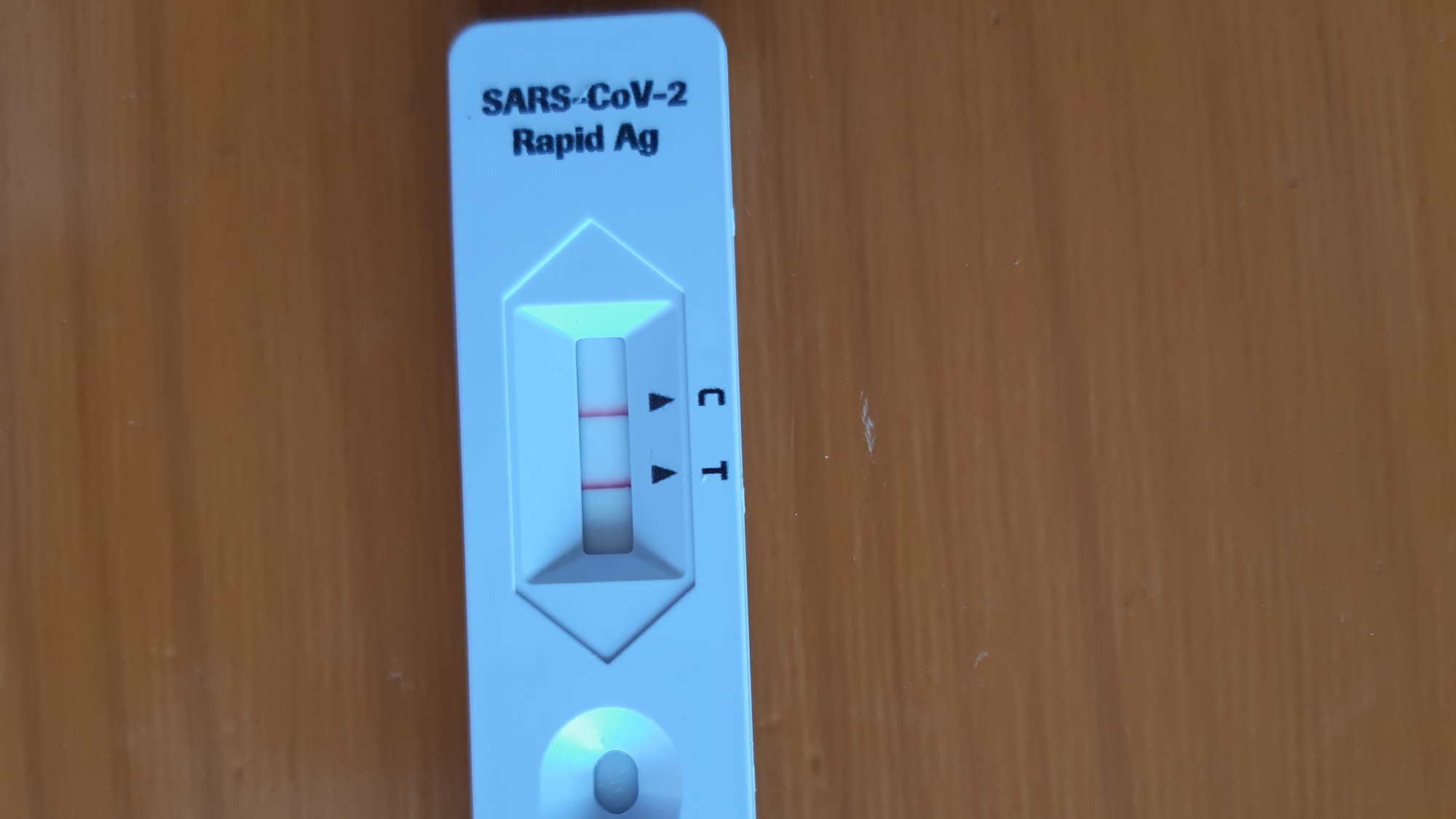
A federal grand jury has indicted Rajesh “Raj” Patel, 52, of Schaumburg, Illinois, the co-owner and chief operating officer of a clinical laboratory in Hillside, on five counts of wire fraud. Federal prosecutors say the lab billed about $66.2 million in fake COVID-19 test claims to the HRSA Uninsured Program and that Patel personally took about $28 million. The Justice Department announced the case on October 20.
Tests prosecutors say were never run
The lab processed PCR COVID-19 tests. Prosecutors say that between May 2021 and April 2022, Patel created fake negative results for at least 380,000 PCR tests the lab never performed. An indictment is only an allegation, and Patel is presumed innocent unless proven guilty beyond a reasonable doubt.
The lab then submitted about $66.2 million in claims to the HRSA Uninsured Program, a federal program run by the Health Resources and Services Administration. HRSA paid the lab about $44.1 million. The gap between billed and paid is worth keeping straight: $66.2 million is what prosecutors say the lab claimed, and $44.1 million is what the program actually sent.
Prosecutors say Patel personally obtained about $28 million from the scheme. The lab also paid Meridian Medical Staffing Inc., a company that collected specimens and supplied patient information, what the Justice Department describes as tens of millions of dollars. Many of the purported patients, prosecutors say, never existed or never provided specimens.
Checking statements for services never received
The Patel case involves a program for uninsured patients, not Medicare, and the Justice Department does not say whether any real person’s information was used. But billing for services that never happened is the kind of fraud Medicare says beneficiaries can help catch. Its advice is to compare a calendar against Medicare statements to confirm each listed service took place, and to check Original Medicare claims in a secure Medicare.gov account.
Retirement deadlines, in your inbox: Miss an enrollment or claim deadline and the money can be gone. The Retirement Money Brief keeps you ahead of the ones that matter, every weekday.
Get the Retirement Money Brief →
We may earn a commission from links on this page.
A charge that looks wrong should start with a call to the provider’s office. Anyone who still sees a problem can call 1-800-MEDICARE, call the I-MEDIC at 1-877-772-3379 for a Medicare Advantage or drug plan, or report online through the HHS Office of Inspector General. Medicare says it will not call to sell anything or visit a home, and identity theft goes to IdentityTheft.gov.
Medicare also points to two outside resources. The Senior Medicare Patrol resource at smpresource.org tracks recent scams, and the State Health Insurance Assistance Programs at shiphelp.org offer local help to beneficiaries with questions about a bill or a plan.
Five counts, 20 years each, and no court date yet
Patel faces five counts of wire fraud, and each count carries a maximum of 20 years in prison. A maximum is a ceiling set by statute, and any sentence would come only after a conviction. The grand jury sat in the Northern District of Illinois, and the Justice Department lists no arraignment date, so Patel’s first court appearance on the charges has not been announced.
Colin M. McDonald, the Assistant Attorney General who leads the Justice Department’s Fraud Division, said every dollar taken from a federal health care program is a dollar taken from the American people. Ryan Whalen, the FBI’s Special Agent in Charge in Chicago, said people entrusted with federal health care dollars have a responsibility to bill honestly and accurately.
Thomas Ethridge, the Special Agent in Charge for the Department of Health and Human Services Office of Inspector General, said that office is committed to holding accountable those who seek to profit through fraud and abuse. The FBI Chicago field office and HHS-OIG investigated the case.
Trial Attorney Claire Sobczak Pacelli of the Fraud Division’s Health Care Fraud Section is prosecuting. According to its own description, the section has more than 75 white-collar prosecutors who work in nine strike forces nationwide alongside the FBI, HHS-OIG, the Centers for Medicare and Medicaid Services, the DEA and IRS Criminal Investigation, and who use data analysts to find emerging schemes.
The section says it prosecutes schemes with losses of hundreds of millions of dollars, so Patel’s $66.2 million in claims is large but not the top of its docket. It also says it works to protect patients from health care fraud that causes harm, not only to protect the public treasury, and it conducts more trials than any other Justice Department component.
Anyone with information about health care fraud can email the section’s tip address, HCF.tips@usdoj.gov, which the unit lists alongside contacts at HHS-OIG, the FBI and the DEA. Medicare beneficiaries have the separate routes above, and a suspicious bill that involves identity theft belongs at IdentityTheft.gov.
The period charged runs from May 2021 to April 2022, which puts the indictment about four and a half years after the last alleged fake result. The release does not say what first drew investigators to the lab, and it does not name the lab itself.
The case comes out of the Justice Department’s National Fraud Enforcement Division, also called the Fraud Division, which McDonald leads. Its page lists a National Fraud Detection Center for taxpayer-funded programs, launched August 24, and $245 million in COVID loan fraud enforcement activity announced September 14 with the Small Business Administration and its inspector general.
Two pieces remain open. The court calendar has not been set, and the $28 million prosecutors say Patel took is still an allegation until a jury or a guilty plea says otherwise. The Justice Department release names no one else as charged, including Meridian Medical Staffing.
Would a test that was never taken show up on a statement?
Fake claims surface only when someone looks. Prosecutors say the Illinois lab billed for results of tests it never ran, and fraud like that tends to be caught on paper, in a statement or a bill, long before anyone gets a phone call.
The Senior Fraud Defense & First-Hour Recovery Kit gives a first-hour recovery plan, the free credit-freeze steps and a fraud evidence and report log for keeping dates, calls and statements in one place. This case is about federal health money, and the kit finishes the related job of what to do when a name or number turns up in someone else’s scheme.
Keep a fraud evidence log with the Senior Fraud Defense Kit →
More Financial Reading
- 21 Ways to Stretch a $2,087 Social Security Check
- 15 Places to Find Your Share of the $4.25 Billion States Give Back
- 15 Steps to Stop the Scams That Took $7.7 Billion From Seniors
This article was produced with AI assistance and edited for accuracy against the sources linked above.