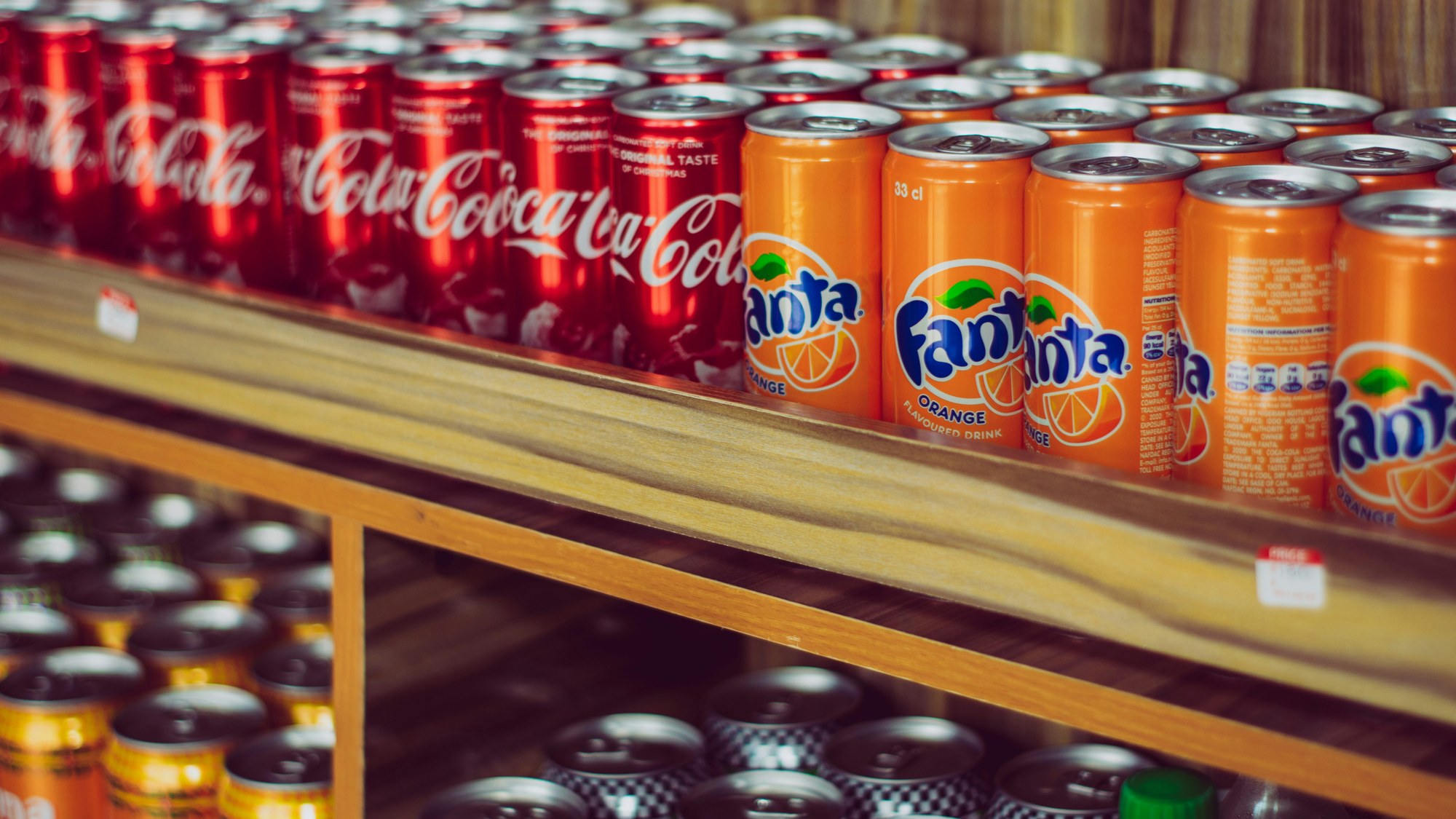
USDA’s table of SNAP food-restriction waivers now lists 23 states, and 19 of them still carry a target date for barring purchases of soda, candy or other items with food stamp benefits. A federal court vacated the approvals for the other four. The table was last updated Oct. 13.
The column is labeled “Target Implementation Date,” and that wording matters. A date on the list is a plan, not proof that a checkout lane has changed. Eight states are already past their dates. Others are weeks or years away.
The four states a court stopped
On June 22, a federal judge in Washington, D.C., ruled in Aragon v. Rollins (case 1:26-cv-00861) that USDA’s approval of these waivers be vacated and that they may not proceed. The USDA table names four rows: Colorado, Iowa, Tennessee and West Virginia.
Instead of a start date, each of those rows now says “June 22, 2026 order.” USDA’s Food and Nutrition Administration issued retailer notices on July 2 telling stores to stop implementing Iowa’s ban and to stop implementing West Virginia’s ban on soda. Households in those states face no purchase limit from these waivers.
The vacated plans were not all alike. Iowa had sought to bar all taxable food items under its revenue department’s definitions, a far broader list than most states. Tennessee’s row covers processed foods and beverages such as soda, energy drinks and candy, while Colorado and West Virginia’s rows list soft drinks and soda. All four now show the court order where a date would be.
Anyone on SNAP in one of the other 19 states needs to know which date belongs to their state, and whether it has already passed. Those dates are not all the same, and the items covered differ from state to state. A household that shops for a grandchild’s snacks or a diabetic-friendly drink may find a different list of barred items than a neighbor one state over.
What changed this year: Social Security and Medicare change every year, and nobody sends you a memo. The Retirement Money Brief breaks down what changed and what to do.
Get the Retirement Money Brief →
We may earn a commission from links on this page.
The 19 states that keep a target date
Eight states have target dates that have already passed, according to the same USDA table:
- Indiana and Utah: Jan. 1, 2026 (soft drinks; Indiana also candy)
- Idaho and Oklahoma: Feb. 15, 2026 (soda or soft drinks, and candy)
- Louisiana: Feb. 18, 2026 (soft drinks, energy drinks, candy)
- Texas: April 1, 2026 (sweetened drinks, candy)
- Florida: April 20, 2026 (soda, energy drinks, candy, prepared desserts)
- Arkansas: July 1, 2026 (soda, energy drinks, other sweetened drinks, candy)
Four more states are set for Nov. 1, 2026: Montana, North Dakota, South Carolina and Virginia. Montana’s request covers high-sugar beverages, energy drinks, candy and prepared desserts, according to USDA’s notice. Virginia’s row lists “sweetened beverages.”
That makes 12 of the 19. The other seven are further out. Nebraska is listed for Dec. 1, 2026 for soda, soft drinks and energy drinks, with candy added March 1, 2027. Wyoming is listed for Feb. 1, 2027. Kansas and Missouri are listed for Feb. 15, 2027. Hawaii and Ohio are listed for April 1, 2027. Nevada is last, at Feb. 1, 2028.
Where the list is still moving
Dates on the table have shifted before. Ohio’s September notice, which USDA published for public comment, sought an Oct. 1, 2026 start for sugar-sweetened beverages, with fountain drinks added at the state’s request on June 12. The table now shows April 1, 2027.
Nebraska is the clearest open case. USDA’s Oct. 2 notice says Nebraska’s earlier project was among those vacated in Aragon v. Rollins, and that the state filed a new request on Sept. 1. USDA has not approved it. Written comments are due Nov. 2 through Regulations.gov, and Shiela Corley, acting FNA administrator, is the listed contact. Nebraska still appears in the table with its Dec. 1 date and no court note, so the 19-state count follows the table as USDA posts it.
USDA also keeps a separate page of clarifications on food restriction waivers and retailer compliance, updated Sept. 10, for stores that have to program the rules into their registers.
Checking one state’s date
The free official route is USDA’s SNAP food restriction waivers page. It shows each state’s restricted items and target date side by side. State SNAP offices post their own notices to households as a start date nears.
Benefit amounts do not change under these waivers. What changes is what the card can buy at the register. Households in Montana, North Dakota, South Carolina and Virginia have the nearest change, only days away. Everyone else on the list is either already living under a limit or waiting on a later date that could still move.
Is a SNAP household’s state on the list?
The count to remember is 23 rows, four vacated, 19 with a target date. For a household in one of the 19, the open question is simple: has the date passed, and which items does the state cover? For a household in Colorado, Iowa, Tennessee or West Virginia, the court order is what stands today.
Shopping with SNAP before the next state date?
Purchase limits are phasing in on different dates in different states, and a household that loses track of one rule often loses track of a renewal or reporting deadline too. A missed recertification date can interrupt benefits no matter what the card can buy.
The SNAP & Medicaid Renewal Organizer includes 51 state packs and a renewal and reporting calendar, so each household’s dates sit in one place. Its contents also cover a renewal document checklist and the SNAP work-rule time limit and who is exempt.
Get the SNAP renewal and reporting calendar organizer for a state’s rules →
More Financial Reading
- 21 Ways to Stretch a $2,087 Social Security Check
- 15 Places to Find Your Share of the $4.25 Billion States Give Back
- 17 Medicare Money Moves Now That Part D Caps at $2,400
This article was produced with AI assistance and edited for accuracy against the sources linked above.