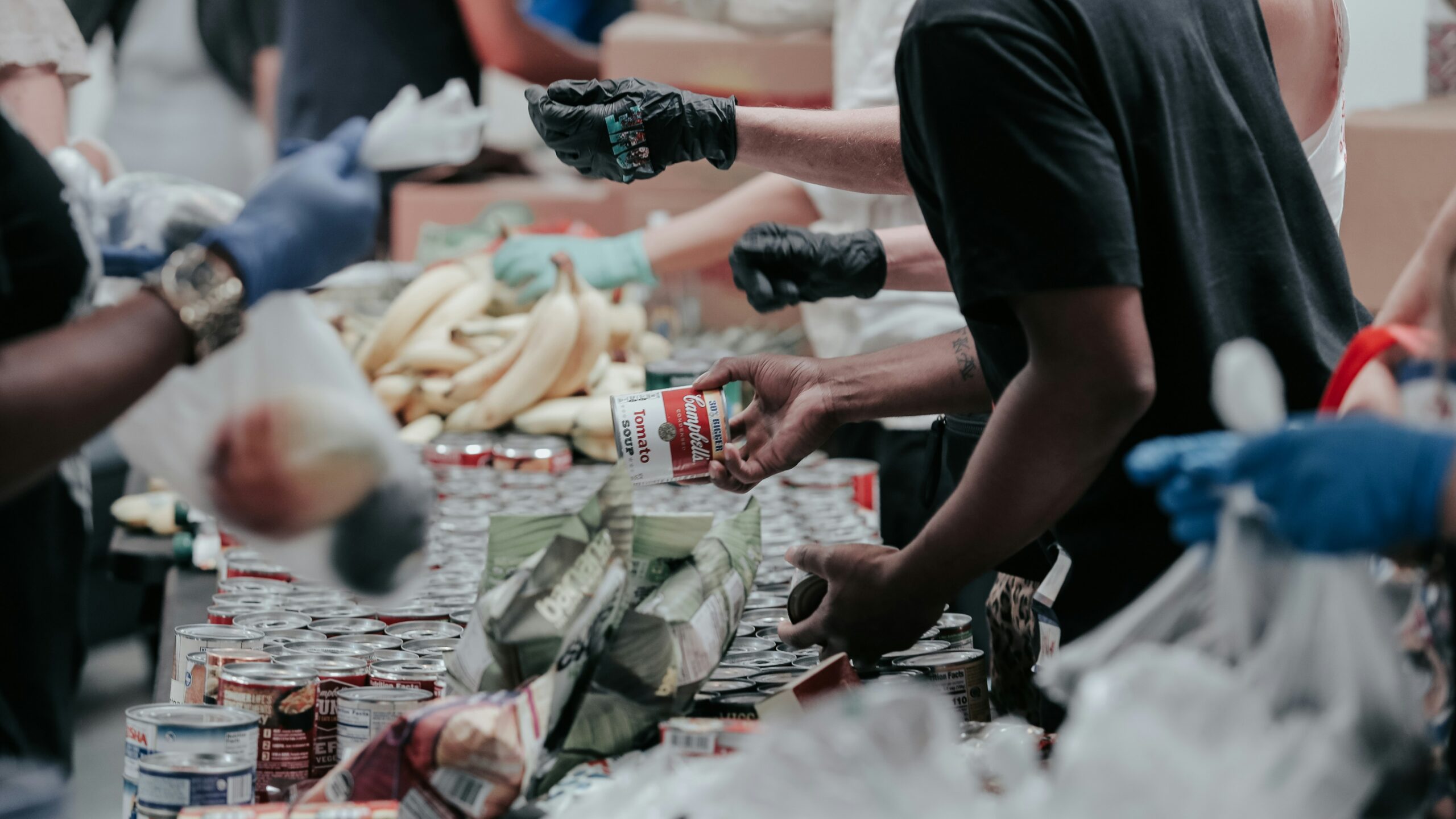
Kansas households on SNAP, the program still called food stamps, will no longer be able to buy candy or soft drinks with their benefits starting February 15, 2027. That is the target implementation date USDA lists for Kansas in its table of SNAP food restriction waivers, updated October 13, 2026. The Kansas row reads simply: “Restricts candy and soft drinks.”
The restriction comes from a two-year federal pilot. USDA Secretary Brooke L. Rollins signed the approval letter on March 4, 2026, addressed to Gov. Laura Kelly and Laura Howard, who heads the Kansas Department for Children and Families (DCF). Kansas had asked for the waiver on May 5, 2025. The approval runs two years from the February 15, 2027 start.
The change reaches every Kansas household that gets SNAP Food Assistance or SUN Bucks, the summer food benefit for children. Anyone who relies on these benefits for groceries should expect certain items to be turned away at the register. Benefit amounts and eligibility do not change, but renewal and reporting dates still apply, and a household that misses one can lose the whole benefit, not just the candy.
Retirement deadlines, in your inbox: Miss an enrollment or claim deadline and the money can be gone. Join the Retirement Money Brief and we’ll send you our 2026 Government Check Reality Tracker as a welcome gift.
Get the Brief + the check tracker →
We may earn a commission from links on this page.
What counts as candy
Kansas DCF’s waiver summary cites state law for its definitions. Candy is sugar, honey or another natural or artificial sweetener combined with chocolate, fruits, nuts or other ingredients or flavorings, sold as bars, drops or pieces.
There is one carve-out. Preparations that contain flour and need no refrigeration are not candy under the definition. A cookie or snack cake, in other words, is not treated as a candy bar.
What counts as a soft drink
A soft drink is any nonalcoholic beverage that contains natural or artificial sweeteners. Two kinds of drinks are excluded from that definition. One is any drink made with milk or milk products, soy, rice or similar milk substitutes. The other is any beverage that is more than 50 percent vegetable or fruit juice by volume.
So flavored soda and sweetened drinks fall under the limit, while chocolate milk, soy milk and mostly-juice drinks do not. Healthy staples stay eligible, DCF says, including fruits, vegetables, grains, meat, dairy, and seeds and plants for growing food at home.
Who the limit reaches at the register
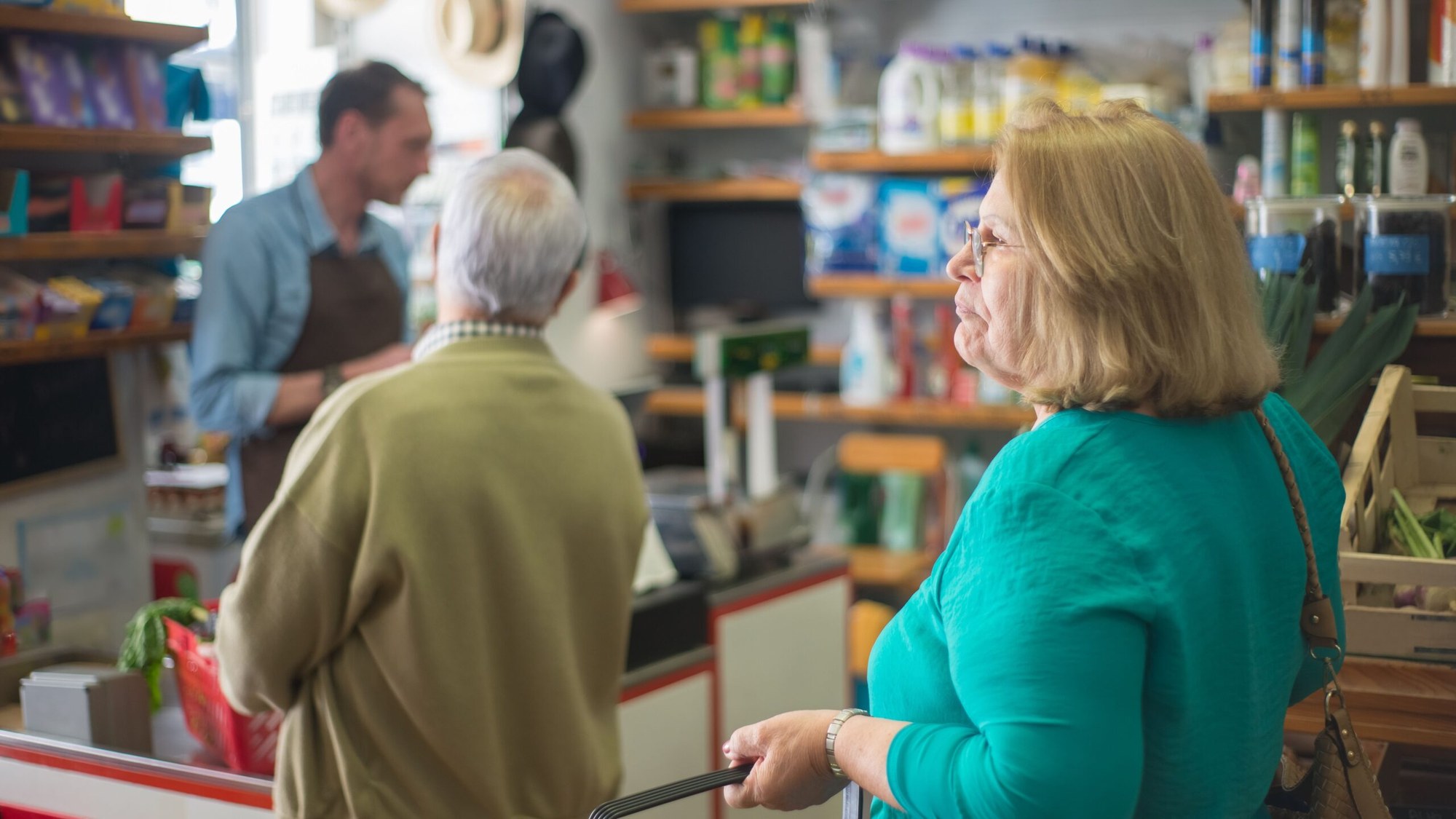
DCF says retailer participation is mandatory and that “no SNAP household may opt out.” Stores will update their systems. If a restricted item is in the cart, the system will prompt the shopper to pay for it another way, such as cash or a debit card. Some stores may also post signs.
The limit covers more than Kansas residents. SNAP recipients from other states who shop at Kansas stores cannot buy candy or soft drinks with their benefits there, and online orders from Kansas retailers are covered too. A Kansas household shopping in another state follows that state’s rules instead.
Is the date firm, and could a court stop it
A federal court has already stopped some of these waivers. On June 22, 2026, the U.S. District Court for the District of Columbia ordered approvals vacated in Aragon et al. v. Rollins et al., case 1:26-cv-00861. USDA’s table attaches that order to four states: Colorado, Iowa, Tennessee and West Virginia. Kansas is not one of them.
The February 15 date is a target. USDA’s public notice of the Kansas request, published in the Federal Register on September 15, 2026, also gave February 15, 2027 as the requested start, with comments due by October 15. DCF itself describes the start only as “early 2027,” so the agency’s own announcements to households are the place to watch for a firm date.
What the pilot is meant to show
DCF gives the reason as improving health and well-being by supporting access to nutritious food. The waiver is a test, not a permanent rule. It lasts two years, and the state may ask for an extension. USDA’s Food and Nutrition Administration says it will study the effects on both SNAP participants and retailers, which is why Kansas must file regular reports and survey recipients.
How Kansas will tell households
DCF says it will notify households through its Self-Service Portal, text and email for people who signed up for alerts, DCF Direct, and social media. Kansas must also survey SNAP recipients before and after the limit starts, and USDA will receive quarterly evaluation reports.
Questions go to DCF customer service at 1-833-765-2003 (TTY 1-785-296-1491) or benefits assistance at 1-888-369-4777. The state’s SNAP restriction page carries the full summary.
Keeping the benefit itself safe
The candy rule changes what a card can buy, not what it holds. The bigger risk for a household is a missed recertification or an unreported change, which can end benefits no matter what is in the cart. Anyone on SNAP in Kansas can use the months before the start date to find the next recertification date on their notices and put it on a calendar.
DCF says the change does not touch eligibility or benefit amounts. A household that gets the same monthly deposit today will get the same deposit after February 15. What shifts is the shopping list: sodas, sweetened drinks, chocolate and similar candy have to be paid for another way, and that is a real adjustment for people who stretch a fixed grocery budget and have relied on the card for everything in the cart.
Shopping Kansas SNAP from February 15?
A Kansas household that learns about the candy and soft drink limit at the register can easily miss the quieter deadlines behind it. A late recertification or an unreported change ends SNAP benefits entirely, and the cart rules do not pause those dates.
The SNAP & Medicaid Renewal Organizer walks through SNAP and Medicaid renewal and gives a date system so no renewal is missed. It includes 51 state packs and a renewal and reporting calendar, so a Kansas household can keep every recertification date in one place alongside the new purchase rules.
Get the Kansas renewal and reporting calendar in one organizer →
More Financial Reading
- 21 Ways to Stretch a $2,087 Social Security Check
- 15 Places to Find Your Share of the $4.25 Billion States Give Back
- 15 Steps to Stop the Scams That Took $7.7 Billion From Seniors
This article was produced with AI assistance and edited for accuracy against the sources linked above.