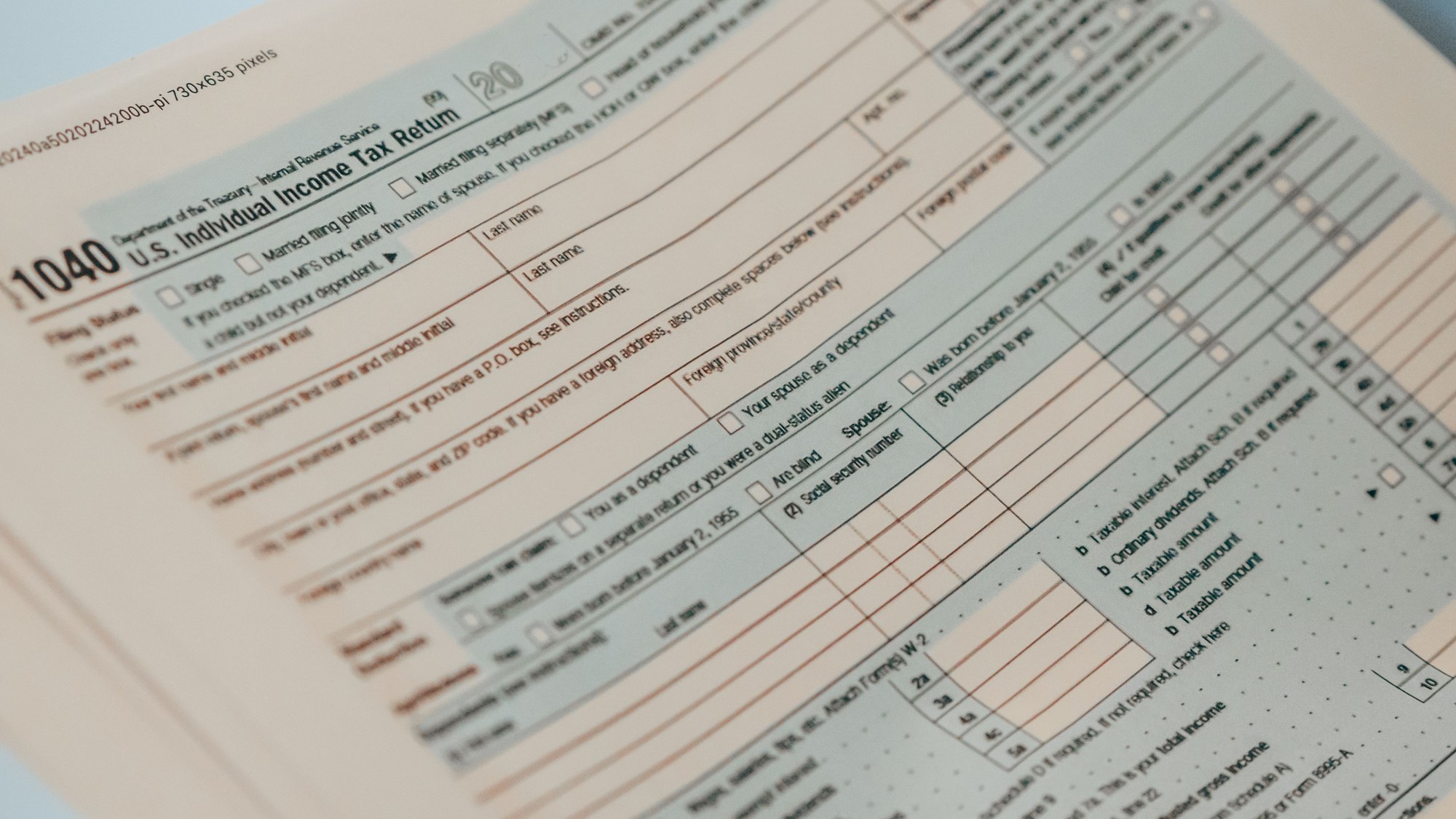
A married couple can claim the full $12,000 senior deduction on a 2026 federal return only if both spouses are 65 by Dec. 31, 2026, and the two file jointly. The Internal Revenue Service (IRS) sets the deduction at $6,000 for each qualifying person. A spouse who misses the age date, or a couple who files separately, loses part or all of the benefit.
The rule comes from the Working Families Tax Cuts law, and the IRS describes it in Publication 6142, revised in October 2026. The test date is the last day of the tax year, so for the return due next spring that date is Dec. 31.
The age test is where couples with a younger spouse run into trouble. One spouse at 67 and the other at 63 is not a $12,000 case. The deduction is counted per person, and the couple total is reached only when both qualify.
The question for a household is simple: does each spouse reach 65 by the last day of the year, and will the two file one return together? The answer can be settled before the year closes, while filing status and Social Security numbers are still easy to confirm.
Stay ahead of Social Security tax news: Miss an enrollment or claim deadline and the money can be gone. Join the Retirement Money Brief and we’ll send you our Will My Social Security Be Taxed? Worksheet as a welcome gift.
Get the Brief + the tax worksheet →
We may earn a commission from links on this page.
What the IRS says each spouse must meet
IRS Publication 6142 lists the conditions in plain terms. The taxpayer must be 65 or older by the last day of the tax year. A married taxpayer must file jointly to claim the deduction. The return must carry the Social Security number of each qualifying person.
The IRS says the deduction is available both to people who itemize and to those who take the standard deduction. It is claimed on Schedule 1-A, Part V, and carries to line 13b of Form 1040 or 1040-SR.
Which tax years carry the $6,000
The amounts are not a one-year figure. The IRS says the deduction applies from 2025 through 2028, at $6,000 per eligible person or $12,000 for a married couple when both spouses qualify. A couple therefore faces the same age and filing tests each year, with the test date moving to the final day of that year.
The 2025 version of the Schedule 1-A form shows how the age test is applied on paper. It asks whether the taxpayer or spouse was born before Jan. 2, 1961, and says a married filer must file jointly to claim the deduction.
Where income cuts the deduction
High income shrinks the deduction. The IRS says it phases out when modified adjusted gross income, the number built from a return’s income lines, passes $75,000, or $150,000 on a joint return. On the 2025 Schedule 1-A, the excess is multiplied by 6 percent and subtracted from $6,000.
For a joint return, the two spouses’ $6,000 amounts are tested against the single $150,000 line. A couple whose income sits just above it loses a small slice of the $12,000, not the whole amount.
This is not the extra standard deduction
Two senior breaks exist, and they are easy to confuse. The older one is the additional standard deduction that taxpayers 65 and over get when they take the standard deduction. The new $6,000 deduction is separate. The IRS says it comes in addition to the standard deduction for seniors under existing law.
That means a person can qualify for both, and a person who fails the new test can still receive the older add-on. The new deduction also does not exempt Social Security benefits from tax. It reduces taxable income, and the benefits are taxed under their own rules.
A couple filing separately is the clearest loser. The IRS says married taxpayers must file jointly, so separate returns forfeit the deduction for both spouses, even if each is well past 65.
Is one spouse still short of 65?
Birth dates, filing status and both Social Security numbers decide the $12,000. They are worth confirming before the year ends.
The cost of a missed detail here is real. A spouse a few months short of 65, or a mismatched Social Security number on the return, can turn a $12,000 deduction into $6,000 or nothing, and the error often surfaces only after the return is filed.
Cut Your Retirement Tax Bill: 12 Moves puts the new $6,000 senior deduction ($12,000 for a couple) for 2025 through 2028 next to the regular senior add-on that stacks on top of it. It also gives the 2026 numbers on one page, so a couple can see where each spouse stands.
Check both spouses against the Schedule 1-A senior deduction with the 12 Moves guide →
This article was produced with AI assistance and edited for accuracy against the sources linked above.