Federal prosecutors in Oregon have brought 11 new indictments over the past two months, charging that $143,000 in food-stamp benefits was stolen from the state’s EBT cards, according to KPTV in Portland. The cases sit on top of a larger loss: the federal government counts more than $3 million in food assistance stolen in Oregon since October 2024. The defendants are charged, not convicted, and every allegation below is untested in court.
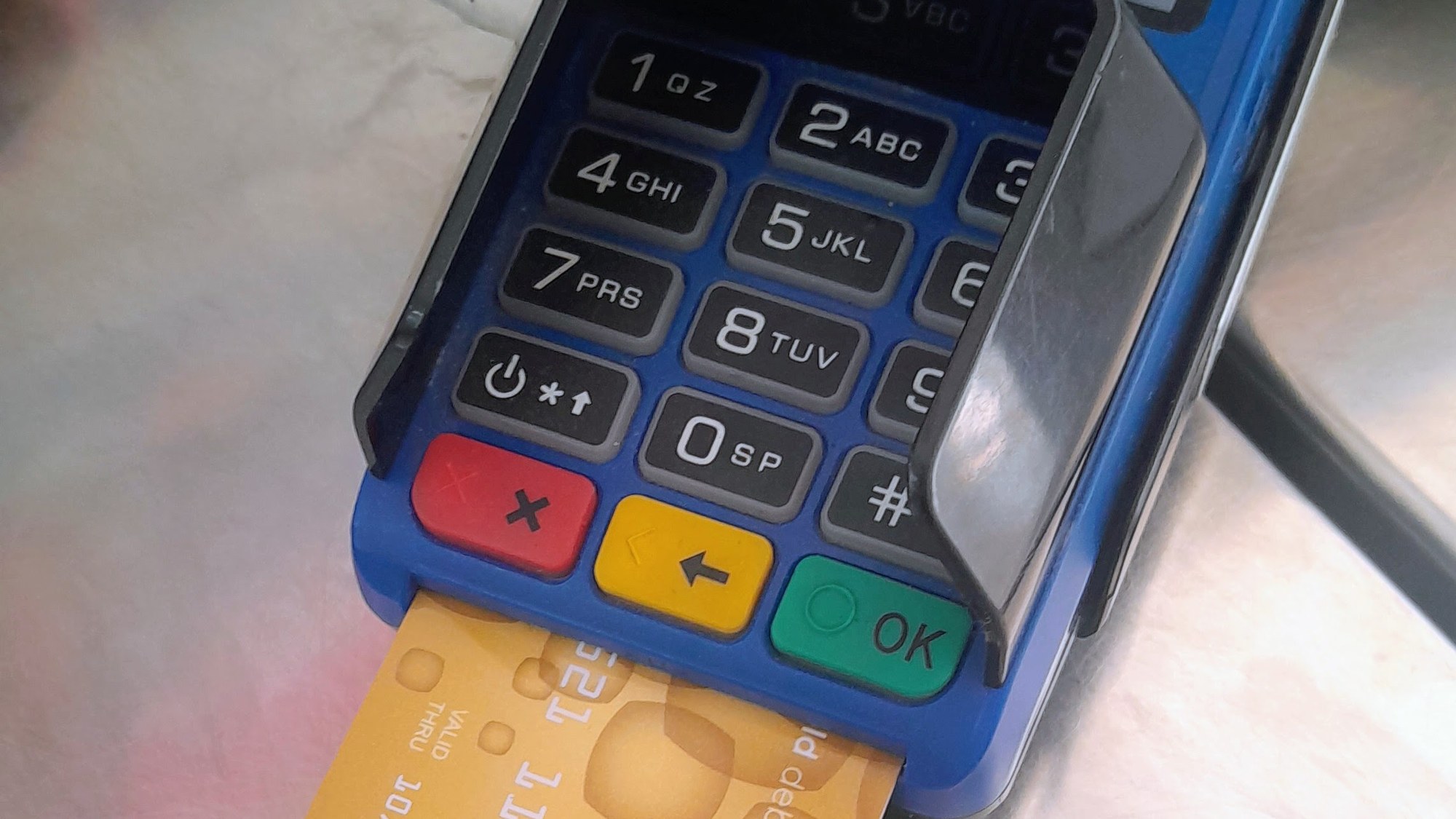
The theft works at the register. Thieves collect card data with skimming devices placed at convenience and grocery stores, then drain the account, and the cardholder finds a zero balance at the next shopping trip. Oregon’s EBT cards, which carry the Oregon Trail name, lack a chip, and the Justice Department’s lawyer in the state says that makes them easy targets.
For Oregon SNAP households, the practical question is whether the card has already been drained or copied. Anyone with an Oregon Trail card can check the balance and recent purchases against what was actually spent, change the PIN right away if a charge looks wrong, and report a suspected skimming to the local SNAP office, according to the Food and Nutrition Service, the Agriculture Department arm that runs SNAP. Simple PINs and shared card numbers make the job easier for thieves.
Retirement deadlines, in your inbox: Miss an enrollment or claim deadline and the money can be gone. Join the Retirement Money Brief and we’ll send you our SNAP Recertification & EBT Checklist as a welcome gift.
Get the Brief + the SNAP checklist →
We may earn a commission from links on this page.
Who is bringing the Oregon cases, and what they allege
Scott Bradford, whom KPTV identifies as the U.S. attorney for Oregon, said the White House directed the Justice Department to make SNAP fraud a prosecution priority. “Over the past year we have taken apart criminal operations that use skimming devices, stolen card data,” he said. He also called the schemes “organized and deliberate and widespread.”
More than two dozen people in two theft rings have been charged or sentenced so far, the station reported. The 11 new indictments are a separate count from those rings and cover a two-month window, with $143,000 in alleged stolen EBT funds across all 11. That is a slice of the whole: the first wave of schemes, uncovered in October 2024, involved $2.4 million.
Bradford said investigators are also looking at whether any stores took part. He told KPTV he is unclear whether any of the stolen money has been returned to victims, which matters for the households that lost it.
Where does the stolen benefit money go, and does a household get it back?
The stolen benefits were spent on goods such as baby formula and energy drinks, which were then sold for cash on the black market, according to the report. For a family that relies on a monthly deposit, a drained card means an empty pantry for the rest of the month. More than 700,000 Oregonians use SNAP, about 18% of the state population.
Replacement is the sore point. Congress let states use federal funds to replace stolen SNAP benefits for thefts from Oct. 1, 2022 through Dec. 20, 2024, and the Department of Agriculture’s Food and Nutrition Service sent states a memo on the sunset of that replacement, effective Dec. 21, 2024. Under that authority, a replacement could not exceed the amount actually stolen or the household’s allotment for the two months before the theft, whichever was less.
Nothing in the federal guidance or in the Oregon reporting describes a replacement program for thefts after the December 2024 cutoff. The $143,000 in the new indictments, then, is money whose recovery depends on what investigators and courts do, not on an automatic refund.
Which Oregon numbers to call when a balance looks wrong
The federal directory entry for Oregon lists the SNAP line at 800-723-3638 and an EBT line at 888-997-4447, along with the state program’s website. The agency also warns that state agencies and EBT processors will never call or text to ask for a PIN or card number, so a message asking for one is itself a scam.
Why a chip card, and a bill from Senator Wyden, are part of the fix
The Agriculture Department describes SNAP theft as card skimming, card cloning and other scams often involving high-tech tools, and says it is working with states and with law enforcement to stop them. Its own fraud page lists rolling out chip card technology among the steps it is taking with states to modernize and strengthen the system.
In Congress, Sen. Ron Wyden has introduced a bipartisan bill that would require states to issue chipped SNAP cards, KPTV reported. Until Oregon’s cards carry chips, the exposure Bradford described stays in place at every store with a compromised card reader.
The Oregon cases also run alongside a national push. The Justice Department announced a first multi-district surge against USDA benefits and program fraud on Oct. 21, with more than 40 defendants named in 13 districts; the Oregon cases, reported the same week, involve skimmed recipient cards rather than the fake-account schemes in that announcement.
What remains open for Oregon families is how fast the next skimming case can be traced to a store, and whether any of the $143,000 or the wider $3 million ever finds its way back. Bradford said he does not know, and the guidance on replacement ended with the December 2024 cutoff.
Is the rest of the household’s money locked down?
The Oregon indictments describe thieves who never need to know a name, only a card number swiped once at the wrong register, and a household that discovers the loss late may have no replacement program to fall back on. The same pattern of silent account access hits bank logins, credit files and retirement accounts.
“Scam-Proof Your Accounts in a Weekend” turns that exposure into a weekend job: how to freeze credit at all three bureaus, free by federal law, how to lock bank logins with two-step login, alerts and a verbal password, and a family code word for fake grandchild-in-trouble calls. The 13-page guide orders its ten moves so the steps that protect the most money come first.
Get the weekend lock-down guide for credit freezes and bank-login alerts →
This article was produced with AI assistance and edited for accuracy against the sources linked above.