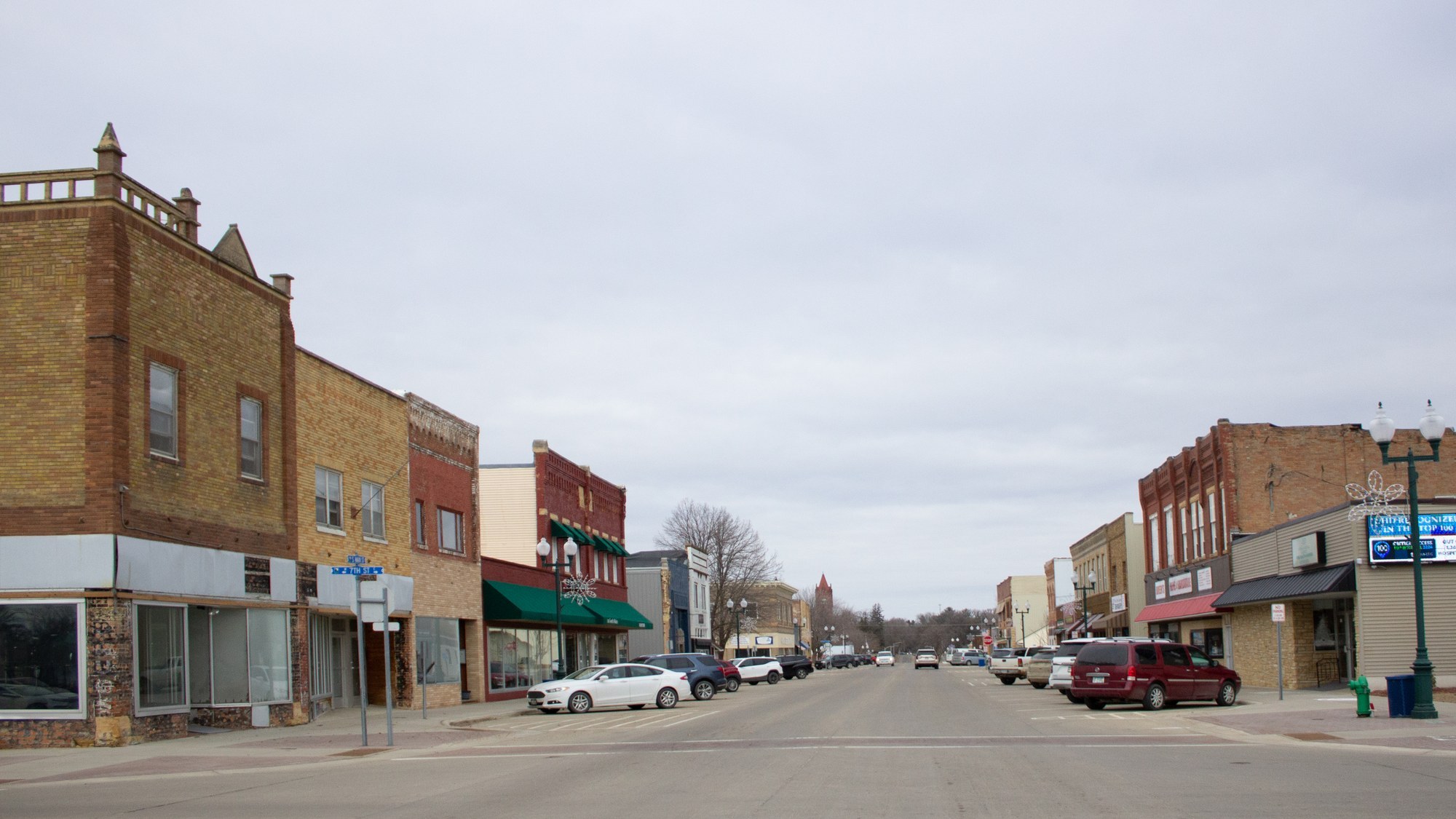
The branch office and ATM that TruNorth Bank runs at 253 Triangle Street in Amherst, Massachusetts, are scheduled to close on Sunday, Nov. 1, and the accounts held there are moving to the bank’s full-service office at 100 East Street in Hadley. The date is two days away. The bank petitioned the Massachusetts Division of Banks for permission to close, and its public notice was dated Aug. 3.
What closes Nov. 1, and what does not
Only one location is affected. TruNorth’s notice names the Amherst branch office and its ATM facility, and nothing else, so the bank’s other offices stay open. The notice says customers will have their accounts “transferred to our full-service branch office” in Hadley, Massachusetts.
Because Nov. 1 falls on a Sunday, the practical last day for anything done in person is earlier than the calendar date suggests. The notice links to an hours-and-locations page rather than listing branch hours, so anyone who plans a final visit should confirm the schedule with the bank first. The bank lists Customer Care at 855-527-4111 and Telephone Banking at 877-372-2447.
What Amherst customers have to settle before the doors close
Customers who bank at the Triangle Street office now have one concrete job: find out what stays tied to that branch and what moves with the account. Anyone with a safe-deposit box, a cashier’s check or money order in hand, a pending in-branch loan or deposit, or a business account that depends on teller service needs an answer before Nov. 1. The notice does not address safe-deposit boxes, so the question has to go to the bank directly.
Customers who use the Amherst ATM have a second change to plan for. The ATM closes with the branch, so cash deposits and withdrawals that used to happen on Triangle Street will have to move to another machine, either at the Hadley office or at another network the card works on. Cards, checks and automatic payments are worth testing once the accounts have moved.
Retirement deadlines, in your inbox: Miss an enrollment or claim deadline and the money can be gone. Join the Retirement Money Brief and we’ll send you our Bank, Debt & Protected-Benefit Checkup as a welcome gift.
Get the Brief + the bank checkup →
We may earn a commission from links on this page.
The state comment window has already closed
The bank’s notice tells anyone with objections or comments to write to the Commissioner of Banks at the Division of Banks, One Federal Street, Suite 710, Boston, or to email dob.comments@mass.gov. Submissions were due no later than two weeks from Aug. 3, which puts the cutoff in mid-August. With the closing two days off, that window has passed, and nothing in the bank’s Notice to Close a Branch suggests the date has moved.
That matters for expectations. A customer who dislikes the closing can still raise it with the bank, but the formal process the notice describes has run its course, and the stated closing date is Nov. 1, 2026.
What federal branch-closing rules say a bank owes its customers
Branch closings by insured banks are covered by a joint policy statement from the Federal Reserve, the Office of the Comptroller of the Currency, the Federal Deposit Insurance Corporation and the former Office of Thrift Supervision, effective in 1993 and revised in 1999. Under the interagency policy statement on branch closings, a bank must give its federal regulator notice at least 90 days before the closing date.
The same statement requires the bank to notify the branch’s customers at least 90 days ahead, either in a separate mailing or with a regular account statement. That notice must give the branch’s location and the proposed closing date, and either say where customers can be served afterward or give a phone number to find other sites. A notice must also be posted conspicuously inside the branch at least 30 days before closing, with the same information.
The statement does not cover ATMs on their own, which it treats as nonbranch facilities. Replacing a staffed branch with an ATM does trigger notice. The Aug. 3 date on TruNorth’s public notice sits exactly 90 days before Nov. 1, but the web notice is not the customer mailing or the in-branch posting, and the public page does not say when those went out.
Is a closing a good moment to check what the account costs?
A branch closure forces a decision that many customers never make on purpose: whether the account still fits. Customers who now have to drive to Hadley, or who will bank mostly by phone and app, can ask whether their current checking account carries a monthly fee, an out-of-network ATM charge or a minimum balance that made more sense when a branch was around the corner.
The call is easier with a plan for what to ask, and the closing gives a natural reason to make it, since the account is being changed whether the customer wants it or not.
Amherst customers who want the facts in writing can start with the bank’s own notice, which states the closing date, the Hadley address and the two customer phone lines. Anything not on that page, including box access and teller hours, has to come from the bank itself before Sunday.
Calling the bank before Nov. 1?
A branch closing sends customers into a phone queue with questions about boxes, fees and cards, and a call without a plan tends to end with whatever the first representative says. Amherst customers have two days, one of them a weekend, to get answers.
“101 Phone Scripts to Lower Your Bills” gives word-for-word calls for every company a household pays, including credit cards and banks: lower rates, fee refunds and no-fee accounts. A call log in the back records who was spoken to, what was saved and the reference number.
Get the 101 phone scripts, bank fee-refund calls included →
This article was produced with AI assistance and edited for accuracy against the sources linked above.