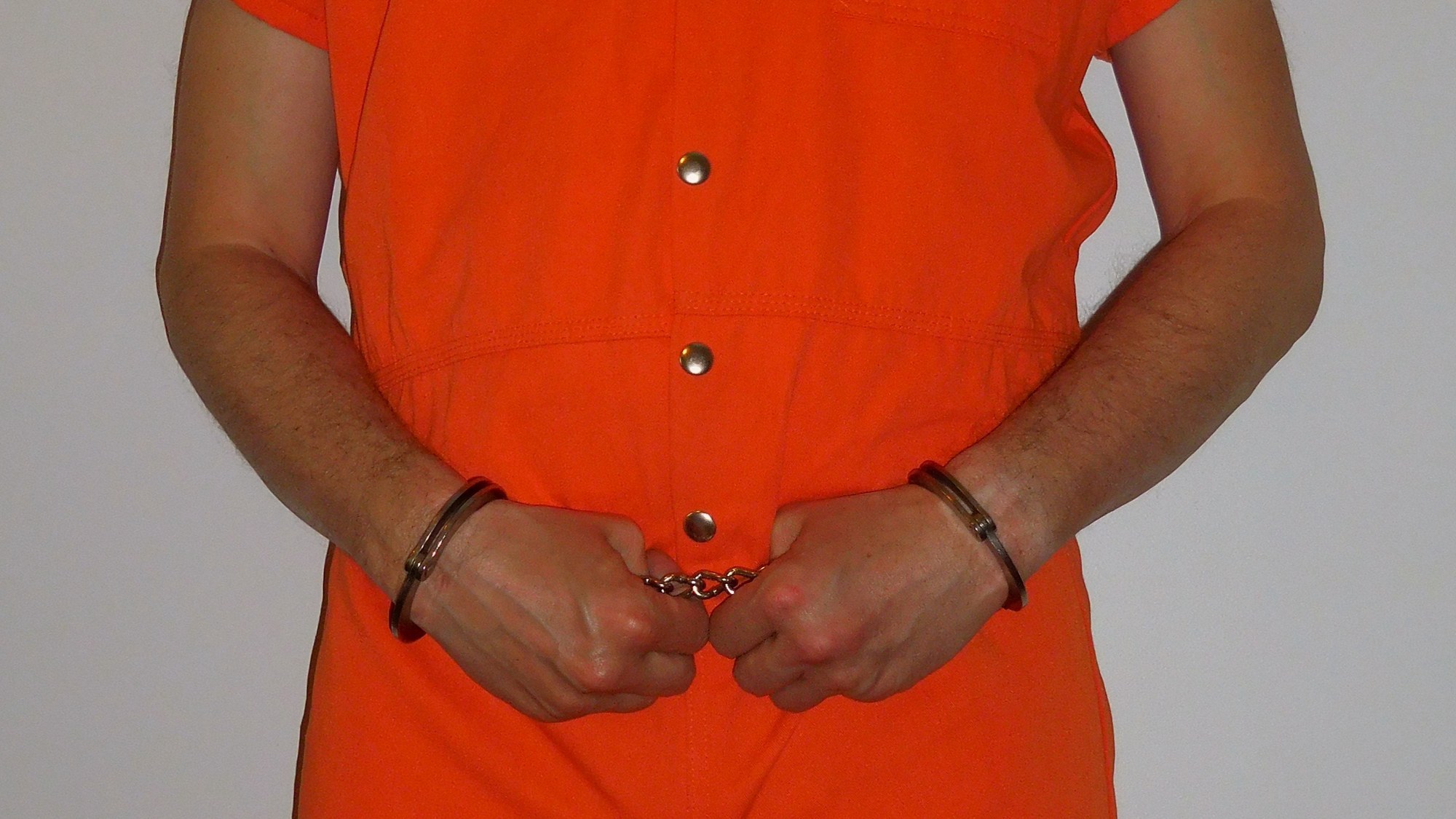
Mark Frisbie, who grew bell peppers and tomatoes in Florida, pleaded guilty on Sept. 29, 2026 to submitting a false crop-insurance claim and has agreed to pay $1,748,408 in restitution to the Federal Crop Insurance Corporation. He has not been sentenced. A sentencing hearing is set for Jan. 11, 2027 in the U.S. District Court for the Middle District of Florida.
The legal posture matters here. This is a criminal case that ended in a guilty plea, not a civil settlement, and the $1,748,408 is restitution Frisbie has agreed to pay, not a sum a judge has yet imposed in a sentence. A plea is an admission of guilt; a sentence, and any final restitution order, comes later.
What did the Florida grower admit to the court?
According to the U.S. Attorney’s Office for the Middle District of Florida, Frisbie admitted that from 2019 to 2024 he knowingly signed and certified numerous false crop-insurance claims that underreported his actual crop production. He acknowledged growing and selling more than $6.8 million in bell peppers and tomatoes, while reporting sales of less than $800,000 for crop-insurance purposes.
The government says it paid more than $1.7 million in crop-insurance indemnities that it otherwise would not have paid. An indemnity is the payout an insured farmer receives after a covered loss. The release says Frisbie has agreed to repay the Federal Crop Insurance Corporation, known as FCIC, $1,748,408.
The same release says he has agreed to pay a second sum, $1,506,992.26, to the Farm Service Agency, the USDA branch that runs farm aid programs. That money relates to fraud against the Coronavirus Food Assistance Program and the Emergency Relief Program. It is a separate figure from the crop-insurance repayment, and the release does not combine the two.
Two groups have a stake in a case like this. Farmers who buy crop insurance depend on a program whose payouts rest on the production they report, and taxpayers carry the premium subsidies behind every policy. What each can check is the court docket for United States v. Mark Frisbie, No. 2:26-cr-00251, where the Jan. 11 sentencing will show whether the agreed $1,748,408 becomes a court order.
Retirement deadlines, in your inbox: Miss an enrollment or claim deadline and the money can be gone. Join the Retirement Money Brief and we’ll send you our Scam & Identity-Theft Action Card as a welcome gift.
Get the Brief + the scam action card →
We may earn a commission from links on this page.
What is the federal crop insurance program that was billed?
Taxpayers are partners in every policy. The USDA Economic Research Service says the USDA’s Risk Management Agency oversees the Federal Crop Insurance Program, while private companies called Approved Insurance Providers sell and service the policies. The federal government subsidizes both the premiums farmers pay and the companies’ expenses.
Those subsidies are the program’s largest cost: the Economic Research Service reports premium subsidies totaled $10.4 billion for 2024. Total outlays, which add delivery costs and underwriting gains paid to the insurers, averaged $11.7 billion a year from 2015 through 2024. Liability, the maximum the program could owe on insured crops, topped $192 billion as of 2024 across roughly 543 million insured acres.
Payouts have grown with the program. The same Economic Research Service page says annual indemnities have risen by an average of 17 percent a year since 2000, and that drought and high temperatures drove 41 percent of indemnified losses on average. Since 1997, the average loss ratio has been about 0.85, meaning indemnities of roughly 85 cents per premium dollar.
Why does underreported production inflate a payout?
Crop insurance pays on a shortfall, so the production a grower reports is the yardstick for any claim. The release describes the result in Frisbie’s case: the government paid more than $1.7 million in indemnities it says it would not have paid had his production been reported accurately.
The gap the release lays out is stark. Frisbie admitted growing and selling more than $6.8 million in bell peppers and tomatoes over the period while reporting less than $800,000 in sales to the insurance program. The release lists his offense as submitting a false crop-insurance claim.
Where does this case sit in the USDA fraud push?
The Frisbie plea was announced as part of the Justice Department’s first National USDA Benefits and Program Fraud Enforcement Surge, which the release says began Sept. 1, 2026. Most of that effort concerns food-stamp fraud, covered separately. The crop-insurance plea stands apart as a case about a farm subsidy program, with Assistant U.S. Attorneys Chelsey Hanson and Simon Eth handling the prosecution.
Attorney General Todd Blanche is quoted in the release on the surge as a whole, saying fraud “robbed struggling Americans of the benefits they depend on.” The release does not carry a statement specific to Frisbie and does not state a maximum penalty. It also does not say which agency investigated his case, since its list of law enforcement partners covers the surge overall. What the public can follow next is the Jan. 11 hearing, where a judge will set the sentence and the restitution that goes with it.
The release states the two repayment figures, the plea date and the sentencing date, and nothing more on timing. Whether the $1,748,408 and the $1,506,992.26 are collected in full, and over what period, is a question for the Jan. 11 hearing.
Know the first hour after a scam lands?
The farm case involved a grower falsifying paperwork against a federal program, not a retiree being targeted, but the same mistakes follow most fraud: a signature, a form or a payment that looked routine until the money was gone. For people who have already been hit by a scam or identity theft, the first hours decide how much can be stopped.
The Senior Fraud Defense & First-Hour Recovery Kit is a 76-page guide built for that moment. It includes the first-hour recovery plan and a fraud evidence and report log, and its Part 3 covers reporting and what each report does.
Get the first-hour plan and the fraud report log in the Senior Fraud Defense Kit →
This article was produced with AI assistance and edited for accuracy against the sources linked above.